
Who Is Samuel in the Bible? Prophet and Judge
Samuel in the Bible was the son of Hannah and Elkanah, the boy God called while he was serving under Eli, and the prophet and judge God used to guide Israel before and during the rise of the kings. He matters because God used him at the turning point between the judges and the kings. Samuel helped lead God's people from the era of the judges into the era of Saul and David, and he did it with faithfulness, prayer, and courage.
His story is told mainly in 1 Samuel, but later parts of the Bible still remember him as a leader who called on the Lord and was heard. Samuel was not only a dramatic Bible character. He was one of the key people God used to shape Israel's spiritual life.
Who were Samuel's parents, and how was he born?
Samuel was the son of Elkanah and Hannah. His birth came after deep sorrow and answered prayer, which is one reason his story feels so personal from the very beginning.
First Samuel 1 says Hannah had no children and prayed to the Lord with great anguish. She vowed that if God gave her a son, she would give that child back to Him. God answered her prayer, and Hannah named the boy Samuel. Then, after he was weaned, she brought him to Shiloh and dedicated him to the Lord just as she had promised.
Samuel's life begins with worship, surrender, and faith. Before he ever spoke to a nation, he was a child given to God. Before he ever anointed a king, he was the answer to a mother's prayer. That early background helps explain why Samuel's story keeps returning to obedience. Parents who are praying over a child may also find help in these prayers for parents.
How did Samuel hear God's call?
Samuel grew up serving before the Lord under Eli the priest at Shiloh. First Samuel 3 says the word of the Lord was rare in those days, which makes Samuel's calling even more important. Israel needed spiritual leadership, and God raised it up through a boy who was willing to listen.
One night Samuel heard his name being called and assumed Eli was the one speaking. This happened more than once before Eli realized the Lord was calling the child. Eli told Samuel to respond if he heard the voice again, and when God called him once more, Samuel listened. From that moment on, the Bible begins to present Samuel not simply as a dedicated child, but as a true prophet who received and delivered God's word.
The scene is quiet and personal, but the message is serious. God entrusts Samuel with a hard word about judgment on Eli's house. Even in his first recorded prophetic moment, Samuel had to speak truth when it was painful.
That calling shaped the rest of his life. Scripture says all Israel came to recognize that Samuel was established as a prophet of the Lord. In other words, Samuel did not become important because of family status or political ambition. He became important because God called him and Samuel answered.

What did Samuel do in the Bible?
Samuel served Israel as a prophet, a judge, and a spiritual leader who called the people back to God. If someone asks what Samuel actually did in the Bible, the simplest answer is this: he listened to God, spoke God's word, led the people in repentance, and guided the nation during one of its most important transitions.
One of the clearest examples comes in 1 Samuel 7. Samuel called Israel to put away foreign gods and return to the Lord with all their hearts. At Mizpah, the people gathered, confessed their sin, and asked Samuel to pray for them. He did. When the Philistines threatened Israel, Samuel cried out to the Lord, and God intervened. After that victory, Samuel set up a stone and named it Ebenezer, saying in effect that the Lord had helped them that far.
That scene shows Samuel leading in public, not only speaking in private. He called for repentance. He prayed publicly. He judged Israel on a regular circuit. He helped the people remember that their real strength was not military power but the mercy of God.
That is part of why readers still return to Samuel's story. His leadership was not flashy, but it was steady. He listened first, prayed seriously, and then acted. Readers asking God for wisdom in their own decisions may find help in these prayers for guidance, these prayers for faith, and these Bible verses about wisdom.
Why did Samuel anoint Saul and then David?
Samuel's role in Israel's monarchy is one of the clearest reasons he matters. He was the prophet God used at the transition from judges to kings.
As Samuel grew older, his sons did not walk faithfully in his ways. Because of that, and because the people wanted to be like the nations around them, Israel asked for a king. Samuel was grieved by the request, but when he prayed, God told him that the people had not only rejected Samuel's leadership. They had rejected God as their king.
Even so, Samuel obeyed the Lord and anointed Saul as Israel's first king. That alone would make Samuel an important figure in Scripture. But the story did not stop there. When Saul disobeyed God, Samuel confronted him with one of the clearest lines in the Old Testament: to obey is better than sacrifice. Samuel made it plain that outward religious action cannot replace a heart that truly listens to God. If you want more background on the first king Samuel anointed, this guide on who Saul was in the Bible fits naturally here.
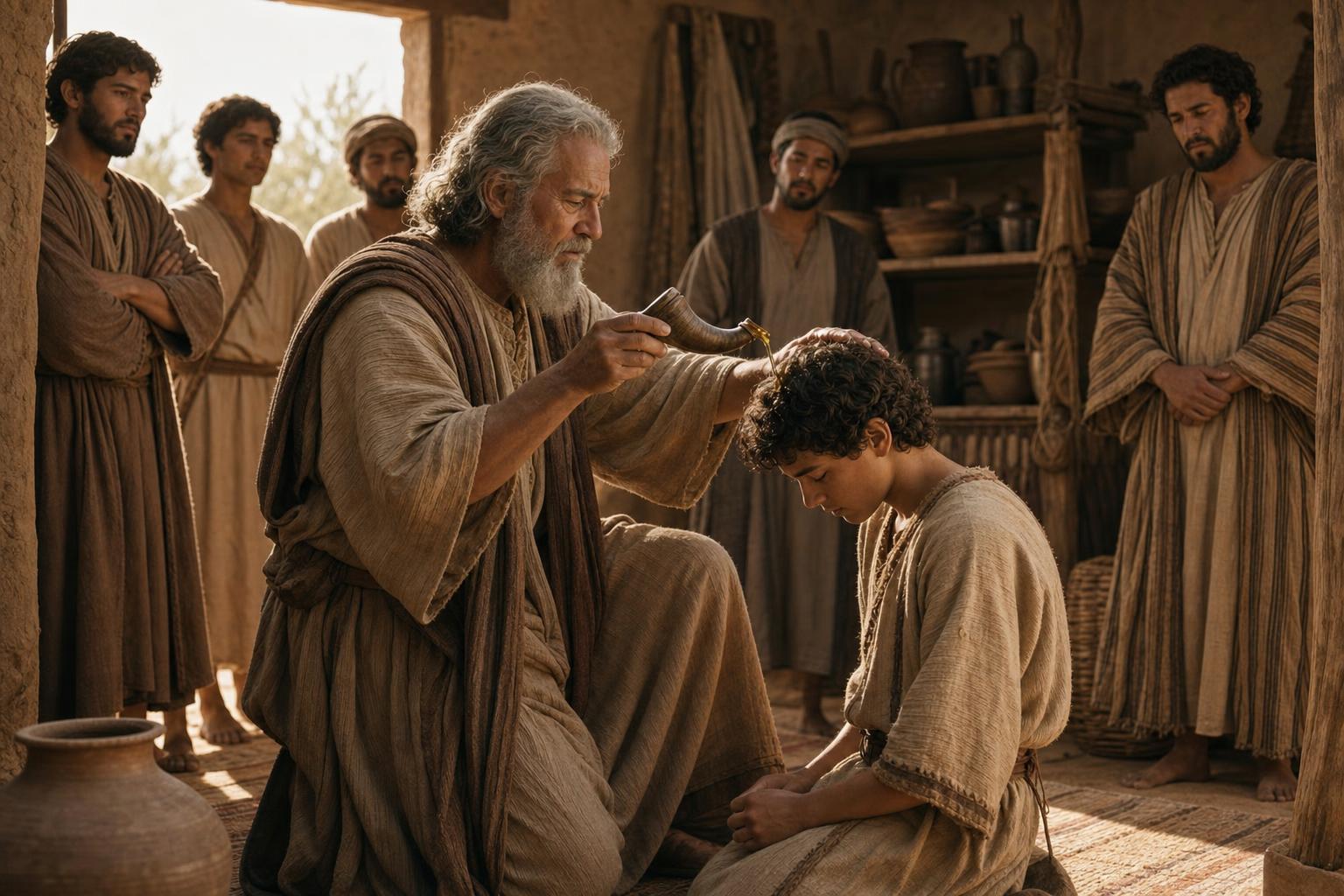
Later, when Saul was rejected, God sent Samuel to Bethlehem to anoint a new king from Jesse's family. Samuel first looked at the outward appearance of Jesse's sons, but God reminded him that the Lord looks at the heart. In time Samuel anointed David, the youngest son, and that moment helped prepare the way for the line that would shape the rest of Israel's history.
So why did Samuel anoint both Saul and David? Because God used him to lead Israel through a painful but necessary transition. Samuel obeyed God in the middle of national disappointment, political change, and personal grief. That obedience is part of what makes his life so strong.
Was Samuel a prophet, a judge, or a priest?
The clearest answer is that Samuel was a prophet and judge who also served Israel in deeply spiritual, priest-like ways.
The Bible openly presents Samuel as a prophet who heard from God and spoke His word. It also presents him as a judge who led Israel and settled matters among the people. At the same time, Samuel prayed for the nation, offered sacrifice in moments of crisis, and served as a visible spiritual leader during a time of national need.
That is why readers sometimes see multiple labels attached to Samuel. He lived in a transition period, and his ministry crossed categories that later readers often keep separate. The simplest way to say it is this: Samuel was God's prophetic voice and Israel's spiritual leader before the kingdom was firmly established.
That mix of truth-speaking, prayer, and leadership still makes Samuel's story useful for readers who want to live uprightly before God. If you want to keep reflecting on that theme, these Bible verses about righteousness are worth reading alongside Samuel's story.
Why is Samuel important in the Bible?
Samuel is important because he bridges two eras of Israel's history while staying faithful to God in both of them. He closes out the period of the judges, prepares the way for the kings, and remains loyal to the Lord through all of it.
He is also important because his life shows what faithful leadership looks like. Samuel listened when God called. He spoke the truth even when it was uncomfortable. He prayed for the people he led. He obeyed when national pressure moved in a different direction. Even when Saul failed, Samuel mourned rather than becoming cold or careless.
Later Scripture continues to honor him. Psalm 99 remembers Samuel among those who called on the Lord and were answered. Jeremiah 15 names Samuel alongside Moses as a powerful example of intercession. Acts 13 still places him in the central story of Israel's judges. And when Samuel died, 1 Samuel says all Israel gathered and mourned for him.
That does not mean every part of Samuel's life was easy. His sons did not follow his example, and that family pain became part of the national crisis around kingship. But even that detail makes Samuel's story more human, not less helpful. Faithful people can still experience grief, disappointment, and hard outcomes in their families and leadership.
The strongest lessons from Samuel's life are simple: listen when God speaks, obey even when it costs you, pray for the people in your care, and do not confuse outward religion with a surrendered heart. If you want to keep praying into those themes, these prayers for wisdom and these prayers for obedience are helpful next steps.
Key Bible passages about Samuel
If you want to study Samuel directly in Scripture, these are some of the best places to start:
- 1 Samuel 1 - Samuel's parents, Hannah's prayer, and Samuel's dedication to the Lord.
- 1 Samuel 3 - God calls Samuel while he is serving under Eli.
- 1 Samuel 7 - Samuel leads Israel in repentance, prayer, and victory over the Philistines.
- 1 Samuel 8 - Israel asks for a king, and Samuel warns them about what that choice will mean.
- 1 Samuel 10 - Samuel anoints Saul as Israel's first king.
- 1 Samuel 15 - Samuel confronts Saul and says obedience is better than sacrifice.
- 1 Samuel 16 - Samuel anoints David in Bethlehem.
- 1 Samuel 25:1 - Samuel dies, and all Israel mourns for him.
- Psalm 99:6 - Samuel is remembered as one who called on the Lord.
- Acts 13:20 - Samuel is named in the storyline of Israel's judges.
A short prayer for obedience and discernment
Lord, give me a listening heart like Samuel's. Teach me to hear Your voice above fear, noise, and pressure. Help me obey You quickly, speak truth with courage, and lead with prayer instead of pride. Give me wisdom when decisions are hard and faithfulness when the road is long. In Jesus' name, amen.

