
Who Are the Gentiles in the Bible? Meaning and Role
Gentiles in the Bible are the nations or people who are not Jews. In plain English, the term usually means non-Jews, especially when Scripture is contrasting Israel with the surrounding nations. That matters because the Bible does not bring up the Gentiles as a side issue. From God's promise to Abraham to the mission of Jesus and the early church, the Gentiles help show that God's saving plan reaches beyond one nation to all nations.
Many readers hear the word Gentiles and assume it always means enemies, pagans, or outsiders that God has no interest in. The Bible is more careful than that. In some passages the term does point to nations that oppose Israel or worship false gods. But the word itself is broader than an insult. It names the peoples outside Israel, and then the larger biblical story shows how those peoples are not forgotten in God's purposes.
What does Gentile mean in the Bible?
The simplest answer is that a Gentile is a person who is not Jewish. In the Bible's world, that usually means someone who is not part of Israel, the covenant nation that came from Abraham, Isaac, and Jacob. If you need the Israel side of that contrast first, it helps to see who the Israelites were. Once that contrast is clear, the term Gentiles becomes much easier to follow.
Under the surface, the language is a little broader. The Hebrew and Greek words behind Gentile can also mean nations or peoples. That is why some passages sound neutral and others sound sharp. Sometimes Scripture is simply describing the nations outside Israel. Other times it is describing nations that are hostile to God's people or committed to idolatry. The context decides the tone, but the basic identity contrast stays the same.
That is also why the question cannot be answered with a one-word definition alone. A Gentile is not just a dictionary entry. In the Bible, the term sits inside the covenant story. It tells you who is inside Israel's national line and who belongs to the surrounding nations, and then it forces you to ask how those nations relate to God's promises.
How does the Old Testament talk about the Gentiles?
In the Old Testament, Gentiles are usually the nations outside Israel. Israel is set apart by God's covenant, so the surrounding peoples are naturally described as the nations. That is the background behind pages like Israel being chosen. The Bible is not saying every non-Israelite person is identical. It is marking out the difference between God's covenant nation and the peoples around it.
Because many of those surrounding nations worshiped other gods or opposed Israel, the word Gentiles can sound negative in context. That is one reason modern readers sometimes think Gentile automatically means bad. But the Old Testament is doing two things at once. It is preserving Israel's distinct calling, and it is also preparing readers to see that God's purposes do not end with Israel alone.
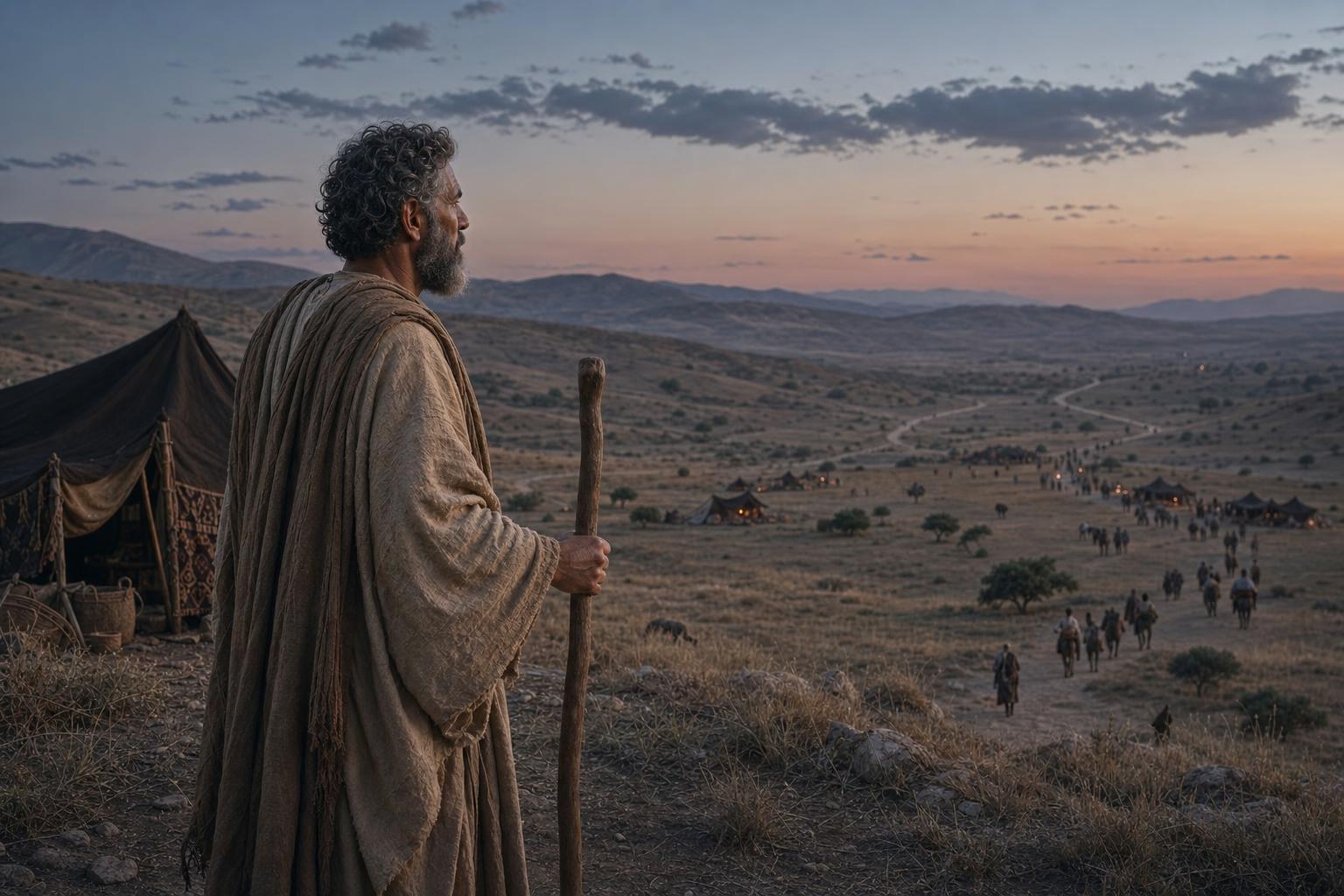
Genesis 12 is one of the clearest examples. When God calls Abram, He promises not only to make him into a great nation, but also to bless all the families of the earth through him. Isaiah 49 makes the same point from another angle when God's servant is called a light to the nations so salvation can reach the ends of the earth. So the Old Testament does distinguish Israel from the Gentiles, but it never treats the Gentiles as beyond God's concern.
What changes for the Gentiles in the New Testament?
The New Testament makes the Gentile question much more visible because Jesus, the apostles, and the early church openly deal with it. Jesus' earthly ministry stays closely tied to Israel, which is important to remember. He did not act as if Israel's story no longer mattered. But after His resurrection, the mission becomes explicit: the disciples are sent to make disciples of all nations.
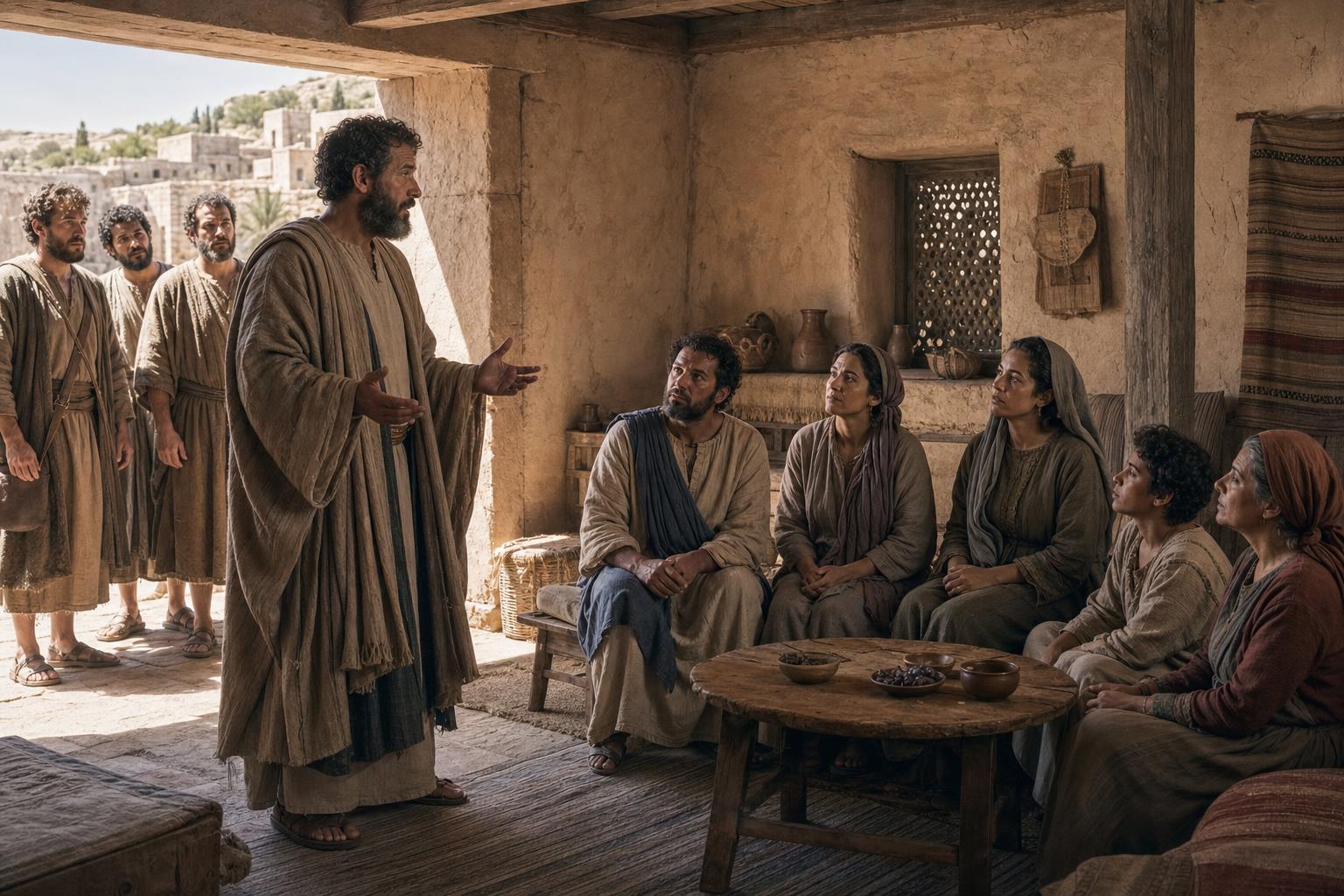
Acts 10 is one of the biggest turning points. Peter meets Cornelius and realizes that God shows no favoritism, but accepts people from every nation who fear Him and receive His word. That is why Gentiles being saved is such a natural companion topic for this article. The issue is no longer abstract. The early church now has to face the fact that Gentiles are coming to faith in Christ.
Acts 15 pushes the question even further. The church has to decide whether Gentiles must first become Jews in order to belong fully among God's people. The answer is no. Peter says God made no distinction between Jewish and Gentile believers, cleansing their hearts by faith. Paul then spends much of his ministry explaining this same reality. The Gentiles are not welcomed because Israel failed and had to be discarded. They are welcomed because God's promise was always bigger than one nation.
Are Gentiles outside God's plan of salvation?
No. The Bible's answer is that Gentiles are not outside God's plan of salvation. In fact, the promise that the nations would be blessed runs from Abraham all the way to the gospel. Romans 1:16 says the good news is the power of God for salvation to everyone who believes, first to the Jew and also to the Greek. That short line preserves the historic priority of Israel in the story while making clear that salvation is not locked inside one ethnicity.
Ephesians 2 says even more. Gentiles were once far off, alienated from the commonwealth of Israel and strangers to the covenants of promise. But now, in Christ, those who were far off have been brought near. Christ breaks down the dividing wall and makes peace. That does not erase Israel from the Bible. It means Gentiles are not second-class people who must stay at a distance from God's mercy.
That is why it makes sense to connect this theme with salvation and faith. The New Testament does not teach that Gentiles are saved by a different path, a lower promise, or a temporary exception. The same Christ is offered to Jew and Gentile alike, and the same grace brings both near.
Are Christians Gentiles today?
This is one of the most common follow-up questions, and the clearest answer is: many Christians are still Gentiles today if they are not ethnically Jewish. Becoming a Christian does not automatically make a non-Jewish person ethnically Jewish. In that ordinary sense, yes, many Christians are Gentiles.
At the same time, the New Testament does not leave the matter there. In Christ, Jew and Gentile do not stand before God with different levels of worth or access. Galatians 3:28 says there is neither Jew nor Greek in the sense of spiritual status and inheritance in Christ. That verse is not denying that those categories exist in ordinary life. It is saying they do not divide believers into higher and lower classes before God.
So if someone asks, Are Christians Gentiles, the careful answer is that many are ethnically Gentile, but the church itself is not a Gentile-only people. It is a body made of Jewish and Gentile believers together. That is why the New Testament keeps both truths in place: distinction in history, unity in Christ.
Why do the Gentiles matter in the Bible?
The Gentiles matter in the Bible because they show the full reach of God's plan. Without the Gentiles, the story could sound like it ends with one family line and one nation. But the Bible keeps widening the horizon. The promise to Abraham points outward. Isaiah points outward. Jesus' commission points outward. Acts and the letters show that outward movement happening in real time.
This matters for readers today because most Bible readers who are not ethnically Jewish are reading the story as part of the nations God intended to bless. The Gentiles are not a footnote attached to the edge of the Bible. They are a reminder that God's mercy was always headed farther than many people expected.
That is also why the topic should be handled with humility. The point is not to flatten Israel and the nations into one blur, or to turn the page into an argument about who replaced whom. The point is to read the Bible's own emphasis clearly: the God of Israel is bringing salvation to the nations through the Messiah.
Key Bible passages about the Gentiles
If you want to study this topic for yourself, these passages are a strong place to start:
- Genesis 12:1-3 - God calls Abram and promises blessing that will reach all the families of the earth.
- Isaiah 49:6 - God's servant is called a light to the nations so salvation reaches the ends of the earth.
- Matthew 28:18-20 - Jesus sends His disciples to make disciples of all nations.
- Acts 10:34-35 - Peter says God shows no favoritism and accepts people from every nation.
- Acts 15:7-11 - the Jerusalem Council says God made no distinction between Jewish and Gentile believers, cleansing hearts by faith.
- Romans 1:16 - the gospel is for everyone who believes, first to the Jew and also to the Greek.
- Ephesians 2:11-22 - Gentiles who were far off are brought near in Christ, who makes peace.
- Galatians 3:28 - Jew and Greek share equal standing in Christ Jesus.
A short prayer inspired by this theme
Lord, thank You that Your mercy is bigger than one people, one background, or one nation. Thank You for bringing near those who were far off and for offering salvation through Jesus to all who believe. Give me humility, stronger faith, and a heart that cares about the people You care about. Help me rest in Your grace and point others toward salvation. In Jesus' name, amen.

