
Who Is Jeremiah in the Bible? Prophet and Message
Jeremiah in the Bible was a priest from Anathoth whom God called to be a prophet to Judah during the years leading up to Jerusalem's fall. He spent decades warning God's people to repent, suffered deeply for telling the truth, and delivered both hard words of judgment and one of the Bible's clearest promises of future hope.
That means Jeremiah is not remembered only for sorrow. Scripture presents him as a faithful messenger in a collapsing nation, a man who grieved for his people, and a prophet whose message still matters because it holds together repentance, endurance, and the promise of a new covenant.
Who was Jeremiah in the Bible?
Jeremiah was the son of Hilkiah and came from Anathoth in the territory of Benjamin (Jeremiah 1:1). He belonged to a priestly background, but God called him into a prophetic role during one of Judah's darkest periods.
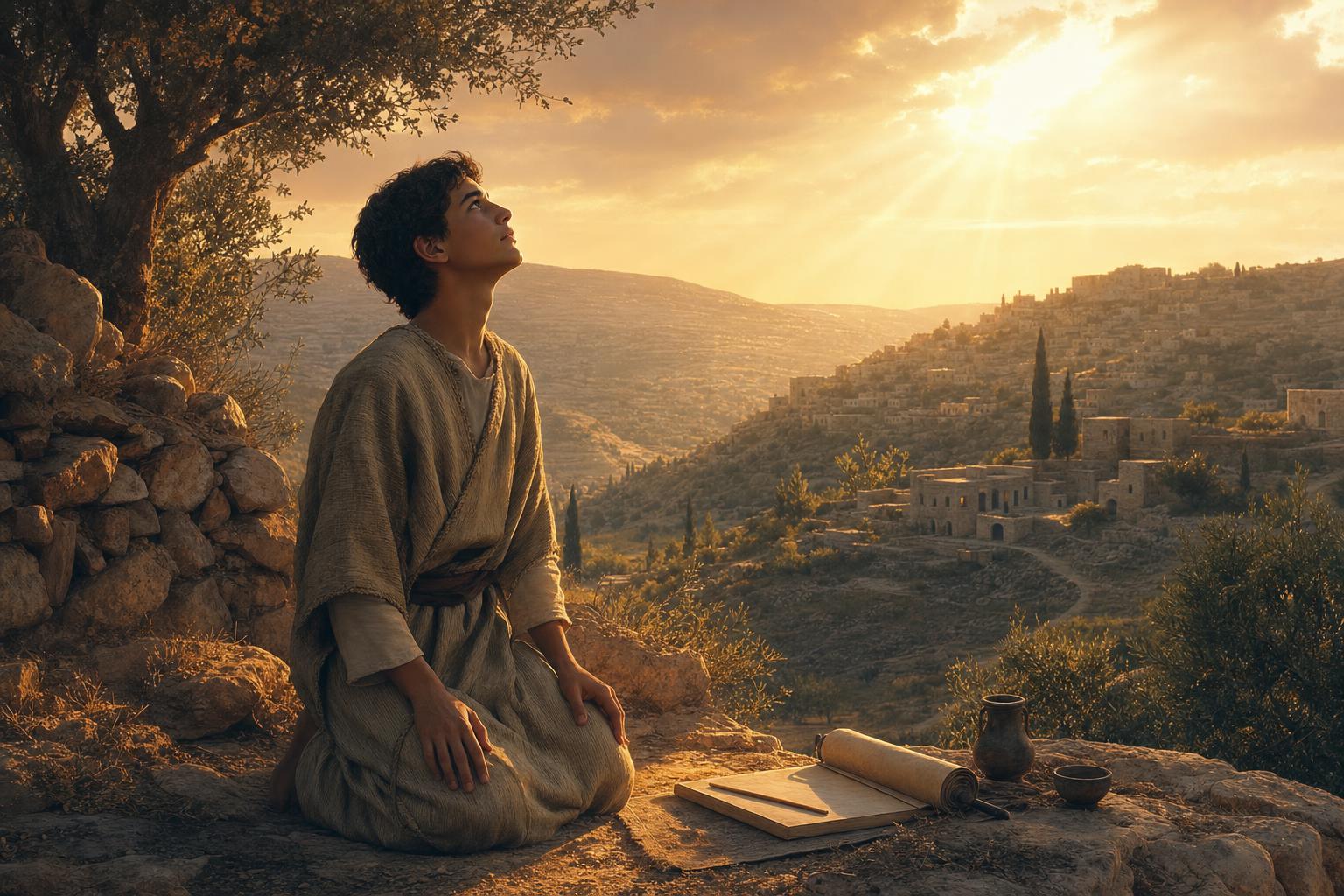
Jeremiah 1 says the word of the Lord came to him in the thirteenth year of King Josiah. When God told him that he had been appointed as a prophet to the nations, Jeremiah objected that he was too young and did not know how to speak. God answered by telling him not to be afraid, touching his mouth, and putting His words there.
That calling scene is the clearest place to start if you are asking who Jeremiah was. He was not a political commentator or a court advisor who happened to be religious. He was a prophet God personally appointed to speak into Judah's final years before exile.
When did Jeremiah live and what was happening in Judah?
Jeremiah lived in the final generation before Jerusalem fell to Babylon. His ministry stretched from the reign of Josiah through the reigns that followed, down to the destruction of Jerusalem and the exile of the people.
That historical setting explains why Jeremiah's book feels so urgent. Judah was not in a peaceful season. The nation was spiritually compromised, politically unstable, and moving toward judgment. Even when some reform happened under Josiah, it did not produce lasting heart-level faithfulness in the people as a whole.
So when Jeremiah spoke, he was speaking into a slow-motion collapse. That is one reason his message often sounds weighty and emotional. He was watching a nation refuse God's warnings while disaster drew closer.
What did Jeremiah do in the Bible?
Jeremiah preached a message Judah did not want to hear. He warned that the people's idolatry, injustice, false worship, and stubborn refusal to repent would bring Babylonian judgment on Jerusalem and the temple.
He kept calling the people back to the Lord, but he also made clear that empty religious language would not save them. Jeremiah challenged false confidence, especially the idea that the people were safe simply because they still had the temple and the outward signs of covenant life.
Jeremiah also kept speaking when leaders and listeners resisted him. His words were written down by Baruch, his scribe, and even when King Jehoiakim cut up and burned Jeremiah's scroll, the message did not disappear. Jeremiah continued to speak what God gave him to say.
If you have studied Moses, some parts of Jeremiah's calling may sound familiar. God put His words in Jeremiah's mouth and sent him to speak to a resistant people. But Jeremiah's work came later, when Judah was already heading toward the breaking point.
Why is Jeremiah called the weeping prophet?
Jeremiah is often called the weeping prophet because of the grief that runs through his life and message. The Bible does not use that exact title as a formal label, but it fits the emotional weight of the book.
Jeremiah did not speak about judgment from a distance. He felt the pain of what was coming. In passages such as Jeremiah 8:21 and 9:1, his sorrow for Judah comes through clearly. He knew the people were rebelling against God, but he also knew the coming consequences would be devastating.
That combination matters. Jeremiah was not cold, bitter, or eager to watch people suffer. He was heartbroken that the people would not turn back. The nickname stuck because readers could see both his faithfulness and his tears.
There is also a practical lesson here for anyone trying to practice biblical discernment. Real truth-telling is not harshness for its own sake. Jeremiah shows that you can speak hard truth while still grieving over sin and longing for restoration.
What happened to Jeremiah in the Bible?
Jeremiah's ministry was costly. He faced ridicule, opposition, threats, and imprisonment because the people and leaders did not want his message.
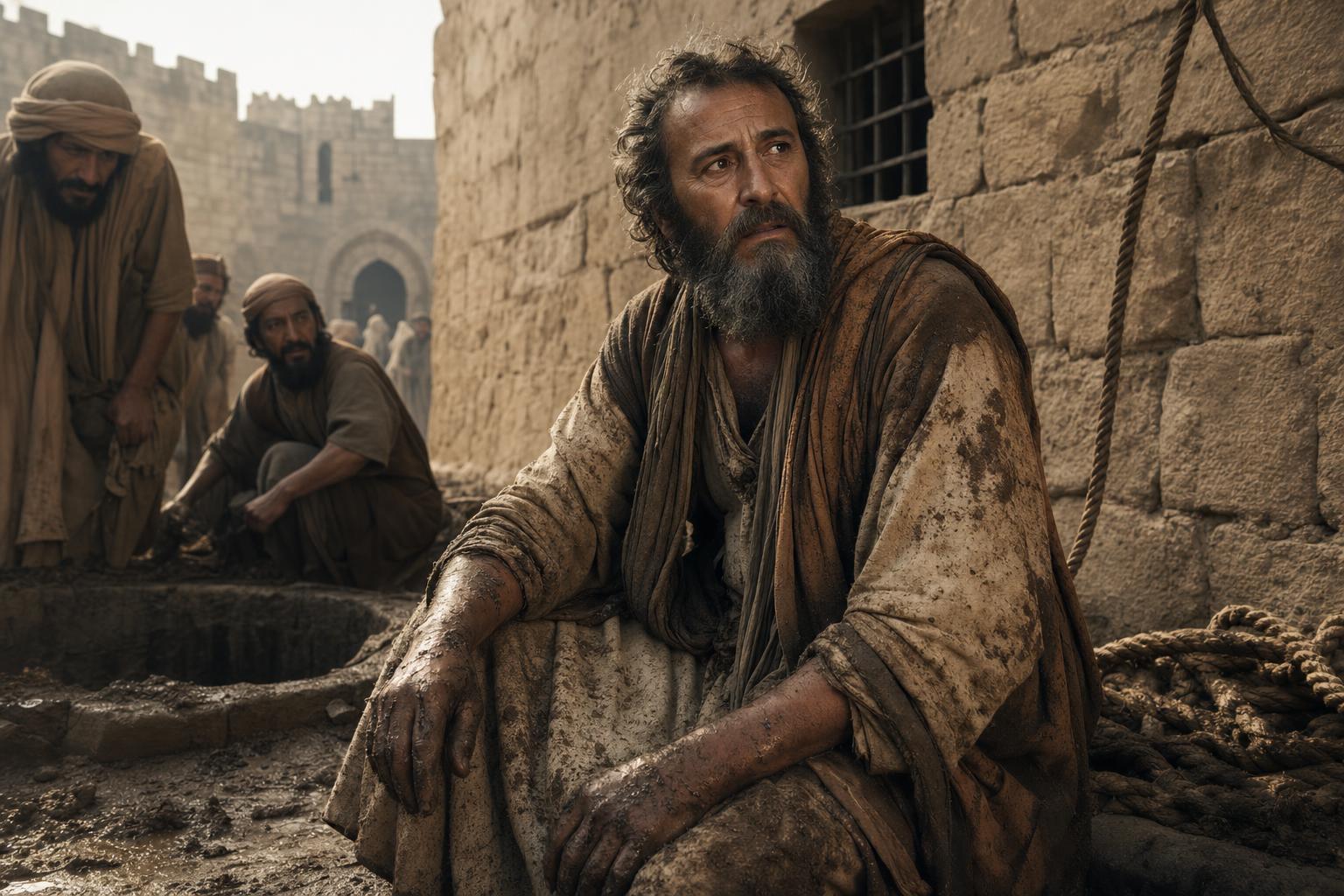
At different points in the book, Jeremiah was beaten, put in stocks, accused of treason, and thrown into a muddy cistern. He also carried unusual personal burdens. God told him not to take a wife or have children, which made his prophetic life even lonelier.
After Jerusalem fell, Jeremiah was released and allowed to remain with the remnant in the land. But the story still did not become easy. When some Judeans later refused God's direction and fled toward Egypt, they forced Jeremiah to go with them. Scripture follows him into that painful aftermath, but it does not give a fully detailed final biography or a certain record of his death.
So the simplest answer is this: Jeremiah suffered for his calling, survived Judah's fall, and remained a prophet even when the people around him kept resisting God's word.
Why is Jeremiah important in the Bible?
Jeremiah matters because he shows what faithful witness looks like when a culture is refusing to listen. He kept speaking God's word when the message was unpopular, when the results looked discouraging, and when obedience cost him personally.
He also matters because his book does not end with judgment alone. In Jeremiah 31, God promises a new covenant in which His law will be written on the hearts of His people. That promise makes Jeremiah important not only as a warning prophet but also as a prophet of hope.
Jeremiah helps readers understand that God's judgment is not the last word over His people. Sin is real, consequences are real, and false peace is dangerous. But God still intends mercy, restoration, and deeper heart-level renewal than outward religion can produce.
If you want to compare Jeremiah with another prophet tied to Judah's crisis years, our page on Ezekiel is a strong next read. Ezekiel speaks from exile, while Jeremiah speaks through the collapse that led into it.
Key Bible passages about Jeremiah
If you want to study Jeremiah more closely, start with these passages:
- Jeremiah 1:1-10 - Jeremiah's background, call, and commission.
- Jeremiah 7:1-15 - Jeremiah warns against false trust in outward religion.
- Jeremiah 20:7-18 - Jeremiah's emotional anguish and honesty before God.
- Jeremiah 31:31-34 - the promise of the new covenant.
- Jeremiah 38:6-13 - Jeremiah in the cistern and his rescue.
- Jeremiah 42-43 - the aftermath of Jerusalem's fall and the journey to Egypt.
A short prayer inspired by Jeremiah
Lord, give me the honesty, courage, and tenderness You gave Jeremiah. Help me listen to Your Word instead of resisting it. Give me a soft heart that repents quickly, and teach me to stay faithful even when truth is hard to speak or hard to hear. When I feel discouraged, remind me that Your purposes are still steady and good. Write Your truth more deeply on my heart and keep me close to You. In Jesus' name, amen.
If you are asking God for a clear next step and a softer heart, spend time with our prayers for repentance and prayers for guidance.
Frequently asked questions
Was Jeremiah a priest or a prophet?
Both, in a sense. Jeremiah came from a priestly family in Anathoth, but the Bible primarily remembers him for his prophetic calling and ministry to Judah.
Did Jeremiah write Lamentations?
Many readers have traditionally connected Jeremiah with Lamentations because of the book's sorrowful tone and the prophet's grief over Jerusalem. But the Bible itself does not clearly name Jeremiah as the author, so it is better to speak carefully rather than claim certainty.
Why was Jeremiah not allowed to marry?
Jeremiah 16 says God told him not to marry or have children because devastating judgment was coming on the land. His personal life became part of the prophetic sign of how severe Judah's coming sorrow would be.
What happened to Jeremiah after Jerusalem fell?
After Jerusalem was taken, Jeremiah was released and remained with the remnant in Judah. Later, disobedient Judeans forced him to go with them to Egypt. Scripture does not give a complete, certain account of what happened after that.
What is Jeremiah 29:11 actually about?
Jeremiah 29:11 was first spoken to people facing exile, not as a vague promise that life would always feel easy. The verse shows that even after judgment, God had not abandoned His people and still intended a future shaped by His restoring mercy.

