
What Is the Unforgivable Sin? Meaning, Warning, and Hope
The unforgivable sin is blasphemy against the Holy Spirit. In the Bible, Jesus says this after religious leaders watch Him cast out demons by God's power and then say that His power comes from Satan. That is why the warning is not about one stray thought, one frightened sentence, or one serious failure in your past. It is about willfully rejecting the Spirit's witness to Jesus and calling God's work evil. This is why some Christians also call it the unpardonable sin.
For many people, this question is personal. They are not asking it as a theology exercise. They are asking because they are afraid they may already be too far gone. The good news is that a person who is grieved over sin, wants mercy, and is still turning toward Christ should not read Jesus' warning as proof that God no longer wants them. The warning is real, but so is God's willingness to forgive everyone who comes to Him in repentance and faith.
What does blasphemy against the Holy Spirit mean?
In this passage, blasphemy against the Holy Spirit means more than saying something irreverent. It is a hard-hearted, deliberate rejection of what the Holy Spirit is making clear about Jesus.
The simplest way to say it is this: the unforgivable sin is not ordinary weakness. It is settled resistance. It is seeing the Spirit's work, refusing it, and slandering it as evil.
Many Christians explain the warning in similar language even when they phrase the details differently. Some emphasize the exact historical scene with the Pharisees. Some explain the warning today as final, willful rejection of the Spirit's witness to Christ. But they meet in the same place: Jesus is not talking about a random bad moment. He is warning about a heart that keeps pushing away the truth and does not want to repent.
What happened when Jesus gave this warning?
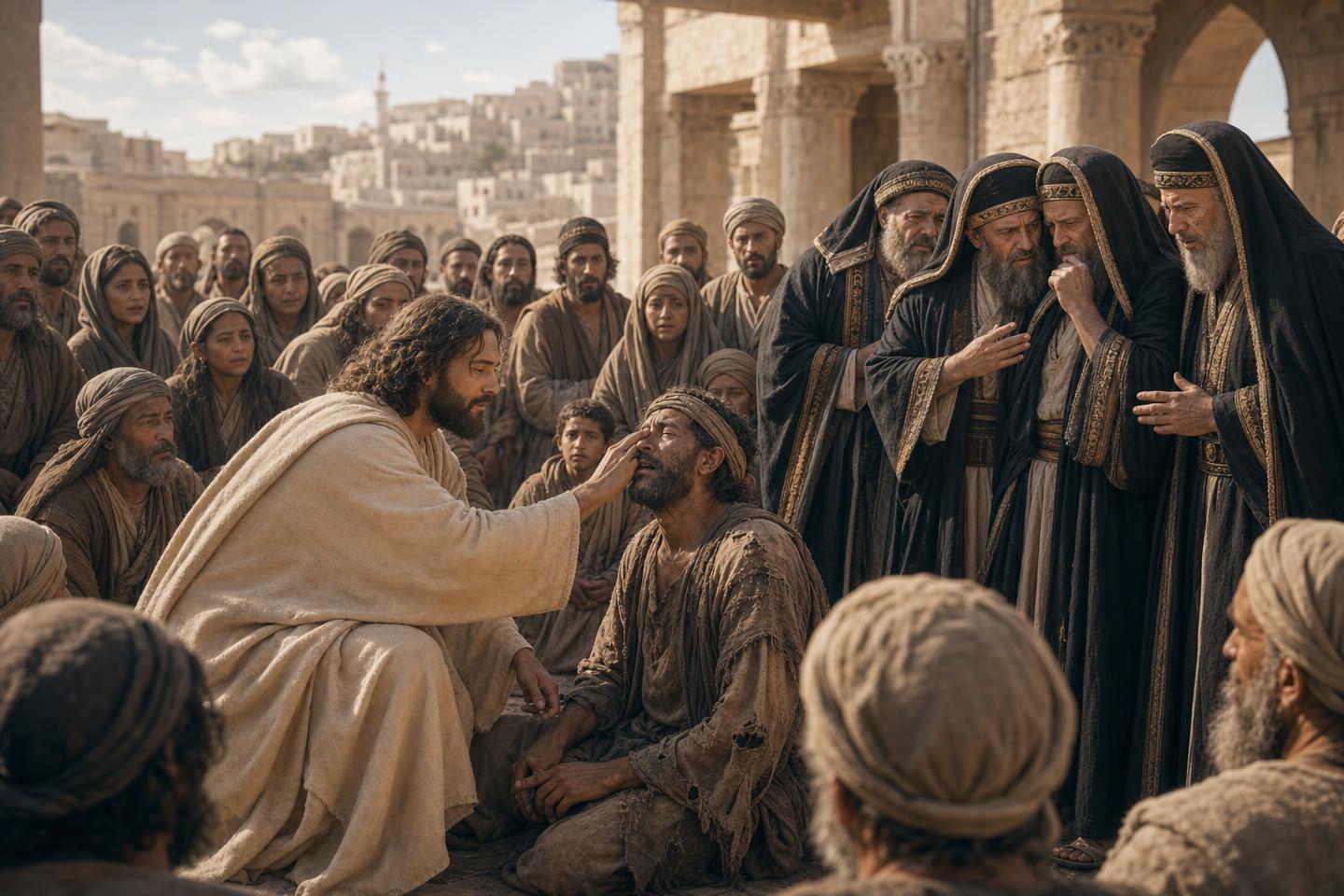
Jesus gave this warning during a confrontation with religious leaders. In Matthew 12 and Mark 3, He had been healing people and driving out demons. The people could see that something holy and powerful was happening. Even so, some of the leaders refused to accept what was right in front of them.
Instead of admitting that God was at work, they said Jesus was casting out demons by Satan's power. In other words, they looked at the work of the Holy Spirit and called it demonic. Jesus answered that charge directly. A kingdom divided against itself cannot stand, and Satan would not be helping Jesus destroy Satan's own work.
Mark's Gospel gives the clearest summary of why Jesus spoke so strongly. After warning that blasphemy against the Holy Spirit will never be forgiven, Mark adds that Jesus said this because they were saying, "He has an unclean spirit." That line matters. It keeps the warning anchored in a real event, not in vague religious fear.
Matthew adds another detail that helps. Jesus says that speaking against the Son of Man can be forgiven, but speaking against the Holy Spirit will not be forgiven. That does not mean Jesus is less important than the Spirit. It means the leaders were no longer dealing with partial misunderstanding or slow recognition. They were resisting clearer light and doing it on purpose.
Why is the unforgivable sin unforgivable?
The Holy Spirit is the one who testifies to the truth about Jesus, convicts people of sin, and draws them toward repentance. So when a person knowingly hardens himself against that witness, he is resisting the very mercy that would lead him back.
That is why many Christians explain the unforgivable sin as a settled refusal to repent. The issue is not that God would turn away a person who honestly comes for mercy. The issue is that a heart can become so fixed in rejection that mercy is no longer wanted.
This is what makes the warning so serious. It is not about God being reluctant to forgive. Jesus says plainly that "all sins" and "whatever blasphemies" can be forgiven. The warning becomes terrifying only when a person keeps rejecting the One who would forgive him.
Christians do differ on one point of application. Some say the exact sin was tied to the Pharisees who watched Jesus' earthly ministry and still called His miracles satanic. Others say the exact scene was unique, but the warning still applies wherever someone keeps resisting the Spirit's witness to Christ until the heart grows hard. In practice, both views warn against the same thing: knowing resistance to Jesus that refuses repentance.
What is the unforgivable sin not?
Jesus' warning should not be watered down, but it should not be stretched beyond what He meant.
The unforgivable sin is not:
- an intrusive blasphemous thought that horrified you
- one angry sentence spoken in fear, pain, or confusion
- every repeated struggle with temptation
- a terrible sin from your past that you now hate and want forgiven
The Bible gives strong proof that even very serious sins are not automatically beyond mercy. David committed adultery and arranged a man's death, yet he found forgiveness when he repented. Peter denied Jesus, yet Jesus restored him. Paul persecuted the church, yet he was shown mercy and became one of Christ's servants.
So the question is not, "Did I ever do something terrible?" The question is, "Am I still refusing Christ and resisting the Spirit's call to turn back?"
Have I committed the unforgivable sin?
If you are asking this question with sorrow, fear, and a real desire to be right with God, that is usually strong evidence that you have not committed it.
People with fully hardened hearts do not usually tremble over offending God. They do not grieve over sin or look for mercy. They justify themselves, mock the truth, or stop caring. A tender conscience is not the same thing as a condemned heart.
That does not mean fear by itself saves anyone. It does mean you should not treat your fear as proof that you are hopeless. If you still want Christ, still want forgiveness, and still want your heart made clean, then your next move is not despair. Your next move is to come to Him.
At the same time, Jesus' warning should still be heard. If you know God is dealing with you, do not keep pushing Him away. Scripture says, "Today, if you hear his voice, do not harden your hearts." The right response to this warning is not panic, but repentance.
What should you do if this question is weighing on you?
Start by bringing the fear honestly to God. Do not try to solve it by endlessly replaying every thought you have had. Tell God the truth about your fear, your sin, and your need for mercy.
Then confess what you already know is wrong. If there is specific sin you need to turn from, name it plainly instead of hiding behind general panic. A simple prayer for repentance can help you put that turning into words.
Next, rest your hope in Jesus rather than in how frightened or calm you feel at the moment. The promise of Christ is not "whoever never struggled may come." His promise is that whoever comes to Him will not be cast out. If shame feels heavy, a short prayer for forgiveness may help you keep moving toward God's mercy instead of away from it.
It can also help to keep your heart near Scripture and prayer instead of near panic. These Bible verses about the Holy Spirit and these prayers for the Holy Spirit are good companion pages if you want to keep seeking God with a softer, steadier heart.

Key Bible passages about the unforgivable sin
If you want to study this question in Scripture for yourself, these are the clearest places to start:
- Mark 3:22-30 - the strongest direct context for Jesus' warning
- Matthew 12:22-32 - the same warning with the added distinction between the Son of Man and the Holy Spirit
- Luke 12:10 - Luke's shorter record of the warning
- Hebrews 6:4-6 - a severe warning about hardening after receiving great light
- Hebrews 10:26-29 - a warning about rejecting grace knowingly and persistently
- John 6:37 - Jesus' promise that whoever comes to Him will not be cast out
- 1 John 1:9 - God's promise to forgive and cleanse those who confess their sins
Taken together, these passages hold two truths side by side. God warns against hardening the heart. And God welcomes sinners who truly come to Him.
A short prayer if you feel afraid after reading this
Lord, I do not want a hard heart. Please forgive my sin, quiet my fear, and help me trust Jesus instead of despairing. Give me a soft heart that listens to Your Spirit, turns from sin, and rests in Your mercy. In Jesus' name, amen.

