
What Is Heresy? Definition, Bible Meaning, and Examples
Heresy is belief or teaching that contradicts accepted religious doctrine. In Christian use, it usually means serious false teaching that departs from essential truth. If you are searching for heresy definition, heresy meaning, or what is heresy, that is the basic answer.
In the church, though, the word usually means more than a minor mistake or a random difference of opinion. It is usually used for teaching that distorts the gospel, denies a core truth about Christ, or leads people away from the faith once delivered to the saints. That is why the Bible treats false teaching so seriously.
This page explains what heresy means, what the Bible says about it, a few well-known examples, and how Christians should respond with both truth and humility.
What does heresy mean?
In its broadest sense, heresy means belief or teaching that contradicts accepted religious doctrine. That is the plain definition many dictionary pages give, and it is the right place to start.
But in Christianity, the word is usually used more narrowly. Christians do not normally call every disagreement heresy. The term is usually reserved for teaching that departs from essential truth in a way that damages the gospel itself. In other words, heresy is not just being wrong about something. It is serious false teaching about matters central to the faith.
The word feels weighty because church history used it for teachings that denied who Jesus is, what He accomplished, or what the gospel actually is. Christians still need to use it carefully. If every doctrinal dispute is called heresy, the term becomes more emotional than useful.
A simple way to say it is this: heresy is serious false doctrine, not just ordinary disagreement.
If you want to keep studying how Scripture talks about sound teaching, PrayersFor also has a full page of Bible verses about doctrine.
What does the Bible say about heresy?
The Bible's clearest wording appears in 2 Peter 2:1, which warns about "destructive heresies" brought in by false teachers. That verse connects the modern word heresy to the Bible's larger pattern of warning about false teaching, another gospel, deception, and divisive error.
Galatians 1:6-9 shows how serious this is. Paul says that even if someone preached a different gospel, that message should be rejected. That means false teaching is not dangerous only because it creates arguments. It is dangerous because it can lead people away from the saving truth of Christ.
Other passages make the same point in different language. First John 4:1 tells believers to test the spirits. Romans 16:17 warns about people who create divisions contrary to the doctrine believers have learned. Titus 3:10 says that a divisive person should be warned and then rejected if he refuses correction. Jude urges Christians to contend for the faith because certain people had slipped in and distorted grace.
So when readers ask about heresy in the Bible, the best answer is that Scripture deals with it through the categories of false teachers, another gospel, deception, and division. The Bible does not treat truth as a small matter. Truth about God, Christ, and the gospel is something to guard carefully.
That is one reason pages like Bible verses about the gospel, Bible verses about truth, and Bible verses about discernment matter so much. They help believers stay anchored when confusing teaching appears.
Is every wrong doctrine heresy?
No. This is one of the most important clarifications on the page.
Christians can disagree about many real issues without crossing into heresy. Churches differ on secondary questions such as church structure, some end-times views, or certain practices. Those disagreements can still matter, and they should still be handled seriously, but they are not automatically heresy.
Heresy is a stronger word. It belongs to teaching that denies or distorts a core truth of the Christian faith. Christians have usually applied it most clearly to teachings that attack the Trinity, the person of Christ, the gospel of grace, or other foundational truths.
This matters because the word is often used too loosely. Sometimes people throw around the label heretic when they really mean, "I think that view is wrong," or, "I strongly disagree with that teacher." But disagreement and heresy are not the same thing.
Careless use of the word creates two problems. First, it makes Christians sound harsh and reckless. Second, it makes it harder to identify actual false teaching when it appears. If every disagreement is called heresy, then real danger becomes harder to recognize.
A wiser Christian response is to ask better questions:
- Does this teaching contradict a central truth of Scripture?
- Does it distort who Jesus is or what the gospel says?
- Is it leading people away from the faith rather than simply reflecting a secondary disagreement?
That kind of discernment is much healthier than using the strongest label too quickly.
Common examples of heresy in Christian history
Church history gives several well-known examples of heresy. You do not need to memorize long timelines to understand the point. The main pattern is that heresies usually distort Christ, the gospel, or the nature of God.
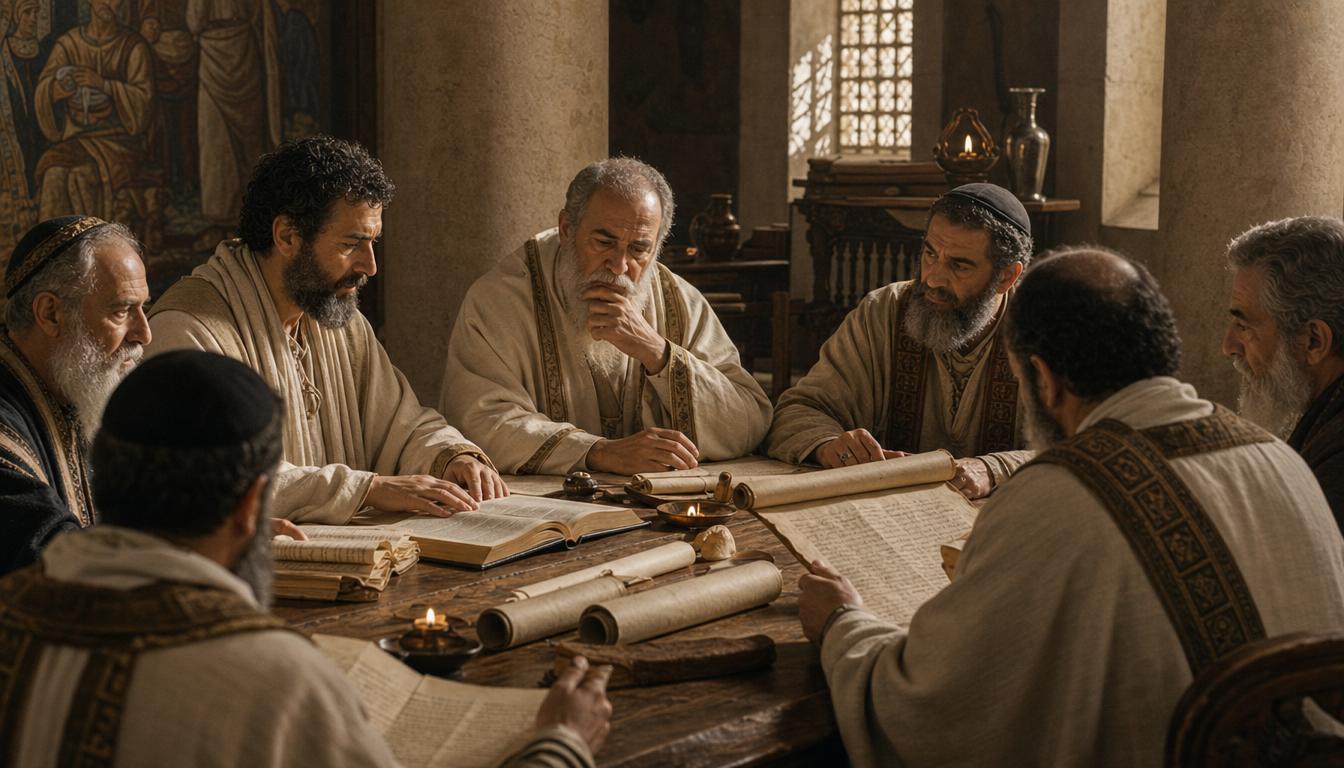
One classic example is Arianism, which taught that the Son was a created being and not fully equal with the Father. Another is Docetism, which claimed that Jesus only seemed to be human instead of truly taking on human flesh. Still another is Nestorian error, which separated Christ in a way that damaged the church's confession about His person.
There were other major errors too. Some teachings split the God of the Old Testament from the Father of Jesus. Others confused or collapsed Christ's divine and human natures. What ties many of these errors together is that they tampered with the identity and saving work of Jesus.
The church reacted strongly because these were not minor footnotes. They affected whether people were truly confessing the Christ revealed in Scripture.
History also warns Christians to use the word carefully. The label has sometimes been used too quickly, too politically, or too harshly. A faithful Christian approach should keep the category, but use it with restraint and honesty.
If you want to see how Scripture warns about deceptive spiritual voices, PrayersFor's pages on Bible verses about false prophets and Bible verses about wolves in sheep's clothing are helpful next steps.
How should Christians respond to heresy?
Christians should respond to heresy with discernment, courage, humility, and love for the truth.
First, believers should test teaching by Scripture. Not every confident teacher is sound. Not every spiritual-sounding message is true. First John 4:1 calls Christians to test the spirits, and that remains wise counsel today.
Second, believers should hold fast to sound doctrine. A church that does not care about truth will be easily confused. A believer who is not grounded in the gospel will be easier to mislead. That is why steady time in God's Word matters so much.

Third, Christians should correct false teaching patiently when possible. The goal is not to win arguments for pride's sake. The goal is to protect people, call error what it is, and, when possible, bring someone back to the truth.
Fourth, Christians should refuse stubbornly divisive false teaching. Titus 3:10 shows that there comes a point where warning has been given and separation becomes necessary. Truth and unity are not enemies. Real unity has to be unity in the truth.
Finally, Christians should use the heresy label carefully. It should not be a shortcut for outrage or a way to score points. It should be used only when serious false teaching is actually at stake.
That practical balance matters. Believers should neither shrug at false doctrine nor become reckless in accusation. Scripture calls for both truth and speaking the truth in love.
For readers who want a prayerful next step, PrayersFor also has prayers for discernment.
Key Bible passages about heresy and false teaching
If you want to study this theme directly in Scripture, start with these passages:
- 2 Peter 2:1 - false teachers secretly bring in destructive heresies.
- Galatians 1:6-9 - a different gospel must be rejected.
- 1 John 4:1 - test the spirits instead of believing every claim.
- Romans 16:17 - avoid people who create divisions contrary to sound teaching.
- Titus 3:10 - warn a divisive person, then reject persistent stubbornness.
- Jude 3-4 - contend for the faith when grace is being distorted.
PrayersFor's pages on Bible verses about division, Bible verses about discernment, and Bible verses about seeking truth also pair naturally with this topic.
A short prayer for discernment and truth
Lord, give me a heart that loves Your truth and is not easily led astray. Help me recognize teaching that is false, stay grounded in the gospel of Jesus Christ, and respond with both courage and humility. Protect Your church from deception, and teach me to walk in discernment, faithfulness, and love. In Jesus' name, amen.

