
Who Wrote Hebrews in the Bible? Why the Author Is Unclear
When people ask who wrote Hebrews in the Bible, the shortest honest answer is that the book does not name its human author. Christians receive Hebrews as Scripture, but unlike Paul's letters, it opens without telling readers who wrote it.
Because the name is missing, Christians have suggested several possibilities over the centuries. Paul is the most famous guess, but Barnabas, Luke, Apollos, and even Priscilla have also been proposed. Most modern Christians and teachers simply say the human writer is uncertain.
That uncertainty does not weaken the message of Hebrews. The book remains one of the clearest New Testament explanations of Jesus as the perfect high priest, the fulfillment of God's promises, and the one who calls believers to endure in faith. If you want the broader Christian answer to biblical authorship, PrayersFor already has a companion page on who wrote the Bible.
Who is the writer of Hebrews in the Bible?
The Bible does not directly identify the human writer of Hebrews. That is why the safest Christian answer is not a confident name but a careful statement: the author is unknown, even though the church has long treated the book as fully inspired Scripture.
That makes Hebrews unusual in the New Testament. Many biblical books either name the writer in the opening lines or are tied to a stable early tradition with much less debate. Hebrews is different. Readers have clues, but they do not have a byline.
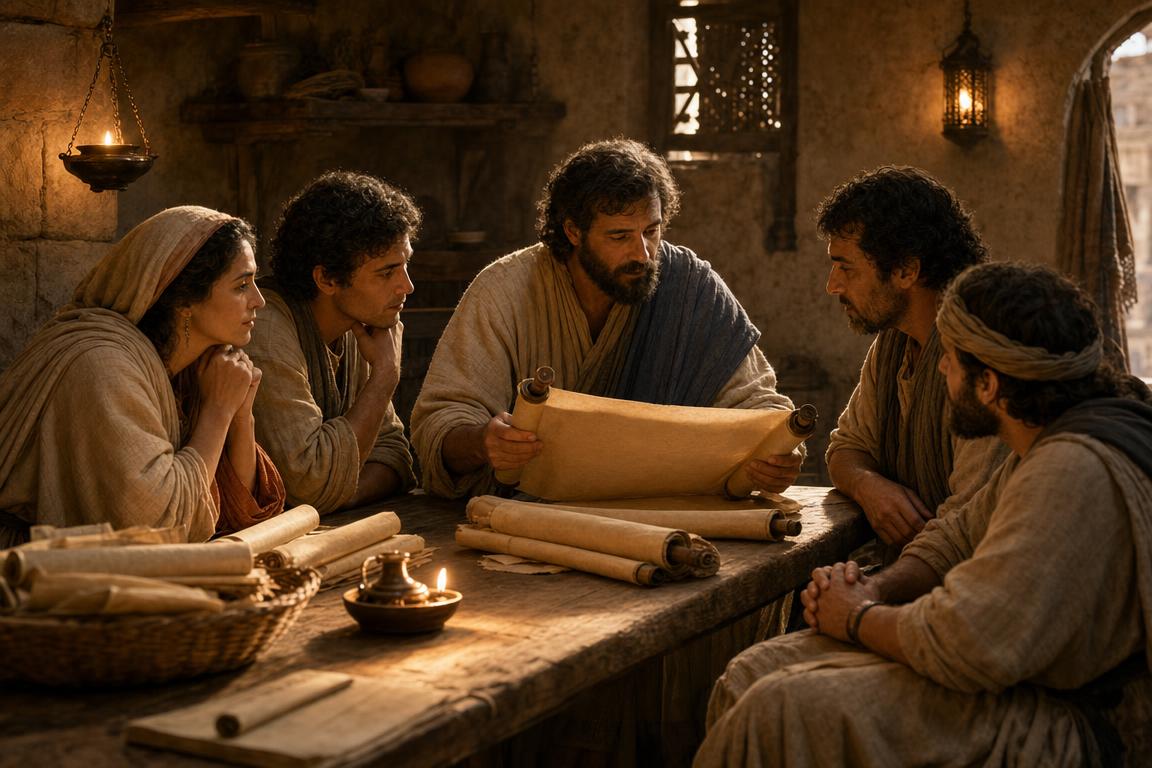
So if someone asks who the writer of Hebrews is, the best short answer is this: we do not know for certain who wrote it, even though several names have been suggested.
Why is the author of Hebrews unclear?
The biggest reason is simple: Hebrews never opens by naming its writer. Paul's letters usually begin with a greeting that identifies him immediately, but Hebrews starts with a majestic statement about God speaking through His Son instead of introducing the author.
The book also contains clues that point in different directions. Hebrews 2:3 says the message of salvation was confirmed to "us" by those who heard the Lord, which sounds like the writer is describing the gospel as something passed along through earlier witnesses. Hebrews 13:23 mentions Timothy, which connects the writer to Paul's circle, but it still does not solve the question by itself.
On top of that, the style of Hebrews is polished and carefully structured. Readers have long noticed that its Greek style and argument flow feel different from the letters most people associate with Paul. That is why the book has inspired both confidence in its truth and caution about attaching a definite name to it.
Did Paul write Hebrews?
For many centuries, a large part of the church connected Hebrews with Paul. There are reasons people still suggest him today. The book ends with a grace-filled closing, it mentions Timothy, and its theology fits comfortably with the rest of the New Testament rather than sounding foreign to apostolic teaching.
At the same time, many Christians hesitate to say Paul definitely wrote it. Hebrews does not begin the way Paul's letters usually do, it does not name him, and the wording of Hebrews 2:3 sounds different from the way Paul often describes receiving the gospel. Many readers also note that Hebrews relies heavily on Greek Old Testament wording and has a different literary feel from Paul's better-known epistles.
That is why a balanced Christian answer usually sounds like this: Paul may have had some connection to Hebrews, and some believers still think he wrote it, but the evidence is not strong enough to settle the matter with confidence.
Who else has been suggested as the writer of Hebrews?
Several other names have been proposed through church history. Barnabas is one suggestion because he was a Levite and the book of Hebrews shows deep interest in priesthood, sacrifice, and Old Testament worship patterns. Luke is another suggestion because of the book's polished Greek style. Apollos is often proposed because Acts describes him as eloquent and mighty in the Scriptures, which fits the intellectual strength many readers hear in Hebrews.
Among those alternatives, Apollos often feels especially plausible to modern readers because Hebrews combines strong Old Testament handling with persuasive Greek rhetoric. If you want to explore that candidate more directly, PrayersFor already has a page on Apollos in the Bible.
Some have also suggested Priscilla, though that idea remains more speculative. The important takeaway is not that one of these names can be proven, but that Christians have long recognized several credible possibilities without reaching a universal conclusion.
Why was Hebrews accepted as Scripture if the author is uncertain?
Christians did not receive Hebrews because they solved every modern authorship question. They received it because its message was consistent with apostolic Christianity, its teaching about Christ was powerful and faithful, and the church recognized it as belonging among the inspired writings. In other words, the church treated Hebrews as the Word of God even while the human writer remained less clear.
That matters because trust in Scripture is bigger than attaching a confident name to every page. Hebrews fits naturally with what the rest of the New Testament teaches about Jesus, salvation, perseverance, and faith. If you want supporting verse-led pages for that conviction, PrayersFor already has helpful collections on Scripture being inspired by God and the Bible being true.
So the Christian position is not, "We do not know the author, so the book must be doubtful." It is closer to this: "We may not know the human writer with certainty, but we still receive Hebrews as inspired, trustworthy, and spiritually authoritative."
What is Hebrews known for?
Even though the author is uncertain, the message of Hebrews is unforgettable. The book shows that Jesus is greater than angels, greater than Moses, and greater than the old priestly system. It explains Christ as the perfect high priest and points readers to the once-for-all sufficiency of His sacrifice.
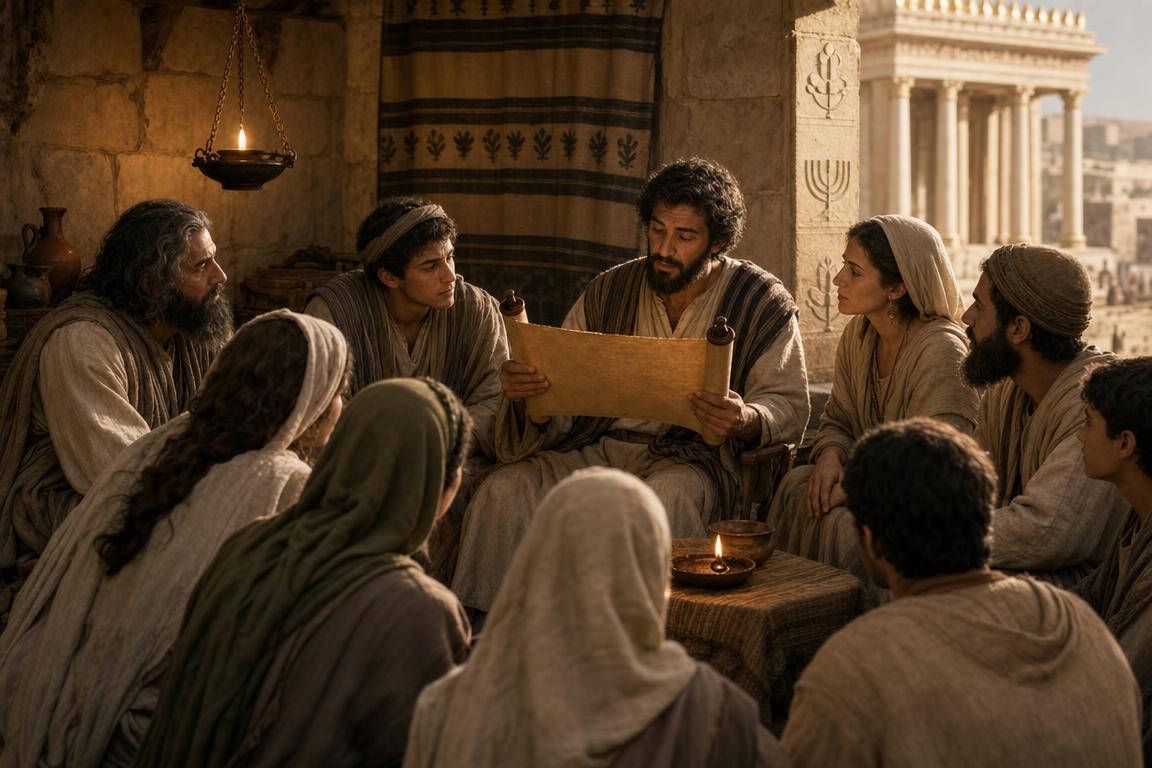
That is also why Hebrews spends so much time on temple and priesthood language. Its teaching connects naturally to biblical themes such as priests and the mysterious figure of Melchizedek. Hebrews is not remembered mainly because its authorship is disputed. It is remembered because it gives one of the strongest Christ-centered explanations in the New Testament.
The book is also famous for Hebrews 11, often called the great chapter of faith. That is why the question of authorship should never eclipse the book's spiritual purpose. Hebrews was given to strengthen believers to endure, trust Christ, and walk by faith.
Key passages to read if you're asking who wrote Hebrews
If you want to study the question directly in the text, these passages are the best place to start:
- Hebrews 1:1-4 - the book's powerful opening, which starts with Christ rather than naming the human author.
- Hebrews 2:3 - an important verse in the authorship discussion because the writer speaks of the message being confirmed by those who heard the Lord.
- Hebrews 4:14-16 - a central passage on Jesus as the great high priest.
- Hebrews 7:1-3 - a key section for the book's connection to Melchizedek and priesthood themes.
- Hebrews 11:1-40 - the famous faith chapter that shows the book's pastoral power.
- Hebrews 12:1-2 - the call to run with endurance and fix our eyes on Jesus.
- Hebrews 13:23-25 - the closing lines that mention Timothy and help fuel the authorship discussion.
A short prayer for trust when some Bible questions stay unsettled
Lord, thank You for giving Your people Scripture even when not every historical detail is answered the way modern readers want. Help me trust what You have made clear, honor Your Word with humility, and keep my eyes on Jesus as I read. Give me wisdom, patience, and deeper faith whenever I face questions that are real but not fully resolved. In Jesus' name, amen.

