
Who Is Judas in the Bible? His Story and Betrayal
When people ask who Judas is in the Bible, they usually mean Judas Iscariot, one of the twelve apostles who betrayed Jesus. He traveled with Jesus, heard His teaching, saw His miracles, and later handed Him over for thirty pieces of silver.
The Bible also mentions other men named Judas, so the question can sound broader than it is. In most contexts, though, Judas points to Judas Iscariot because his betrayal became one of the most remembered moments in the Gospels.
This page explains who Judas Iscariot was, what Scripture says about him, why he betrayed Jesus, what happened afterward, and why his story still matters.
Who is Judas in the Bible?
Judas in the Bible usually means Judas Iscariot, one of the twelve apostles chosen by Jesus. He belonged to the inner traveling group that followed Jesus during His public ministry, which means he was not a distant opponent watching from the outside. He lived close to Jesus and shared in the same ministry life as the other disciples.
That is part of what makes Judas's story so sobering. He was present for the teachings, the miracles, and the daily life of the group. If you want the wider setting for that calling, PrayersFor already has a helpful page on Jesus calling His disciples.
The Gospels also identify him more specifically as Judas, son of Simon Iscariot, which helps distinguish him from the other men named Judas in the New Testament.
Were there other Judases in the Bible?
Yes. The Bible does not use the name Judas for only one person.
One of Jesus's other apostles is called Judas, usually distinguished as Judas, not Iscariot, and often associated with Thaddaeus or Judas son of James. The New Testament also names Judas, one of Jesus's brothers, who is often connected to Jude. Acts mentions Judas Barsabbas as an early church leader as well.
So when the name appears without extra explanation here, the focus is Judas Iscariot, the disciple remembered for betraying Jesus. For readers who want a verse-led companion page after this overview, PrayersFor also has a dedicated page on Judas Iscariot.
What do we know about Judas Iscariot from Scripture?
Scripture tells us that Judas was one of the Twelve and that he held a trusted place in the group. John 12:6 says he kept the money bag and that he used to help himself to what was put into it. That detail matters because it shows Judas was not only near Jesus but also trusted with a practical responsibility.
It also helps explain why later Christian readers connect Judas so strongly with greed. His betrayal did not come out of nowhere. The Gospels leave signs that his heart was already bent in the wrong direction.
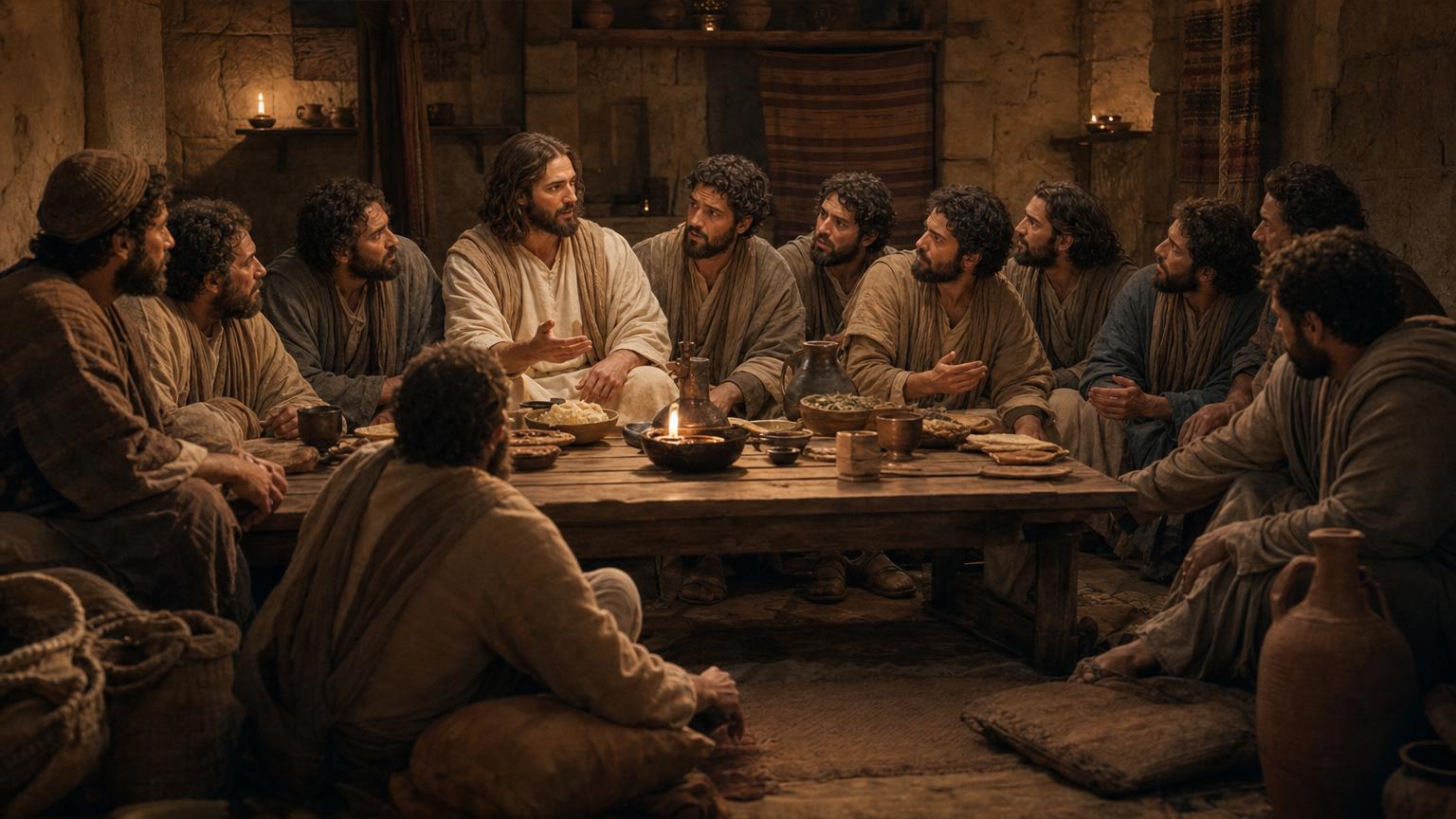
Another striking detail is that the other disciples did not seem to suspect him at first. At the Last Supper, when Jesus said one of them would betray Him, the group did not immediately point to Judas. Outwardly, he looked like one of them. That is one reason his story still speaks so sharply to questions of sincerity and hidden sin.
Why is Judas remembered for betraying Jesus?
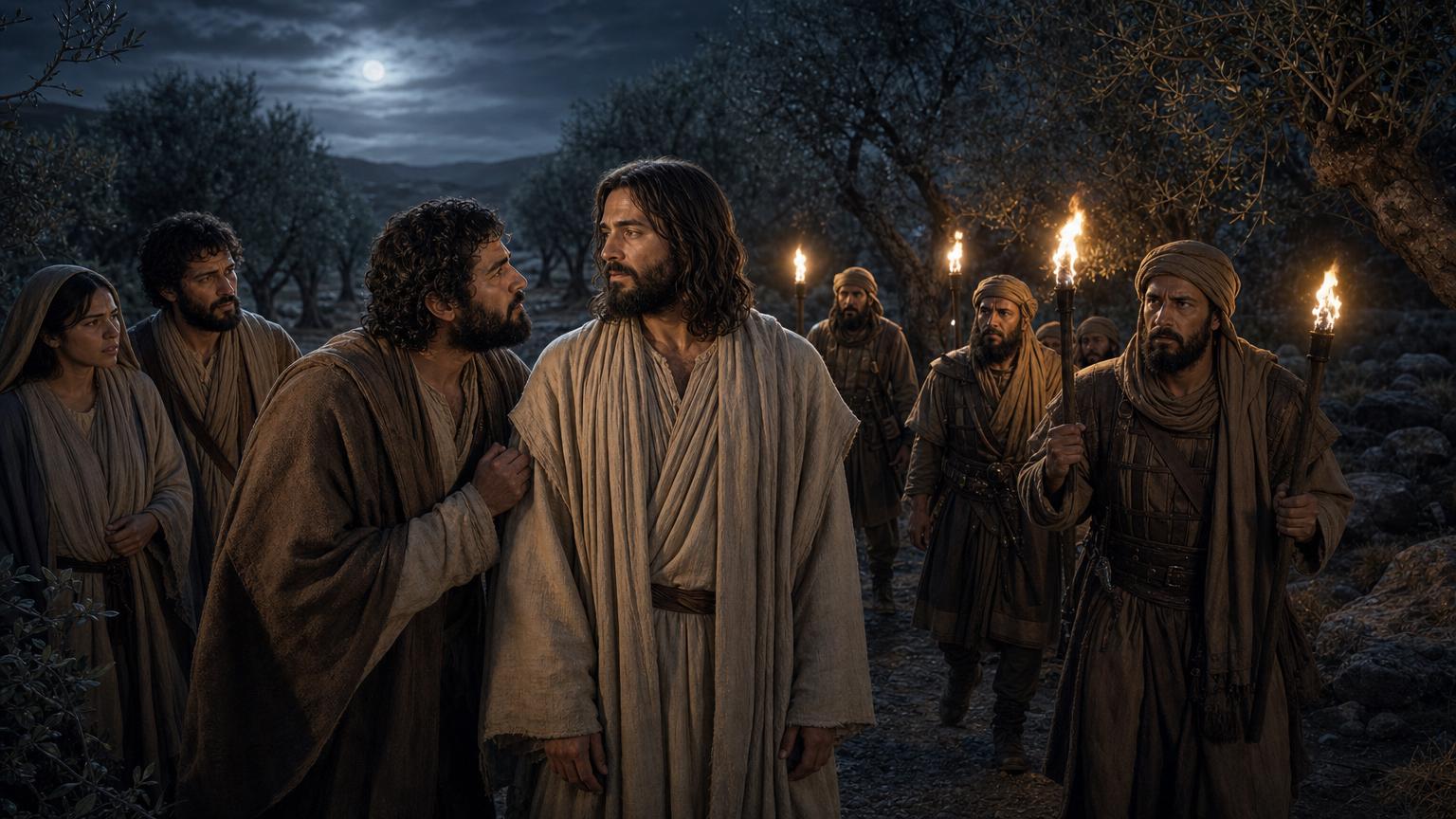
Judas is remembered above all for betraying Jesus to the chief priests. Matthew 26 says he agreed to hand Jesus over for thirty pieces of silver. Later, in Gethsemane, he identified Jesus with a kiss so the arresting group would know whom to seize.
That betrayal is one of the best-known scenes in Scripture because it joins intimacy with treachery. Judas was not a stranger turning Jesus in from a distance. He was one of the disciples, and he used a sign of closeness to help deliver Jesus into the hands of His enemies.
If you want to keep reading that theme in a verse-focused format, PrayersFor already has strong companion pages on betrayal and specifically on Judas betrayal.
The Bible also connects the betrayal with older Scripture, especially Psalm 41:9 and Zechariah 11:12-13. Those links matter because they show Judas's action was neither random nor outside God's larger redemptive plan. At the same time, the betrayal remains Judas's own wicked act, and the Bible never softens that reality.
Why did Judas betray Jesus?
The clearest biblical answer is that greed and evil influence were both involved.
Matthew highlights the thirty pieces of silver, and John gives the stronger moral diagnosis by saying Judas was a thief. That is why his story fits naturally beside Bible verses about the love of money. Judas's sin did not begin only when he kissed Jesus in the garden. Scripture suggests a deeper pattern was already at work in him.
Luke 22:3 and John 13:27 also say that Satan entered Judas. The Bible therefore presents the betrayal as spiritually dark, not just psychologically disappointing or politically confused. If you want to study that side of the struggle further, PrayersFor has a related page on Satan.
Still, the Bible does not treat Judas as a helpless victim. He chose what he did. Readers sometimes want a more detailed theory about whether Judas was trying to force Jesus's hand or whether he expected a different kind of Messiah, but Scripture does not spend much time proving those ideas. The strongest answer stays close to the text: Judas loved money, gave place to evil, and became the betrayer.
What happened to Judas after he betrayed Jesus?
After Jesus was condemned, Judas was seized with remorse. Matthew 27 says he returned the silver to the chief priests and elders, confessed that he had betrayed innocent blood, and then went away and hanged himself.
Acts 1 adds the field-of-blood detail and describes Judas's violent end in language that stresses judgment and horror. Readers often pause here because Matthew and Acts emphasize different details, but together they tell the same larger truth: Judas's story ended in tragedy, not restoration.
That is an important contrast. Judas felt remorse, but his story does not move toward the hope readers see elsewhere in Scripture when sinners turn back to God. If this part of the story leaves you thinking about your own need for mercy, stay with the Bible's call to repentance. Judas's end is meant to warn, not to leave readers without hope.
Why does Judas matter in the Bible?
Judas matters because his life is a warning.
First, he shows that being near holy things is not the same as belonging to them. Judas spent years near Jesus, yet closeness to truth did not automatically change his heart.
Second, Judas shows how destructive the love of money can become. What begins as hidden dishonesty can end in open betrayal. His story does not let readers treat greed as a small sin.
Third, Judas's betrayal shows that God's plan was still moving forward even through human evil. The cross was not an accident, and fulfilled Scripture did not make Judas innocent. The Bible holds both truths together: God remained sovereign, and Judas remained responsible.
Finally, Judas matters because his story forces readers to ask hard questions about hypocrisy, loyalty, and real faith. It pushes people beyond appearances and back toward honest repentance before God.
Key Bible passages about Judas
If you want to read Judas's story directly in Scripture, start here:
- Matthew 10:1-4 - Judas is named among the twelve apostles.
- John 12:4-6 - Judas keeps the money bag and is exposed as a thief.
- Matthew 26:14-16 - Judas agrees to betray Jesus for thirty pieces of silver.
- John 13:21-30 - Jesus identifies Judas at the Last Supper.
- Luke 22:47-48 - Judas betrays Jesus with a kiss.
- Matthew 27:3-10 - Judas returns the silver and hangs himself.
- Acts 1:16-20 - Peter reflects on Judas's end and the field of blood.
For a verse-led follow-up, PrayersFor's Judas Iscariot and Judas betrayal pages make good companions to this overview.
A short prayer after reading Judas's story
Lord, keep my heart sincere before You. Guard me from hidden sin, the love of money, and the kind of divided loyalty that grows in the dark. Give me real repentance, a clean conscience, and a steady love for Christ that does not collapse when I am tested. In Jesus' name, amen.

