
Who Is Ezekiel in the Bible? Story, Visions, and Message
Ezekiel in the Bible is a priest and prophet who ministered to the Jewish exiles in Babylon during the sixth century BC. He is the prophet behind the Old Testament book that bears his name. He is best known for his vision of God's glory, his warnings that Jerusalem would fall because of sin, and his later promises of restoration such as the valley of dry bones.
If you are asking who Ezekiel was in the Bible, the short answer is this: Ezekiel was a prophet God raised up during exile to call His people to repentance and to assure them that judgment would not be the end of the story.
This page explains who Ezekiel was, what he did, what he is known for, and why his book still matters.
Who is Ezekiel in the Bible?
Ezekiel was both a priest and a prophet. Ezekiel 1:3 identifies him as the son of Buzi the priest, which means he came from a priestly family and would have been shaped by temple worship before the exile. His name is often explained as meaning "God strengthens" or "God will strengthen."
He appears in Scripture during one of Judah's darkest periods. Babylon had already taken many people from Jerusalem into exile, and Ezekiel was among those deported. Instead of ministering in the temple he expected to serve in, he received his prophetic calling among the exiles by the Kebar River in Babylon.
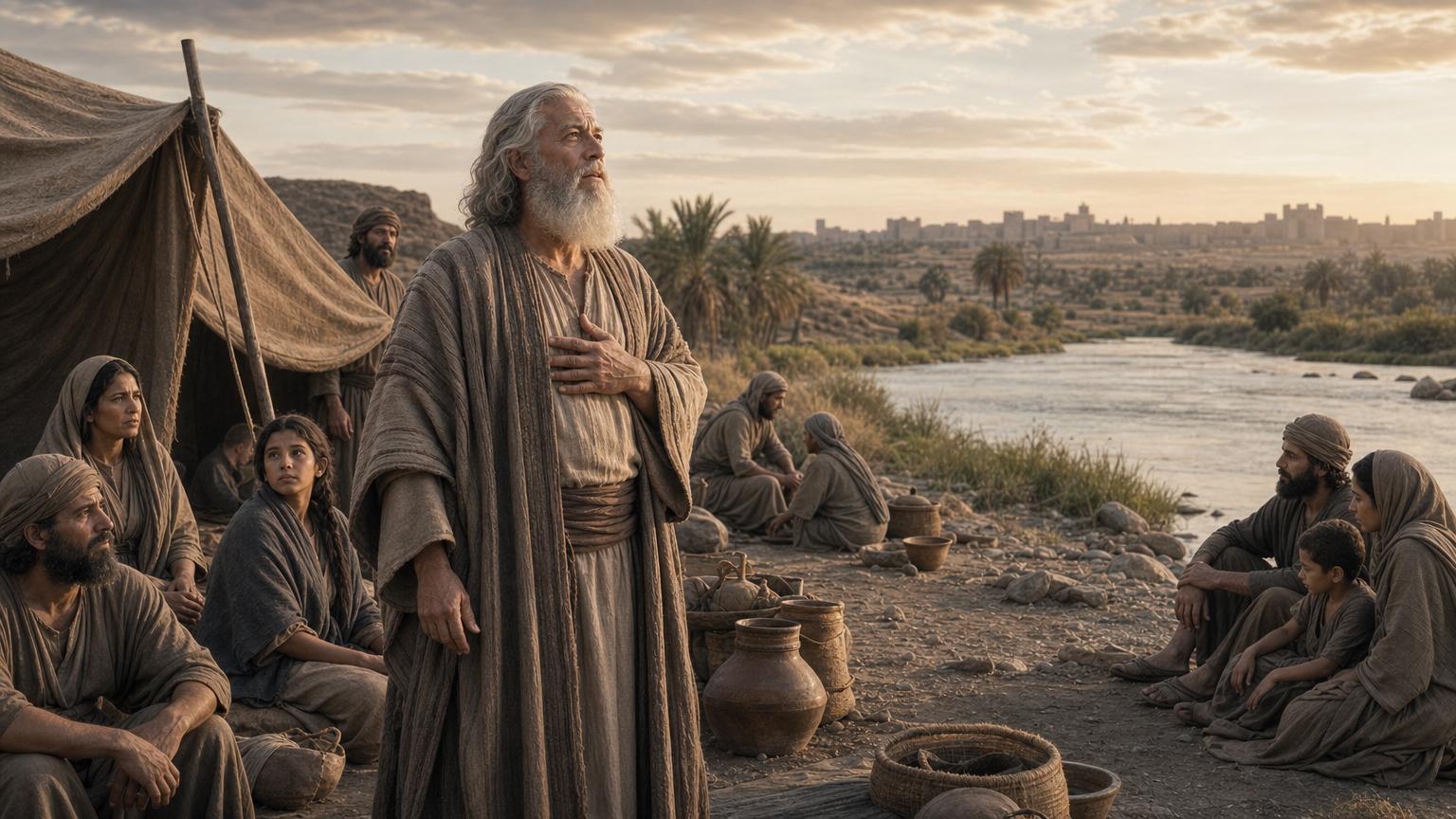
That is one reason Ezekiel stands out among the Bible's prophets. His ministry begins away from Jerusalem, which immediately shows that God's rule and presence are not limited to one city or one building.
When did Ezekiel live and what happened to him?
Ezekiel lived during the early sixth century BC, around the time Jerusalem fell to Babylon. He belonged to the generation that watched Judah's collapse and then had to live with the grief of exile.
His prophetic ministry began after he was carried to Babylon with other Judean exiles. From there he spoke to people who were confused, ashamed, and tempted to believe either that judgment would never come or that hope was gone forever. Ezekiel's message confronted both errors.
The book also shows that Ezekiel's life itself became part of his message. God called him a watchman, gave him difficult symbolic actions to perform, and even used personal sorrow in his life as a sign to the people. Those details help explain why Ezekiel can feel so intense compared with shorter Bible-character summaries.
What did Ezekiel do in the Bible?
Ezekiel warned God's people that their rebellion, idolatry, and false security would lead to judgment. Before Jerusalem fell, he kept telling the exiles that the city and temple were not untouchable simply because they belonged to Israel.
He did more than preach speeches. Ezekiel acted out many of God's warnings in visual ways so the people could not easily ignore them. He lay on his side for an extended period, shaved and divided his hair as a sign of coming judgment, and spoke as a faithful watchman responsible to warn the people clearly.
At the same time, Ezekiel was not sent only to announce doom. After Jerusalem's fall, his ministry turned more fully toward comfort, renewal, and future hope. That movement from judgment to restoration is one of the clearest ways to understand his whole book.
What is Ezekiel known for?
Ezekiel is especially known for his dramatic visions and for the way those visions reveal God's holiness, glory, and restoring power.
1. His opening vision of God's glory
Ezekiel's first vision in chapter 1 is one of the most striking scenes in the Bible. Readers remember the living creatures, the wheels within wheels, and the overwhelming brightness around the throne. The point of the vision is not to feed strange speculation. The point is that the glory of God is still real and still reigning, even in exile.
If you want to stay with that part of the story, PrayersFor already has Bible-verse pages on the glory of God and even the unusual appearance of angels in Ezekiel.
2. His message as a watchman
God called Ezekiel to act as a watchman who would faithfully warn the people. That role matters because it shows the seriousness of Ezekiel's ministry. He was not sent to entertain, speculate, or soften the truth. He was sent to speak God's warning whether people listened or not.
That part of Ezekiel's life also connects naturally with PrayersFor's pages on prophecy and obedience. His story is a reminder that faithfulness sometimes means speaking hard truth with courage.
3. The valley of dry bones and the promise of restoration
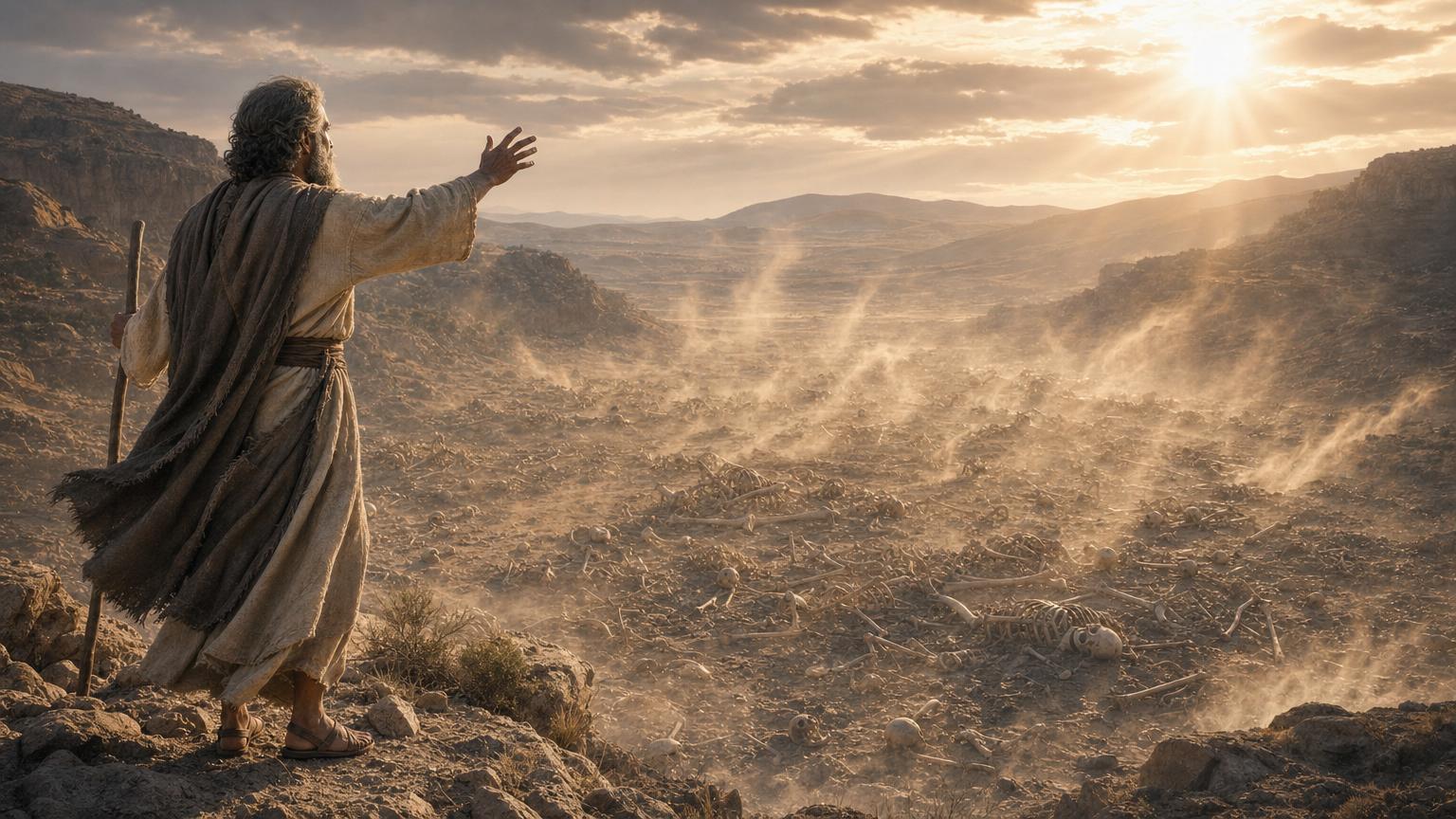
Many readers know Ezekiel best from chapter 37, where he sees a valley full of dry bones brought back to life by the breath of God. In its original setting, that vision speaks about the restoration of God's people who felt cut off and hopeless in exile.
That is why Ezekiel is also strongly associated with hope. His book promises cleansing, gathering, a new heart, and restoration. What begins in ruin does not end there.
What message did Ezekiel preach?
The heart of Ezekiel's message is simple: God is holy, sin brings real judgment, and God Himself is still able to restore His people.
Before Jerusalem's fall, Ezekiel exposed Judah's sin, especially idolatry, injustice, and spiritual stubbornness. He made clear that belonging to Israel outwardly would not protect people who refused to turn back to God. That warning still gives the book much of its force today.
After the fall, Ezekiel's message became more openly hopeful. God promised to gather His scattered people, cleanse them, give them a new heart and spirit, and dwell among them again. The book closes with restoration language, including the vision of a renewed temple and a renewed land for Israel.
That combination is why Ezekiel is not just a "judgment prophet." He is also a prophet of hope in hard times. If that theme is close to home, PrayersFor's prayers for hope in difficult times and restoration pair naturally with this story.
Why is Ezekiel important in the Bible?
Ezekiel matters because he helps readers understand both God's holiness and God's mercy.
First, his book shows that God will not ignore sin forever, even among His own people. Ezekiel refuses the false comfort that says spiritual rebellion has no consequences.
Second, Ezekiel shows that exile and failure do not cancel God's purposes. The same book that warns about judgment also promises renewal, cleansing, and future life. That is why readers keep returning to Ezekiel when they need to understand both discipline and hope.
Third, Ezekiel helps readers see that God wants more than outward religion. One of the most lasting themes in his book is inward change - a new heart, a new spirit, and a people who truly know the Lord. That theme keeps Ezekiel from feeling like only an Old Testament history lesson. His message still reaches directly into questions of repentance, renewal, and faithful worship.
Key Bible passages about Ezekiel
If you want to read Ezekiel's story directly in Scripture, start here:
- Ezekiel 1:1-28 - Ezekiel's first vision of God's glory.
- Ezekiel 2:1-7 - God calls Ezekiel and sends him to a rebellious people.
- Ezekiel 3:16-21 - Ezekiel is appointed as a watchman.
- Ezekiel 18:30-32 - God calls His people to turn and live.
- Ezekiel 36:24-28 - the promise of cleansing, a new heart, and a new spirit.
- Ezekiel 37:1-14 - the valley of dry bones.
- Ezekiel 40-48 - the concluding vision of restoration and the future temple.
PrayersFor also has related Bible-verse pages on prophets, prophecy, and restoration if you want to keep reading after the overview.
A short prayer inspired by Ezekiel
Lord, give me a heart that listens when You speak and the courage to obey You fully. Where I have grown stubborn, bring repentance. Where I feel dry or discouraged, breathe new life and hope. Teach me to revere Your glory, trust Your word, and walk with steady faithfulness before You. In Jesus' name, amen.

