
Lectio Divina: Meaning, Steps, and How to Practice It
Lectio divina, pronounced LEK-see-oh dih-VEE-nah, is a slow, prayerful way of reading Scripture. Instead of rushing through a chapter or collecting facts, you take a short passage, read it more than once, notice what rises to the surface, answer God in prayer, and rest quietly with his word. The classic rhythm is simple: read, meditate, pray, and contemplate.
If you are new to lectio divina, start small. Choose a few verses from a Gospel or Psalm, give the Lord ten or fifteen unhurried minutes, and ask him to make his word personal and living. That approach fits naturally with habits of reading the Bible, understanding the Word of God, and quieter Christian meditation.
What is lectio divina?
Lectio divina literally means divine reading. In practice, it means prayerful Scripture reading that lets the Bible move from the page into attention, prayer, and daily response.
The goal is not to hunt for a secret code, force a dramatic insight, or replace careful study. The goal is to receive God's word with humility and a listening heart. Historic church teaching about lectio divina says prayer should accompany the reading of Scripture so that God and the reader may talk together. That is why the practice is slower than ordinary reading and more personal than a study plan.
You can think of lectio divina as a meeting place between Scripture and prayer. You are not only asking, "What does this passage mean?" You are also asking, "Lord, what are you saying to me here, and how do you want me to answer?" If you want to grow in this kind of listening and peace, a short prayer for peace or a clear mind can help you settle before you begin.
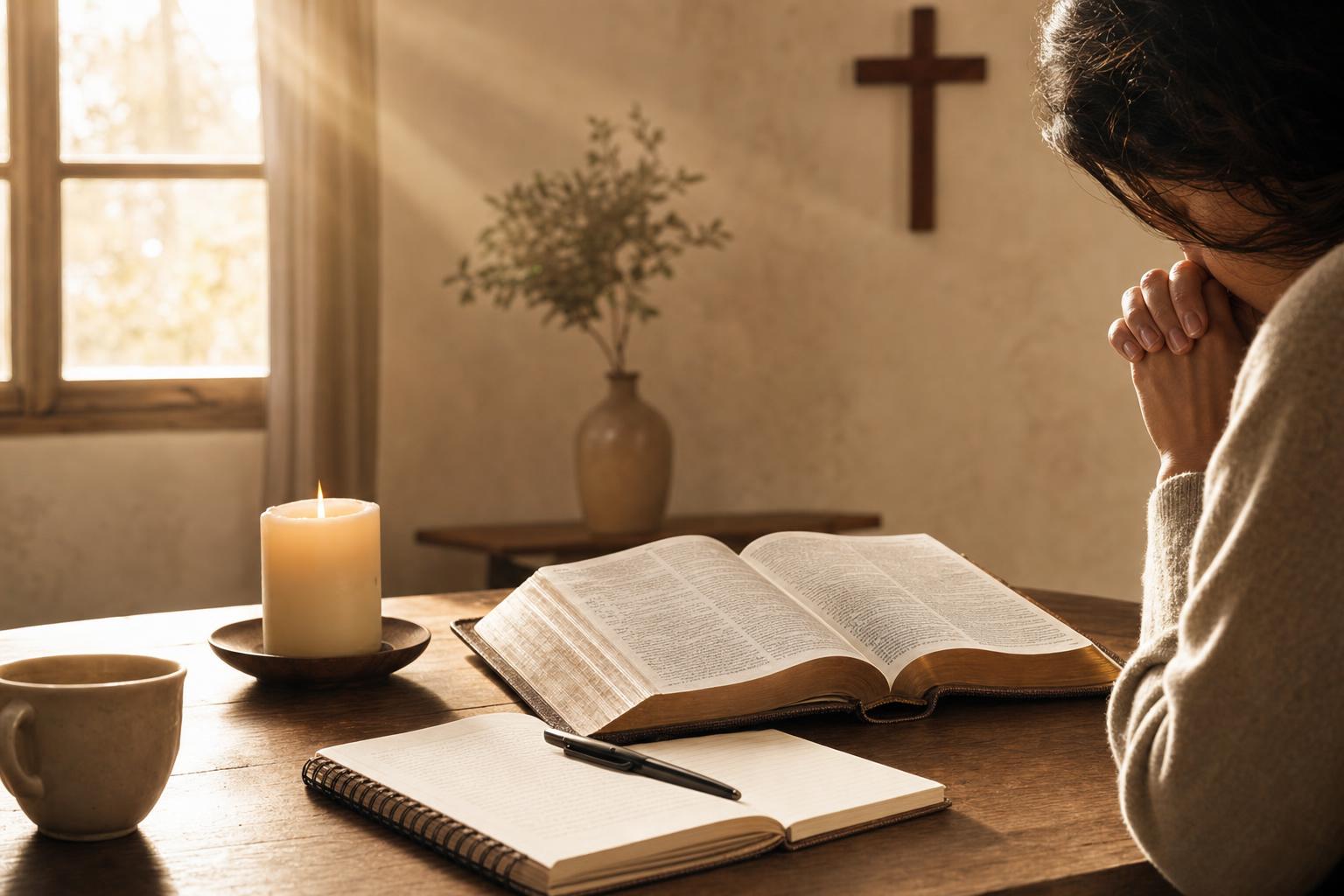
The 4 steps of lectio divina
The classical pattern has four movements. They are simple enough for beginners and deep enough to keep practicing for years.
- Lectio (read). Read a short passage slowly and attentively. Notice the word, image, or phrase that stands out instead of racing to finish.
- Meditatio (meditate). Stay with that word or phrase. Turn it over in your mind. Ask why it caught your attention and where it touches your life right now.
- Oratio (pray). Speak honestly to God about what surfaced. You may respond with gratitude, repentance, desire, grief, trust, or a simple request for help.
- Contemplatio (contemplate). Rest quietly in God's presence. Instead of adding more words, stay still and let the passage remain with you.
Some Christians also talk about a fifth movement of action: carrying one concrete response into the day. That can be helpful, but the classic four steps are enough for starting well.
How to practice lectio divina step by step
A beginner-friendly lectio divina time can be as short as ten to twenty minutes.
- Choose a short passage. Three to eight verses is enough. A Psalm, a Gospel scene, or a short section from the letters works well.
- Get quiet. Sit somewhere without much noise. Take a breath. Ask the Holy Spirit to open your heart and steady your thoughts.
- Read the passage slowly. Read it once to understand it. Read it again more slowly. If one phrase keeps drawing you back, stay there.
- Do not force a result. You do not need a brand-new insight every time. Patient attention is part of the practice.
- Answer God in prayer. Turn what you noticed into a direct response. Keep it honest and simple.
- End in silence. Sit quietly for a moment. Then carry one line, one question, or one act of obedience into the rest of your day.
This kind of prayerful reading does not replace careful interpreting Scripture, but it does help the word move from understanding into devotion.
A simple lectio divina example
If you want a very short passage to start with, 1 Samuel 3:10 is a good one: "Speak, Lord, for your servant is listening."
Here is what the four steps might look like with that verse:
- Read: Notice the word listening.
- Meditate: Ask where your attention has been scattered, rushed, or closed off to God.
- Pray: "Lord, quiet me. Help me stop filling every silence with my own voice. Teach me to listen."
- Contemplate: Sit still with the word listening for a minute or two. Let it stay with you instead of reaching for more words.
When you finish, take one simple response into the day. Maybe that means setting aside five quiet minutes tonight. Maybe it means opening Scripture again before bed. Maybe it means slowing down enough to notice where God is already calling you.
If you want another short starting place tomorrow, the random Bible verse tool or Bible verses about reflection, meditation, and abiding in God can give you an easy next passage.
What passages work well for lectio divina?
Short passages usually work best, especially at first. Good starting options include:
- a short Gospel story
- a few verses from a Psalm
- a brief teaching of Jesus
- a short paragraph from one of Paul's letters
Many beginners do well starting with the Gospels because the scenes are concrete and easier to stay with. Psalms also work well because they already sound like prayer. If you want a gentle place to begin, try a Gospel healing story, a Psalm of trust, or a passage about abiding in God or reading the Bible.
At the beginning, avoid taking on long complicated chapters. Lectio divina is not about covering ground. It is about letting one small part of Scripture become personal and prayerful.
Where did lectio divina come from, and is it only Catholic?
Lectio divina is deeply rooted in early Christian monastic life, especially in the Benedictine tradition of slow, reverent sacred reading. Over time the four-step pattern was described more clearly in the Western church through the language of lectio, meditatio, oratio, and contemplatio.
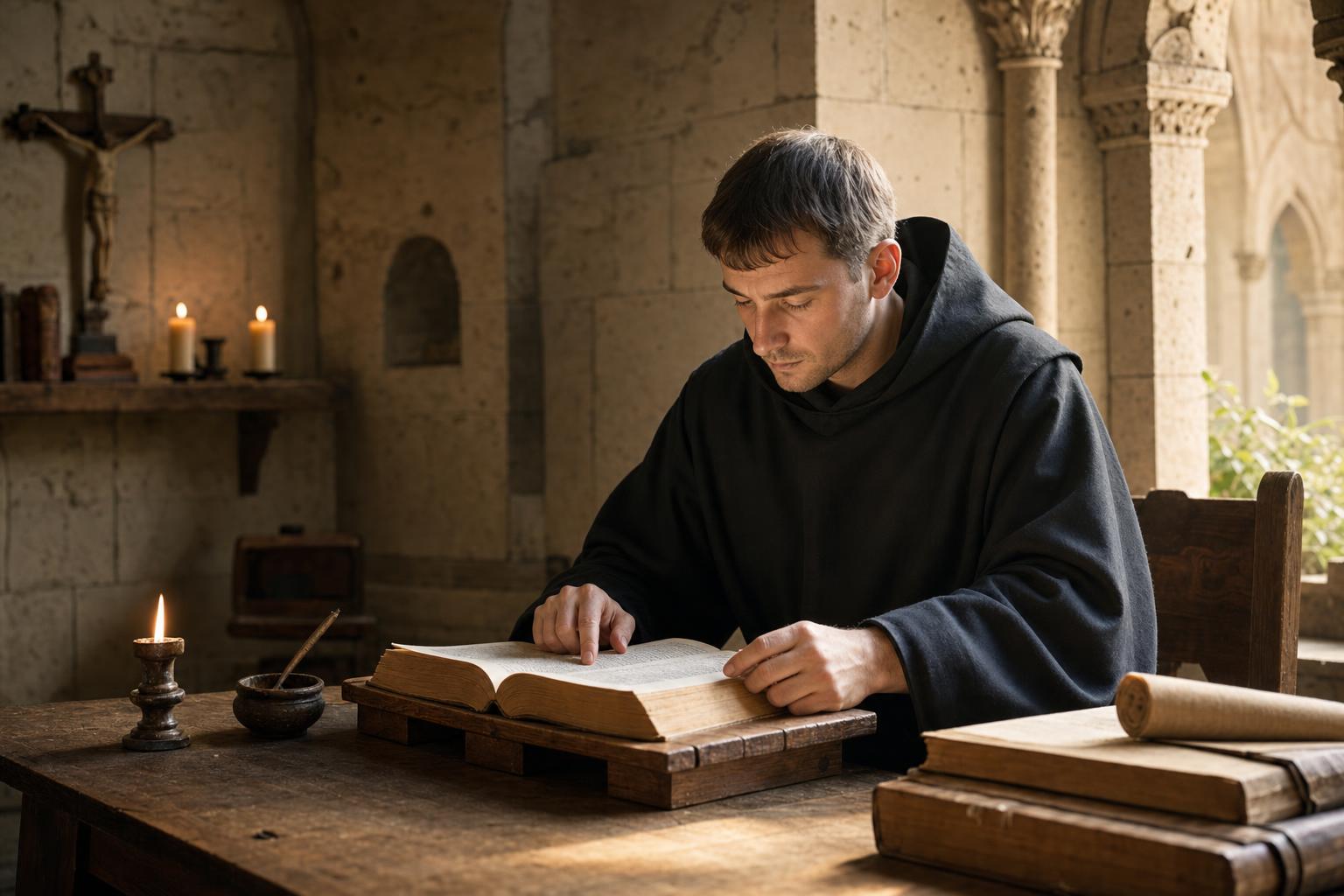
That history means lectio divina has strong Catholic roots. But it is not useful only for Catholics. Many Anglicans, Protestants, and other Christians practice similar prayerful reading of Scripture because the basic movement is simple and biblical: read, listen, answer, and remain with God. In that sense, lectio divina is best understood as a Christian way of praying with Scripture, not as a technique reserved for specialists.
What matters most is the purpose behind it. Lectio divina helps Scripture become conversation and response. It is a slower companion to Bible study, not an escape from the Bible's real meaning.
Tips for beginners
A few small habits make lectio divina much easier to keep:
- Start with a short passage and a short timer. Ten minutes done faithfully is better than thirty minutes that never happen.
- Return to the same line if needed. You do not have to cover more verses just to feel productive.
- Write one sentence afterward. A notebook line like "Today the word was trust" is enough.
- Expect quiet days. Some days feel clear. Some do not. Do not treat silence as failure.
- Let the practice shape the day. A short prayer, one act of obedience, or one remembered verse is enough fruit for one session.
If you want to build a steadier rhythm, pair lectio divina with a daily devotional, a short prayer for listening, or a regular Bible-reading habit that keeps Scripture in front of you.
Helpful PrayersFor resources for lectio divina
PrayersFor already has a few resources that fit naturally with this practice. If you want a simple place to begin, try the daily devotional or random Bible verse. If you want to stay on the same theme, keep Bible verses about meditation, peace, and understanding the Word of God nearby. Those are good companions when lectio divina starts opening new questions in prayer.
A short prayer before lectio divina
Lord, open Your word to me and open my heart to You. Quiet my distractions, give me a listening spirit, and teach me to receive what You are saying with humility, peace, and trust. Let Your word move from my mind into my prayer and from my prayer into my life. Amen.

