
Meaning of Numbers in the Bible: Key Symbols Explained
When people talk about the meaning of numbers in the Bible, they are usually asking whether certain numbers carry a pattern, theme, or spiritual emphasis beyond simple counting. The short Christian answer is yes: some numbers in Scripture do show up often enough that they take on a recognizable meaning, but the meaning comes from the passage and the larger Bible story, not from a secret code book.
That is why biblical number meanings should be handled carefully. The Bible uses numbers in history, law, poetry, prophecy, and teaching, so some are just literal counts, while others also carry symbolic weight. If you want a verse roundup on the cautions around this subject, PrayersFor already has a helpful page on numerology.
What does it mean when numbers matter in the Bible?
When numbers matter in the Bible, they usually help underline a theme the passage is already teaching. They can signal fullness, testing, covenant order, witness, judgment, or renewal. In other words, numbers do not replace the meaning of the text. They reinforce it.
A good example is the number forty. Forty days or forty years still describe real time, but the number also keeps appearing in seasons of testing, waiting, and preparation. The same kind of pattern shows up with seven, twelve, and other repeated numbers. The point is not mathematical mystery for its own sake. The point is that Scripture often uses repeated numbers in memorable ways.
So the safest definition is this: biblical numbers matter when the Bible itself repeats them in ways that clearly support the message of the passage.
Do all numbers in the Bible have a hidden meaning?
No. That is where many readers get off track.
Some numbers in the Bible are simply counting people, years, animals, cities, or measurements. Others may have symbolic force, but even then, the Bible does not treat every number like a secret code waiting to be cracked. Christians need biblical wisdom here, because the clearest meanings come from context, repetition, and author emphasis, not from guesswork.
This is also why biblical patterns should not be confused with modern superstition, fortune-telling, or so-called angel number style claims. Scripture does sometimes give numbers real significance, especially in places like Daniel and Revelation, but it still expects readers to stay anchored to the text itself. The Bible gives patterns, not a universal dictionary for every number from 1-100.
Common biblical numbers and what they often represent
The numbers below are some of the most discussed because they repeat often and are tied to clear biblical patterns.
Three
The number three is often connected with emphasis, testimony, or a complete turning point in the story. Christians especially think of Jesus rising on the third day, which gives the number a strong association with fulfillment and God's saving action. PrayersFor also has a deeper verse page on the number 3 if you want to study that theme further.
Seven
Seven is probably the most recognized biblical number. It is regularly tied to completeness, fullness, and rest. The creation week in Genesis is the clearest example: God completes His work and sets apart the seventh day. Revelation also uses repeated sevens to show the fullness of God's purposes and judgments. For a verse-led companion page, see PrayersFor's roundup on the number 7.

Eight
Eight is often linked with renewal, a fresh start, or a new beginning. Readers commonly connect it with the eighth-day pattern in circumcision and with Noah's family of eight passing through judgment into a new beginning. It is not as dominant as seven, but it is still a number many Christians notice in Scripture. PrayersFor has a separate page on number 8 if you want those verses gathered in one place.
Ten
Ten often carries the idea of completeness in moral order, responsibility, or testing. The Ten Commandments are the clearest example. The ten plagues in Exodus also show a full, decisive display of God's judgment against Egypt.
Twelve
Twelve is strongly associated with the people of God in an ordered, covenant sense. The twelve tribes of Israel and the twelve apostles are the clearest examples. When twelve appears, it often points to God's people, God's arrangement, or covenant leadership.
Forty
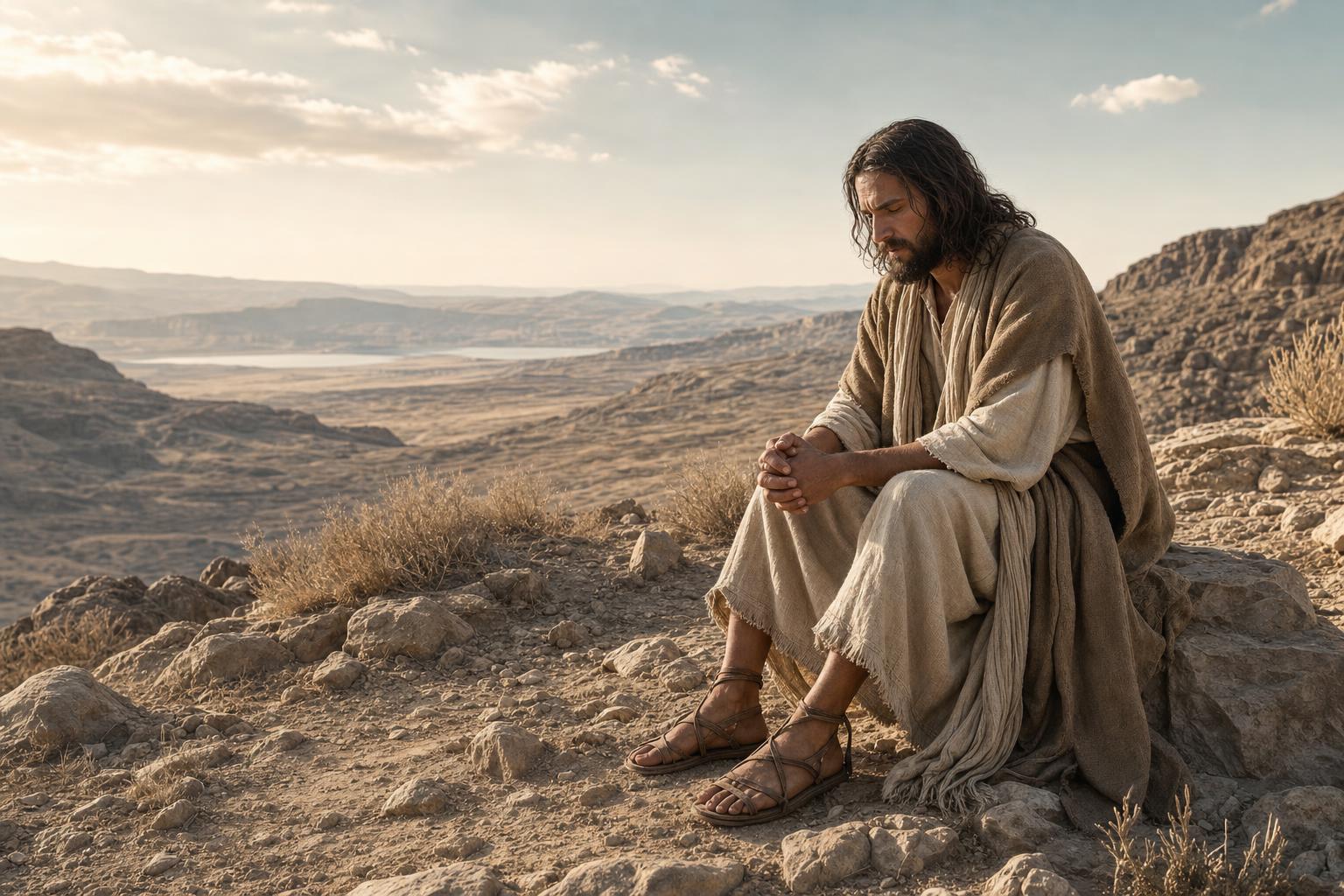
Forty often marks testing, preparation, transition, or waiting under God's hand. Israel spends forty years in the wilderness. Moses spends forty days on Sinai. Jesus fasts for forty days in the wilderness before His public ministry. The repeated pattern makes forty one of the clearest symbolic numbers in the Bible.
Six hundred sixty-six
Revelation 13:18 gives six hundred sixty-six as the number of the beast. Christians have long connected it with human rebellion, falling short, and opposition to God. This is one of the few places where the Bible directly calls attention to the meaning of a number, which is why it receives so much attention. Even here, the safest reading stays tied to Revelation's message about counterfeit power and resistance to God, not endless speculation.
How should Christians read biblical numbers wisely?
A simple way to read biblical numbers well is to ask four questions.
- Is the number clearly important in this passage, or is it simply part of the count?
- Does the same number repeat elsewhere in Scripture with a similar pattern?
- What is the author trying to emphasize in the chapter or book?
- Does the meaning fit the plain message of the text, or does it depend on speculation?
Those questions keep the reader grounded. They also protect against two common mistakes: ignoring repeated biblical patterns completely, or turning every number into a hidden message. The healthiest Christian approach is between those extremes. Notice what Scripture highlights, but do not force the Bible to say more than it says.
Key Bible passages where numbers clearly matter
If you want to see the strongest examples for yourself, start with passages like these:
- Genesis 1-2 - the seven-day creation pattern and the seventh day of rest.
- Exodus 20 - the Ten Commandments.
- Matthew 4:1-2 - Jesus fasting forty days in the wilderness.
- Acts 1:15-26 and Revelation 21 - the importance of twelve around God's people.
- Revelation 13:18 - the number 666 and the beast.
These passages show why Christians talk about biblical number meanings in the first place. The meanings come from repeated scriptural patterns, not from private symbolism disconnected from the text.
A short prayer for wisdom in reading Scripture
Lord, give me wisdom when I read Your Word. Help me notice what You truly emphasize, but keep me from forcing meanings that are not there. Teach me to love Scripture, trust Your truth, and read with humility, clarity, and faith. In Jesus' name, amen.

