
Who Are the Israelites in the Bible? Meaning and History
The Israelites in the Bible are the descendants of Jacob, the man God renamed Israel. In Scripture, they become the people formed from Abraham's family line, the twelve tribes descended from Jacob's sons, and the covenant nation God brings out of Egypt and leads through the Old Testament story.
That is why the Israelites matter so much in the Bible. Their story is not a side detail. It is the backdrop for the Exodus, the covenant at Sinai, the law, the judges, the kings, the prophets, the exile, and the return. If you are asking who the Israelites were, the short answer is this: they were the people descended from Jacob / Israel, chosen by God for covenant purpose, and central to the Bible's unfolding story.
What does the name Israelites mean?
The name points back to Jacob, because God changed Jacob's name to Israel. Once that happens in Genesis, his descendants can naturally be called the children of Israel or the Israelites.
That matters because the Bible is not using the term for a random ancient people group. It is naming a family line that grows into a covenant people. The Israelites are the descendants of Israel, meaning Jacob, and the phrase stays tied to that identity throughout the Old Testament story.
The Bible also connects that identity to the twelve tribes. Jacob's sons become the family heads from whom those tribes are traced, so the Israelites are often described as the twelve tribes of Israel.
Where did the Israelites come from?
The Israelites come from the promise line that begins with Abraham. God called Abraham, promised to bless him, and said that through his offspring the nations would be blessed. That promise then continues through Isaac and then through Jacob.
Jacob is the key turning point for the name itself. In Genesis, God changes Jacob's name to Israel. From that point on, the phrase children of Israel makes sense in the most direct way possible: they are the descendants of Israel, meaning Jacob.
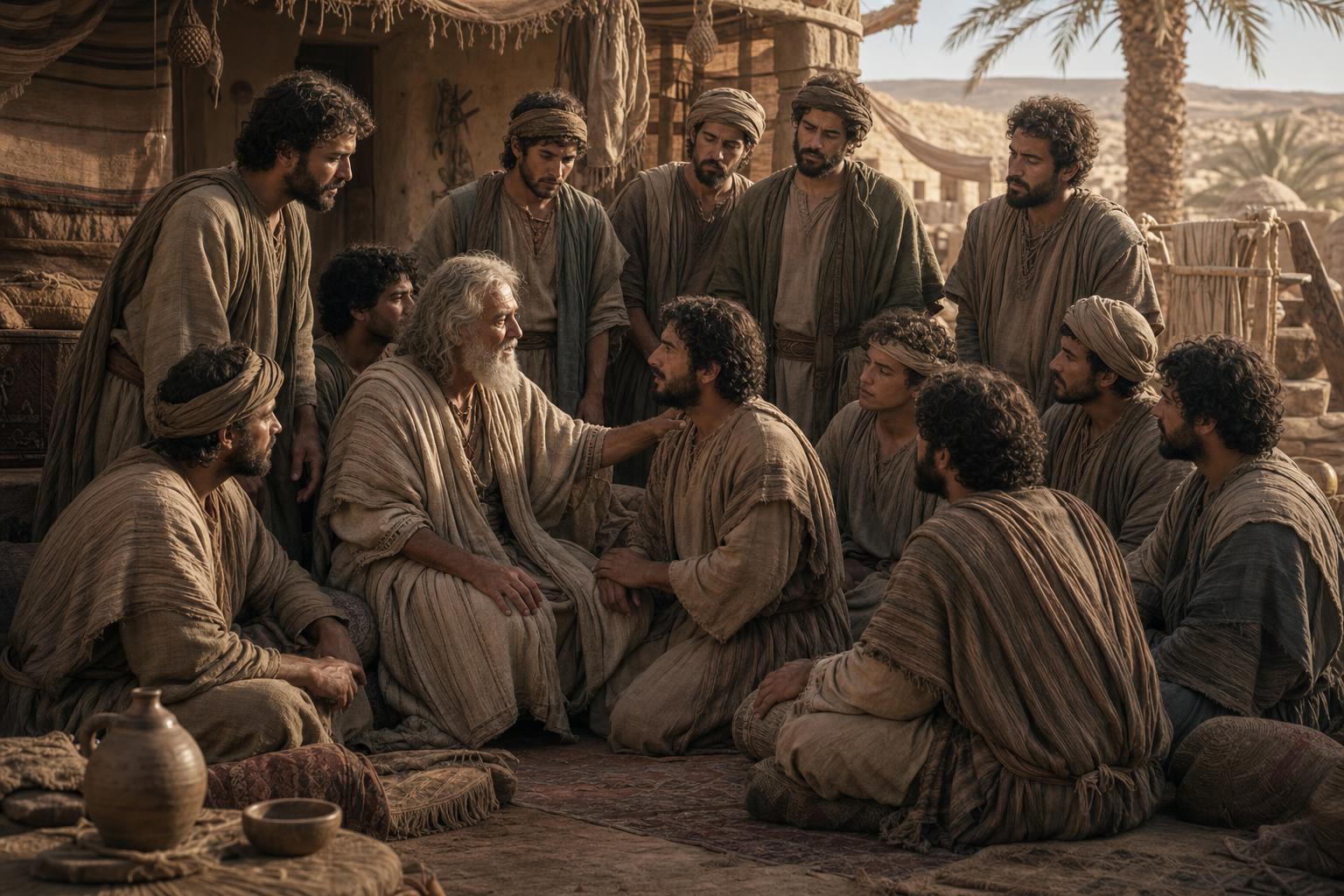
Jacob's family is also where the twelve-tribe structure begins. His sons become the tribal heads in Israel's story. That is why the Israelites are often described as the twelve tribes of Israel. So when readers ask who the Israelites were, the answer begins with one family before it expands into a people.
How did the Israelites become a nation?
The Israelites begin as a family line, but they become a nation through the long story of Egypt, Exodus, covenant, and wilderness formation.
Genesis ends with Jacob's family in Egypt because of Joseph. By the opening of Exodus, that family has multiplied greatly. Then their situation changes: they are oppressed, enslaved, and eventually cry out to God for deliverance. That is where the story of Moses in the Bible becomes so important.
Through Moses, God brings the Israelites out of Egypt. The Exodus is one of the biggest turning points in the Bible because it shows God rescuing His people, judging their oppressors, and making His covenant identity visible in history.
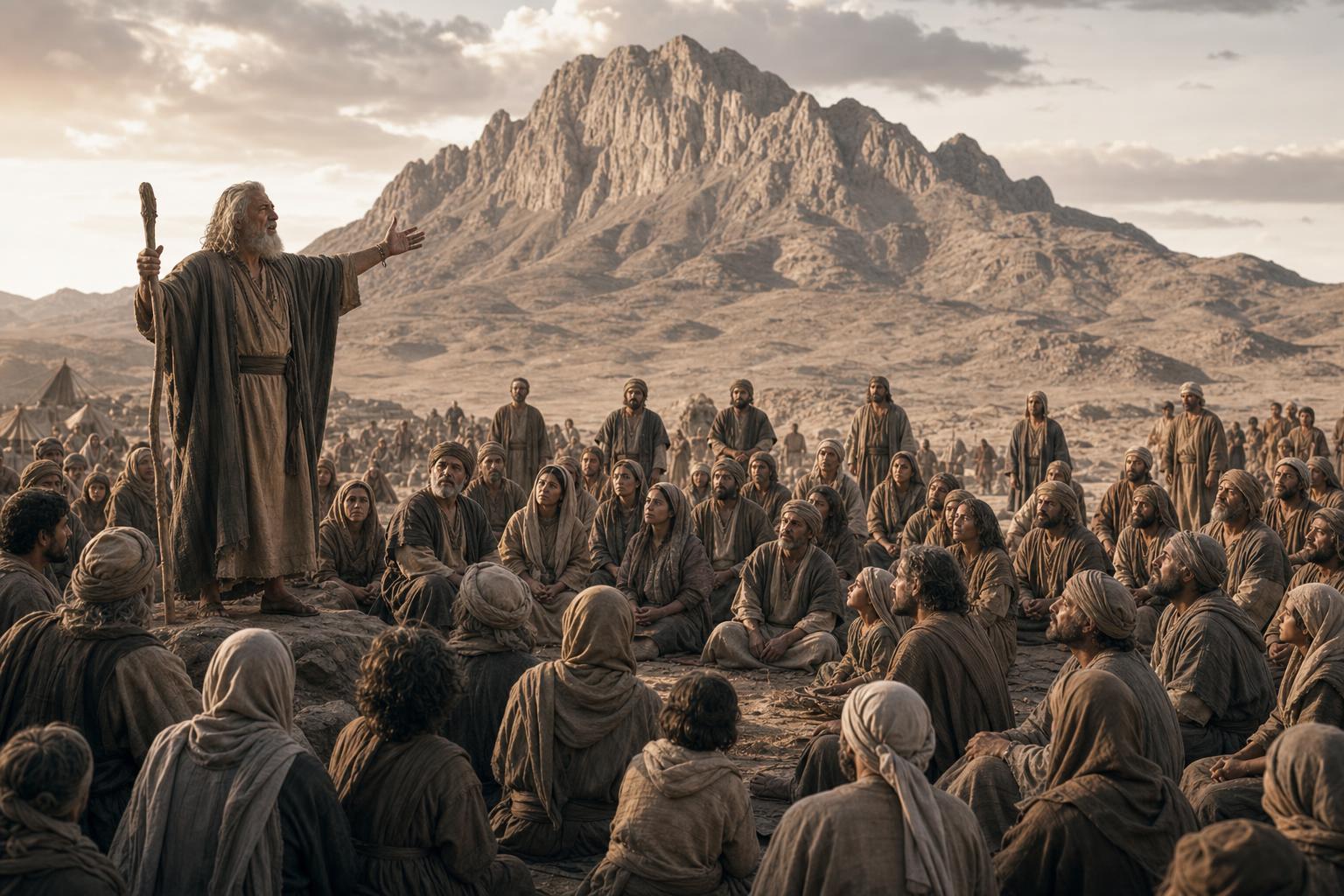
After that, Sinai becomes the next major turning point. There God gives Israel His covenant law and calls them His treasured possession, a kingdom of priests, and a holy nation. That is why the Israelites are not only a biological family line. They are also a covenant people shaped by God's word, worship, and calling. If you want one companion page for that part of the story, PrayersFor already has Bible verses about the Ten Commandments.
Why are the Israelites so important in the Bible?
The Israelites are important because so much of the Bible's main storyline runs through them.
They are the people through whom God reveals His covenant, His law, His patience, His holiness, His discipline, and His mercy. Their story includes the tabernacle, the land promise, the judges, the rise of kings, the ministries of the prophets, the division of the kingdom, exile, and return. In other words, you cannot understand the shape of the Old Testament without understanding who the Israelites are.
They are also important because Scripture describes them as God's chosen people. That language can be misunderstood if it is handled carelessly. In Deuteronomy, God makes clear that Israel was not chosen because they were the biggest or strongest nation. They were chosen because of His covenant love and faithfulness. So chosenness in the Bible is not a statement of moral superiority. It is a statement about God's promise, purpose, and relationship.
For Christians, the Israelites also matter because the Bible's redemptive story keeps moving through Israel's history. The line of promise, the kingdom story, the prophets, and the hope of the Messiah all connect back to Israel. That is one reason Bible readers who study the Israelites often end up tracing related figures like Judah in the Bible and later kings such as Solomon in the Bible.
Are Israelites, Hebrews, and Jews the same thing?
They overlap, but they are not always exact synonyms.
Hebrew is often the broader earlier label, especially around the patriarchs and the Egypt story. Israelite is the clearest name for the descendants of Jacob after he is renamed Israel, especially when the Bible is emphasizing the people as the covenant nation. Jew becomes the more common later term, especially after the importance of Judah and the later history of Judea.
So the safest beginner summary is this:
- Hebrew often points to the earlier ethnic / family identity.
- Israelite points to the descendants of Israel and the covenant people of the Old Testament.
- Jew is the later common term, especially tied to Judah and post-exilic history.
That is why this article answers the query with Israelites, not Jews, even though the words can overlap in some later contexts.
Key Bible passages about the Israelites
If you want to read the Israelites' story directly in Scripture, these are strong starting places:
- Genesis 12:1-3 - God's call and promise to Abraham.
- Genesis 32:28-29 - Jacob is renamed Israel.
- Exodus 1:1-7 - the children of Israel multiply in Egypt.
- Exodus 19:3-6 - Israel is called God's treasured possession and holy nation.
- Deuteronomy 7:6-8 - God's covenant love explains Israel's chosenness.
- Joshua 24:1-13 - Joshua retells the story from Abraham through conquest.
- 1 Samuel 8:4-9 - Israel asks for a king.
- 2 Kings 17:6-23 - the fall of the northern kingdom shows the seriousness of covenant unfaithfulness.
If you want a simple next step after those passages, this Bible reading plan can help you keep the larger storyline in view.
What can Christians learn from the Israelites today?
The Israelites teach readers at least three lasting lessons.
First, they show that God is faithful across generations. He does not forget His promises even when the story gets messy, slow, or painful.
Second, they remind readers that privilege does not remove the need for obedience. Israel saw extraordinary acts of God, yet Scripture still records unbelief, idolatry, fear, and rebellion. That makes their story both encouraging and sobering.
Third, the Israelites show why remembering God's works matters. Again and again, the Bible calls God's people to remember who He is, what He has done, and what kind of people they are meant to be in response.
If you want a slower way to sit with those themes, lectio divina is a good companion practice.
A short prayer after reading about the Israelites
Lord, thank You for the way Your word tells one faithful story from generation to generation. As I read about the Israelites, help me see both Your covenant faithfulness and the warning against unbelief and hard-heartedness. Give me understanding, humility, and a willing heart to follow You more faithfully. Please guide me as I read Scripture and help me remember what You have done. Amen.
If you want to keep praying after this, a simple prayer for guidance is a natural next step.

