
Who Is Judah in the Bible? Story and Tribe
Judah in the Bible is the fourth son of Jacob and Leah, one of Joseph's brothers, and the ancestor of the tribe of Judah. He matters far beyond one family story because his line later leads to King David and, in the New Testament, to Jesus Christ.
That makes Judah more important than many readers first realize. His story begins with jealousy, compromise, and serious moral failure, but it does not stay there. Scripture shows Judah changing, taking responsibility, and becoming a key figure in Israel's story. Judah is also not the same person as Judas in the Bible, even though the names look similar in English.
Who was Judah in the Bible?
Judah was one of the twelve sons of Jacob and the fourth son born to Leah. Genesis first introduces him in the family of the patriarchs, long before there was a nation called Israel in the full later sense. So when people ask who Judah is in the Bible, the first answer is simple: Judah was a real man in Genesis before his name later became the name of a tribe and then a kingdom.
His name is tied to praise. In Genesis 29:35, Leah says, "This time I will praise the Lord," and names her son Judah. That small detail matters because it gives readers a fast anchor point for his identity and shows that Judah belongs in the story of Jacob's household from the beginning.
So the shortest answer is this: Judah was Jacob and Leah's fourth son, Joseph's brother, the forefather of the tribe of Judah, and part of the family line that leads to David and Jesus.
What did Judah do in the Bible?
The first major action most readers remember is Judah's part in Joseph's story. When Joseph's brothers turned against him, Judah suggested that they sell Joseph rather than kill him. That choice spared Joseph's life, but it was still a betrayal driven by envy and self-interest, not an act of righteousness.
That is important because Judah is not introduced as an obvious hero. Scripture lets readers see him as he really was: a flawed man capable of harming his own brother. His story only makes sense if that honesty stays in view.
Judah's name also stays connected to the larger family crisis that follows. Joseph is taken to Egypt, Jacob grieves, and the brothers carry the weight of what they have done for years. That earlier failure becomes the background for Judah's later change.
What happened with Judah and Tamar?
Genesis 38 adds another difficult but important part of Judah's story. After leaving his brothers for a time, Judah married and had sons. When Tamar, his daughter-in-law, was left unprotected in a vulnerable position, Judah failed to do right by her. The chapter exposes his hypocrisy, poor judgment, and moral blindness.
That is why Genesis 38 matters so much. It is not a random interruption in the Joseph story. It reveals what kind of man Judah still was at that point in his life. He had already participated in betraying Joseph, and now he also failed Tamar while acting as though he had the right to judge her harshly.
The turning point comes when Tamar proves that Judah himself is responsible for her pregnancy. Instead of continuing the lie, Judah admits the truth and says, "She is more righteous than I." That confession does not erase his sin, but it does show the beginning of moral clarity.
This chapter matters even more because Tamar gives birth to Perez and Zerah, and Perez later appears in the family line that leads to David and then to Jesus. In other words, Judah's story is not only about failure. It is also about God's larger purpose moving forward through broken people and broken situations.
How did Judah change?
The clearest proof of Judah's change appears later in the Joseph narrative. When famine forces Jacob's sons to return to Egypt, Judah steps forward and personally guarantees Benjamin's safety. That is already different from the man who once helped sell one favored son away.
His strongest moment comes in Genesis 44. After Joseph sets the stage to keep Benjamin in Egypt, Judah gives a long, urgent speech and offers himself in Benjamin's place. He would rather become a slave than let his younger brother be taken and his father be crushed again by grief.
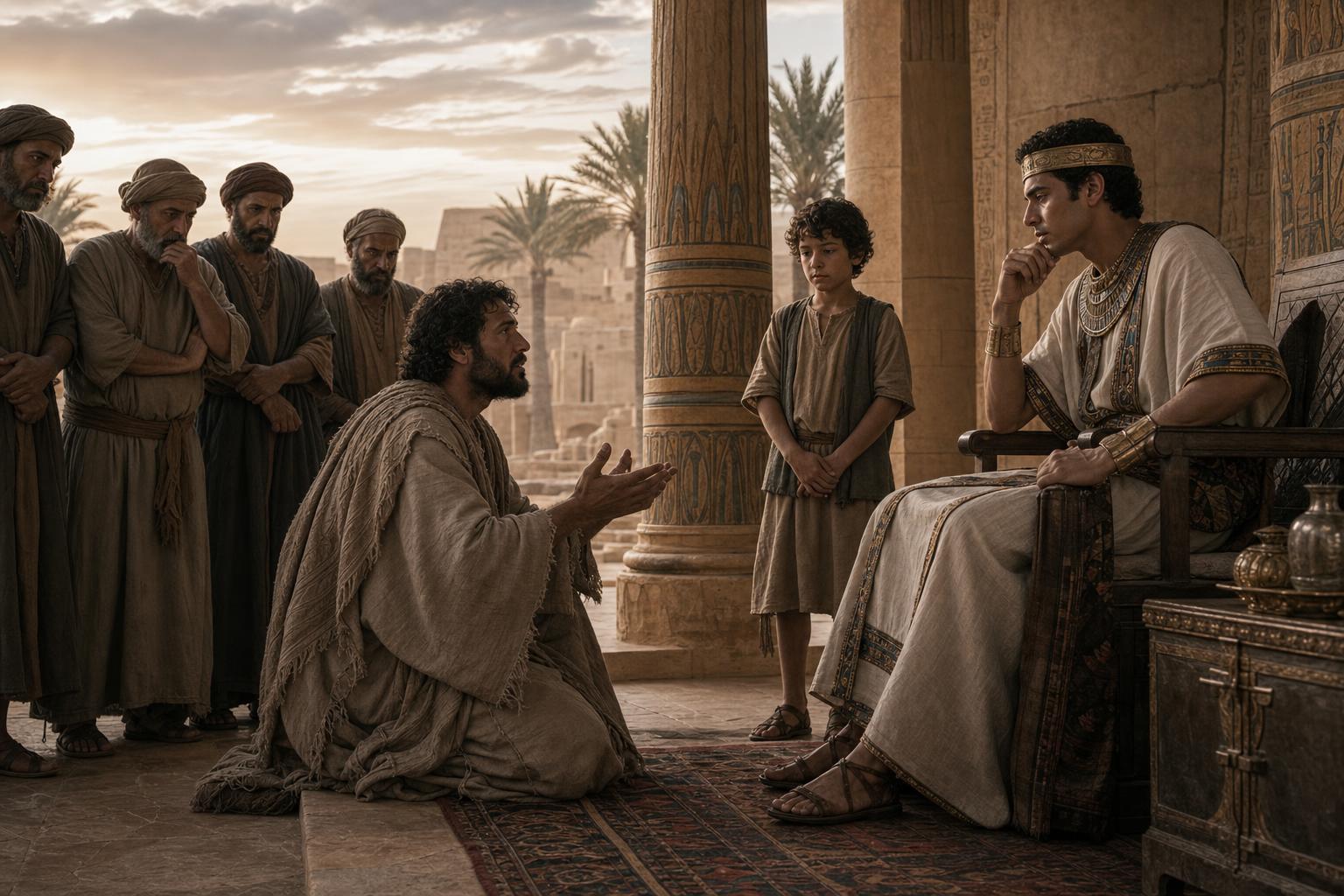
That is the moment many readers miss if they only remember Judah for Joseph's betrayal. Judah's story moves from helping to destroy a brother's future to offering his own future for a brother's freedom. It does not make his earlier sins disappear, but it does show real change.
That change is also why Judah starts to stand out as a leader in the family. Later in Genesis, Jacob sends Judah ahead as the family prepares to settle in Egypt. By then, Judah is no longer only the brother who failed badly. He has become the brother who takes responsibility seriously.
Why was Judah so important in the Bible?
Judah becomes especially important because Jacob's final blessing gives him a unique place among the brothers. In Genesis 49, Jacob speaks of Judah with lion imagery and says that the scepter will not depart from him. That blessing becomes the foundation for Judah's royal significance.
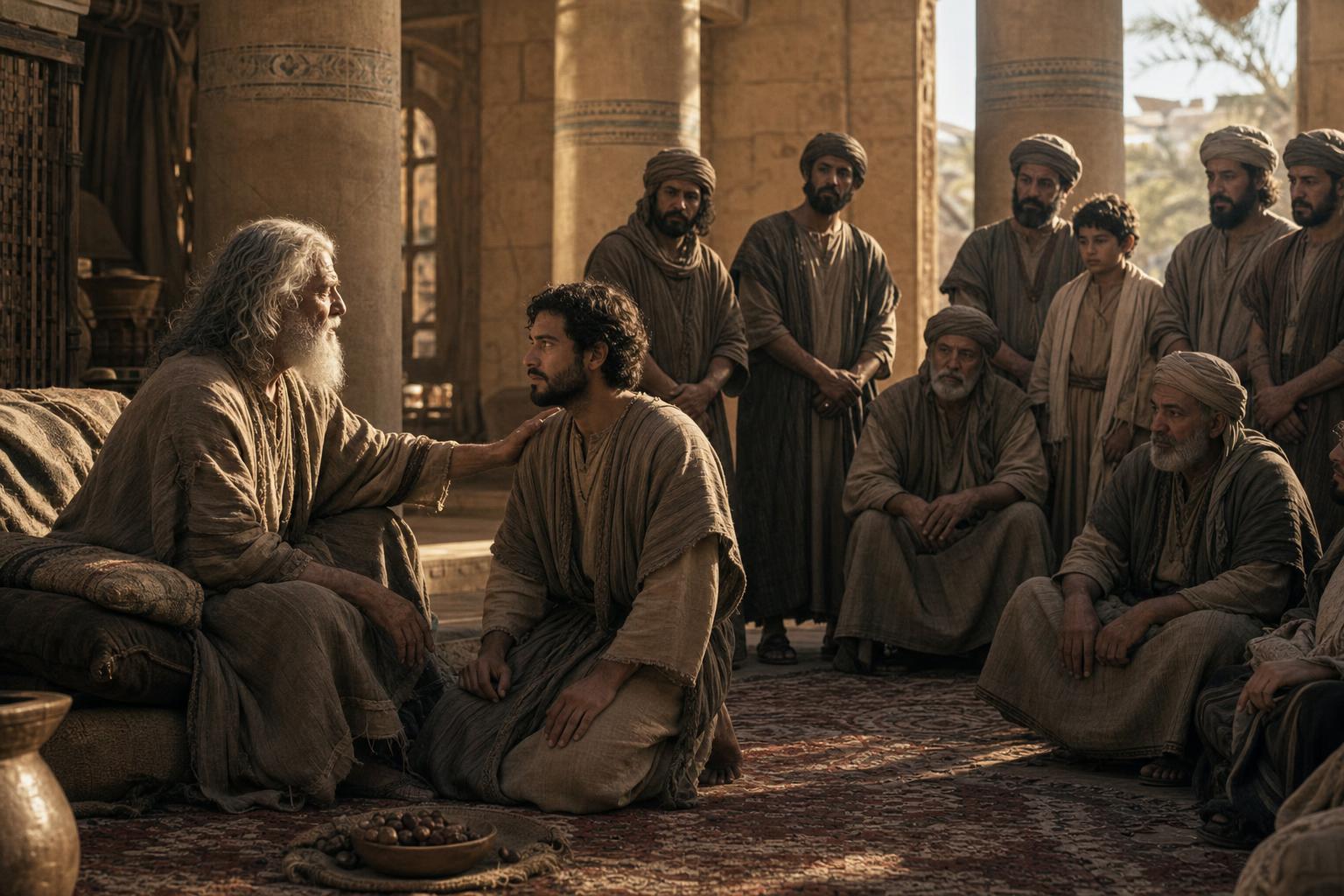
One common question is why Judah, not Joseph, receives that kind of royal promise. Scripture does not say Judah was chosen because he was the most naturally righteous brother. In fact, Genesis makes the opposite point early on. Judah mattered because God chose to work through a flawed man who was brought to repentance and responsibility, then attached royal promise to his line.
That line later includes the kings of Judah, including Solomon in the Bible. It also runs through Perez and onward into the family line that eventually includes Ruth and Boaz, David, and Jesus. That is why Revelation calls Jesus "the Lion of the tribe of Judah."
So Judah is important for at least three reasons. First, his own story shows one of Genesis's clearest pictures of moral change. Second, his descendants become the tribe and royal house that shape much of Israel's later story. Third, Christians see Judah's line as part of the path that leads to Christ.
Is Judah the same as the tribe or kingdom of Judah?
Not exactly. Judah is first the man in Genesis. The tribe of Judah is the tribe descended from him. Much later, after Israel's monarchy divides, the southern kingdom takes the name Judah because the tribe of Judah becomes its leading identity.
That is why the Bible can use the same name in more than one way. Sometimes "Judah" means Jacob's son. Sometimes it means his descendants as a tribe. Sometimes it means the later kingdom centered around Jerusalem. On this page, the main focus is Judah the person, while still explaining how the later tribe and kingdom grow out of his story.
That distinction also helps with one more common confusion: Judah is not Judas, and Judah the man is not automatically the same thing as every later use of the word "Judah" in the Bible. The context tells readers which meaning is in view.
Key Bible passages about Judah
If you want to read Judah's story directly in Scripture, these are strong starting places:
- Genesis 29:35 - Judah is born and his name is tied to praise.
- Genesis 37:26-27 - Judah suggests selling Joseph.
- Genesis 38:1-30 - Judah, Tamar, and the birth of Perez and Zerah.
- Genesis 43:8-9 - Judah guarantees Benjamin's safety.
- Genesis 44:18-34 - Judah offers himself in Benjamin's place.
- Genesis 46:28 - Jacob sends Judah ahead into Egypt.
- Genesis 49:8-10 - Jacob blesses Judah with lion and scepter imagery.
- Matthew 1:3 - Judah appears in Jesus' genealogy through Perez.
- Revelation 5:5 - Jesus is called the Lion of the tribe of Judah.
Taken together, those passages show the full shape of Judah's story: family identity, serious sin, repentance, leadership, royal promise, and lasting biblical significance.
A short prayer after reading about Judah
Lord, thank You for showing that You do not only work through perfect people. Teach me to confess my sin honestly, take responsibility for my choices, and grow into the kind of person who protects others instead of harming them. Give me humility when I fail, courage to do what is right, and wisdom to follow Your leading step by step. Please guide my heart closer to You and shape my life for Your purposes. Amen.
If you want to keep praying after this, a simple prayer for guidance is a good next step.

