
Ascension Day: Meaning and Why It Matters
Ascension Day is the Christian observance that remembers Jesus ascending into heaven forty days after His resurrection. It marks the close of His post-resurrection appearances and the church's waiting for Pentecost. Christians celebrate it because the Ascension is not just a goodbye scene. It shows that Jesus reigns, intercedes for His people, and will come again.
In 2026, the classic Thursday observance of Ascension Day falls on May 14. Some churches transfer the celebration to the following Sunday, so readers may also see May 17 mentioned. Either way, the heart of the day is the same: Christ is risen, exalted, and still at work.
When is Ascension Day in 2026?
Ascension Day falls forty days after Easter. Because Easter moves each year, Ascension Day moves with it. In 2026, the traditional Thursday observance lands on May 14.
Some churches, especially in parts of the United States, celebrate the feast on the following Sunday instead. That is why "Ascension Day 2026" and "Ascension Sunday 2026" can both point to the same Christian event. The calendar wording may change, but the meaning does not.
What happened on Ascension Day in the Bible?
Acts 1:1-11 gives the fullest account. After spending forty days with the disciples following the resurrection, Jesus gathered them, reminded them to wait for the promised Holy Spirit, and commissioned them to be His witnesses. Then, as they watched, He was taken up and a cloud hid Him from their sight.
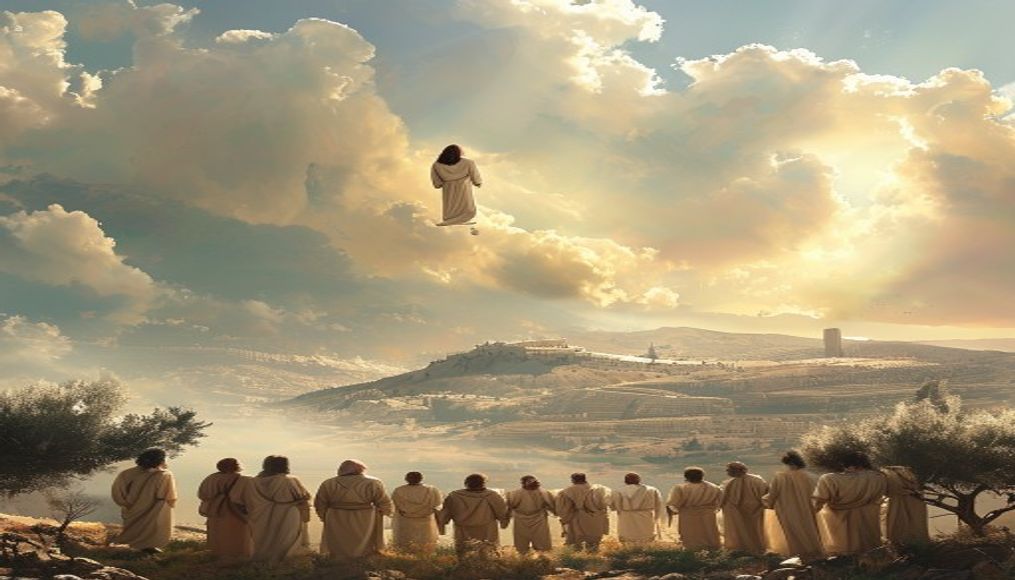
Luke 24:50-53 adds the warm detail that Jesus blessed the disciples as He parted from them. Mark 16:19 adds the language that He was taken up into heaven and sat down at the right hand of God. Together, these passages show that the Ascension was not an abstract spiritual idea. It was a real event in which Jesus, after ascending to heaven, entered heavenly glory in victory.
The setting is connected to Bethany and the Mount of Olives near Jerusalem. The disciples did not respond with despair. Luke says they returned with joy. That matters because the Ascension did not mean Jesus had abandoned them. It meant His work was entering a new phase.
Acts 1 also ties the Ascension to mission. Before Jesus is taken up, He tells the disciples they will receive power and be His witnesses. The day therefore combines departure and commission. Jesus is exalted, and His people are sent forward with hope instead of confusion.
Why do Christians celebrate Ascension Day?
Christians celebrate Ascension Day because the event carries lasting meaning.
- Jesus reigns at the right hand of God. The Ascension shows that Jesus is not only the crucified and risen Savior. He is the exalted Lord. His place in heaven is a place of authority, not distance.
- Jesus still intercedes for His people. The New Testament presents Christ as the One who continues His work for believers. The Ascension reminds Christians that Jesus is not inactive. He still cares, rules, and represents His people before the Father.
- The Ascension points toward the gift of the Spirit. Before Jesus ascended, He told the disciples to wait for the promised Holy Spirit. The Ascension leads directly into that promise being fulfilled.
- The Ascension keeps hope fixed on Christ's return. In Acts 1, the angels tell the disciples that Jesus will come again. Ascension Day therefore looks forward as well as backward. It remembers what happened and strengthens hope for what is still to come.
This is why the day still matters. It is not only a date on the church calendar. It is a reminder that Jesus' earthly ministry did not end in silence. It ended in enthronement, mission, and hope.
The Ascension also keeps Easter from feeling unfinished. The risen Jesus is not left at the edge of the story. He is enthroned, active, and present to His people in a new way.
How is Ascension Day connected to Pentecost?
Ascension Day and Pentecost belong together. The Ascension comes first. Pentecost follows ten days later.
After Jesus ascended, the disciples waited in prayer for the promised Spirit. Pentecost then marks the outpouring of the Spirit and the church's bold public witness. In other words, the Ascension explains why the waiting mattered. Jesus had gone to the Father, and the next great step was the Spirit coming in power.

That connection helps keep Ascension Day from feeling isolated. The day is part of the same resurrection story. Jesus rises, appears to His disciples, ascends in glory, and then sends the Spirit so the church can witness faithfully.
How do Christians observe Ascension Day?
Christians observe Ascension Day in different ways, but the central focus is usually simple: worship, Scripture, prayer, and thanksgiving.
Many churches read Acts 1:1-11, Luke 24:50-53, or other passages about Christ's reign and mission. Some traditions keep a Thursday service. Others mark the day on Sunday. Some believers also spend the days between Ascension and Pentecost in prayer for fresh courage, deeper trust, and clearer dependence on God.
Common readings for the day often include Acts 1:1-11, Luke 24:50-53, Mark 16:19, Ephesians 1:20-23, and Colossians 3:1-4. Together they keep the focus on Christ's reign, the church's mission, and the hope set before believers.
A meaningful personal observance does not need to be complicated. It can be as simple as reading the Ascension passages, thanking Christ for His reign, and asking for the same faithfulness the first disciples needed. The day invites believers to lift their eyes without escaping the work God has given them on earth.
A short prayer for Ascension Day
Lord Jesus, thank You for Your resurrection, Your victory, and Your ascension into glory. Reign over our hearts, strengthen our faith, and teach us to live with hope while we wait on Your help. Fill us with courage to witness faithfully, joy in Your presence, and longing for the day You return. Amen.

