
Blasphemed Meaning in the Bible: Definition and Context
In the Bible, blasphemed means spoke against God with contempt, mockery, reproach, or defiant irreverence. It is the past tense of blaspheme, but in Scripture the idea is much bigger than grammar. The word points to treating God's name, character, or work as something to insult, scorn, or dishonor.
That is why biblical blasphemy is more serious than a careless bad word alone. Scripture uses this language for open defiance against God, false accusations about His work, and even conduct that drags His name into dishonor. At the same time, the Bible does not leave the subject in fear. It also shows why reverence, repentance, and mercy matter.
What does blasphemed mean in the Bible?
The simplest way to understand blasphemed in the Bible is to think of someone speaking about God in a way that is insulting, hostile, or contemptuous. The point is not merely that strong language was used. The point is that something holy was treated as if it were worthy of ridicule or contempt.
That can involve God's name, but it is not limited to His name. In Scripture, blasphemy can reach toward God's character, His authority, His works, and His honor. So when the Bible says someone blasphemed, it means that person crossed into dishonoring God Himself.
This is why the word feels heavier than a simple dictionary gloss. Blasphemed is not only a label for offensive speech. It is Bible language for irreverence that attacks what belongs to God.
Is blasphemy just profanity, or something more?
It is more.
People often hear the word blasphemy and think only of profanity. The Bible's category is broader than that. Profanity can become blasphemous when God's name is treated lightly, mockingly, or with scorn, but biblical blasphemy is not best defined as one careless exclamation by itself.
The stronger idea is contempt toward God. A person blasphemes when he reviles God, mocks Him, denounces Him, or speaks about His works as if they were evil or worthless. That is why Scripture treats blasphemy as a heart-level issue expressed in speech, not just as a vocabulary mistake.
This also helps explain why the Bible takes it so seriously. God's name is not ordinary. His glory is not common. To speak of Him with contempt is to refuse Him the honor He is due. If you want to follow that theme further, PrayersFor already has helpful Bible verses about mocking God.
What does blasphemy look like in Scripture?
The Bible gives several clear examples and contexts that show what blasphemy means in practice.
In Leviticus 24:16, blaspheming the name of the Lord is treated as a grave covenant offense under the law. That passage makes the seriousness unmistakable. Blasphemy was not a small social mistake. It was direct dishonor toward God's holy name.
In 2 Kings 19:22, the king of Assyria is rebuked for reproaching and blaspheming the Holy One of Israel. That scene shows blasphemy as arrogant defiance. The issue is not slang. It is proud speech lifted against God.
In John 10:33, Jesus' opponents accuse Him of blasphemy because they believe He, being a man, makes Himself God. There the word appears as a serious accusation tied to God's honor and identity.
Then Romans 2:24 widens the picture even more: God's name is blasphemed among the Gentiles because of hypocritical conduct. In other words, blasphemy is not only about explicit curses. People can also drag God's name into dishonor by claiming to belong to Him while living in open contradiction to Him.
That broader pattern is one reason a verse roundup like PrayersFor's page on blasphemy can help as a next step. The Bible uses the idea across laws, narratives, accusations, and warnings, but the common thread is always dishonor toward God.
What is blasphemy against the Holy Spirit?
This is the part of the topic that troubles many readers most.
Jesus warns about blasphemy against the Holy Spirit in Matthew 12:31-32, Mark 3:28-30, and Luke 12:10. Mark gives the clearest immediate setting. After the warning, the text explains, "Because they said, He hath an unclean spirit." That detail matters because it ties the warning to a hardened response to God's work in Christ.
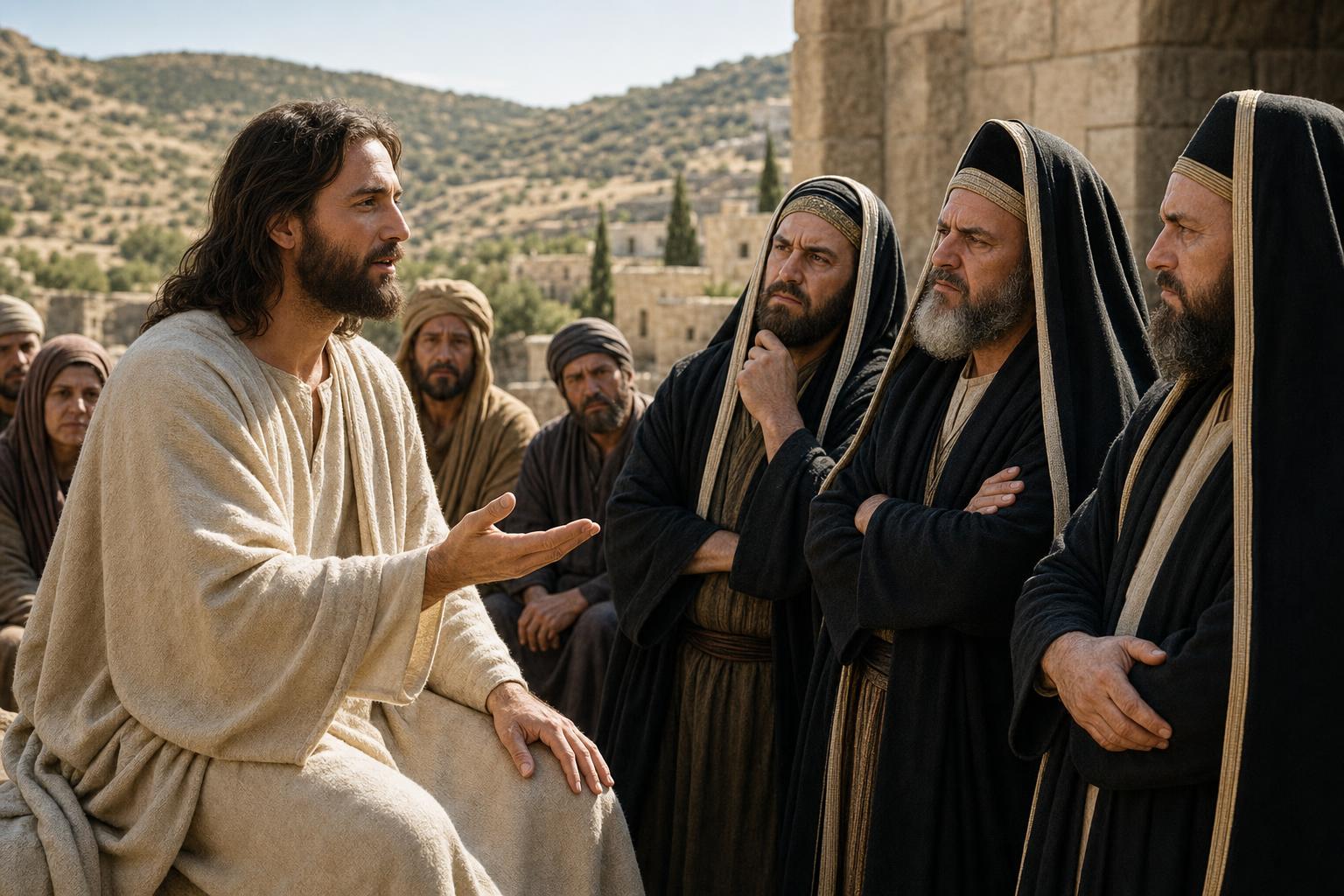
So the passage is not best understood as one frightened believer blurting out one terrible sentence and being shut out forever. The warning is aimed at settled, defiant rejection that sees the Spirit's work and still calls it evil. It is a grave and sobering sin because it refuses God's witness even while standing in front of it.
That does not make the warning small. Jesus means it. But it should be handled carefully. A person who is grieved over sin, wants mercy, and is afraid of being far from God is not showing the same posture as those who harden themselves against the Spirit's testimony.
Can someone who blasphemed be forgiven?
The Bible gives a strong reason to answer with both seriousness and hope.
In 1 Timothy 1:13, Paul says he was formerly "a blasphemer, and a persecutor, and injurious," yet he obtained mercy. That verse does not minimize the sin. It magnifies the mercy of God. Paul had truly sinned, yet Christ met him with grace.
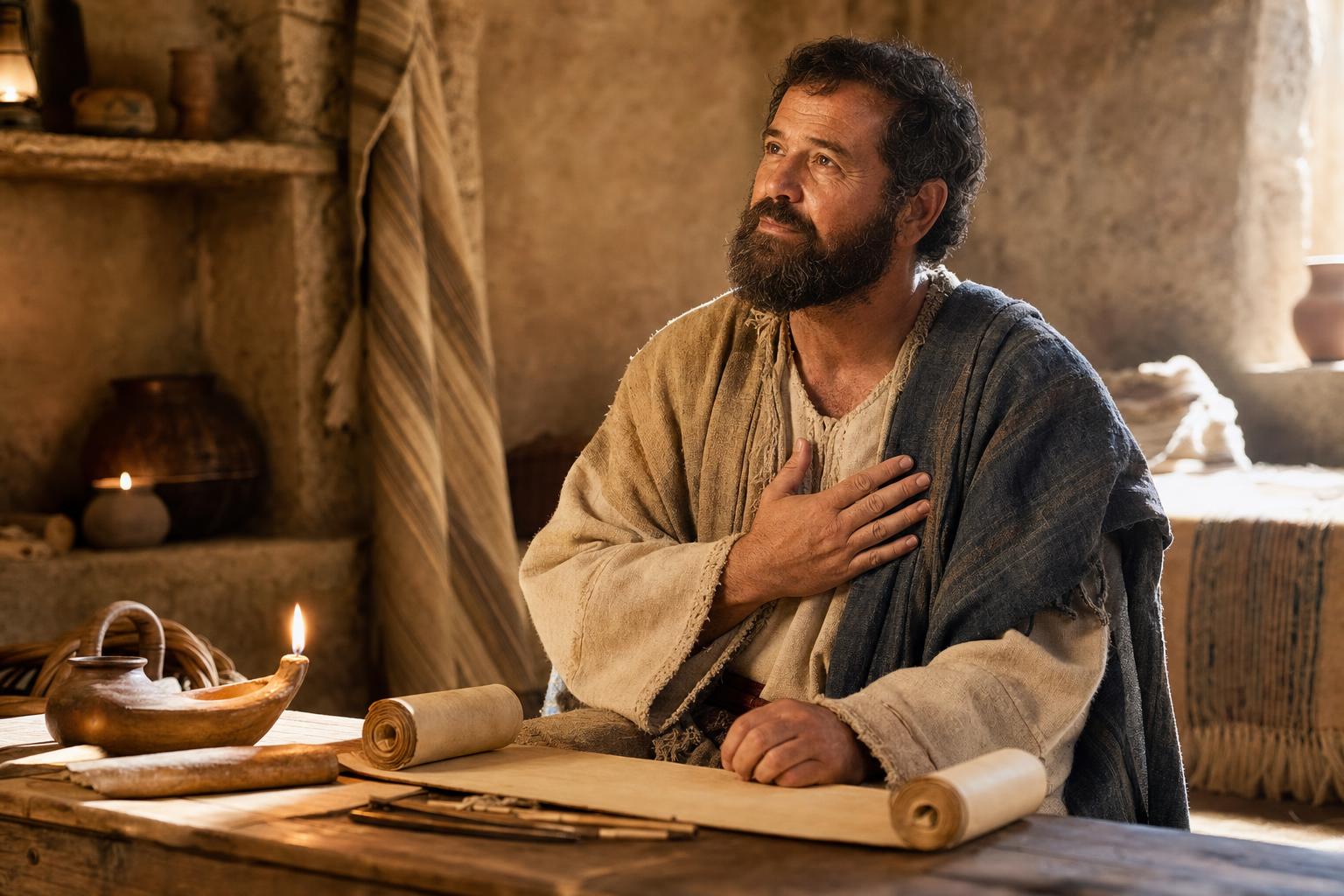
That helps keep the article balanced. Blasphemy is serious, and Scripture never treats God's honor lightly. But the Bible also shows that mercy is real for the sinner who turns to God. The person who confesses sin, seeks Christ, and asks for forgiveness should not stop at despair.
This is where repentance matters. Instead of excusing careless or contemptuous speech, the right response is to turn back to God with reverence. If that is where your heart is today, PrayersFor has gentle next-step resources on repentance, forgiveness, and holiness.
Key Bible passages that explain blasphemy
These passages give the clearest biblical framework for the word:
- Leviticus 24:16 - shows the gravity of blaspheming God's name under the law.
- 2 Kings 19:22 - shows blasphemy as proud reproach against the Holy One of Israel.
- John 10:33 - shows the charge of blasphemy being raised in connection with God's identity.
- Matthew 12:31-32 - records Jesus' warning about blasphemy against the Holy Spirit.
- Mark 3:28-30 - gives the clearest context for that warning.
- Luke 12:10 - reinforces the seriousness of speaking against the Holy Spirit.
- Romans 2:24 - shows that sinful conduct can cause God's name to be blasphemed publicly.
- 1 Timothy 1:13 - shows that a former blasphemer can still testify to God's mercy.
Taken together, these passages show that blasphemy in the Bible means far more than rough language. It is about how God's name, God's work, and God's honor are treated.
The simplest way to understand blasphemed in the Bible
The simplest way to understand blasphemed in the Bible is this:
To blaspheme is to speak about God with contempt or to treat His name and work as dishonorable.
That is why the word carries such weight in Scripture. It warns against mockery, scorn, and hardened irreverence. It also reminds believers to honor God not only in speech, but in the kind of lives they live before others. If you want to keep exploring the wider biblical picture, PrayersFor also has Bible verses about sin and devotional help for walking in reverence.
A short prayer for reverence and mercy
Lord God, forgive every careless, proud, and dishonoring thing that has risen from my heart or my lips. Teach me to fear Your name rightly, to speak of You with reverence, and to turn quickly from sin. Thank You that Your mercy is real through Jesus Christ. Give me a humble heart, clean speech, and a life that honors You. Amen.

