
Cherubs Meaning in the Bible: Cherubim Explained
Cherubs meaning in the Bible is not the same as the soft baby-angel image many people know from paintings and decorations. In Scripture, cherubs - more often called cherubim - are powerful heavenly beings closely tied to God's holy presence.
The Bible places cherubim at some of its most weighty scenes. They guard the way back to the tree of life in the Garden of Eden. They appear over the mercy seat on the ark of testimony. And in Ezekiel's visions, they are connected with the glory and throne imagery of God Himself.
So if you are searching for the meaning of cherubs, the short answer is this: cherubim are not portrayed in the Bible as cute winged babies, but as awe-filled heavenly beings that mark God's holiness, glory, and guarded presence.
What does cherub or cherubim mean in the Bible?
A cherub is a heavenly being in the Bible. Cherubim is the plural form most readers see in biblical discussions, while cherubs is the more familiar English wording many searchers use.
That language point matters because people often search for "cherubs meaning" while the Bible-focused explanation usually uses "cherubim." Both point to the same basic subject.
The most important thing to understand is that the Bible does not introduce cherubim as decorative figures. It introduces them in sacred settings. They show up where God's holiness, presence, and glory are being emphasized.
In later Christian tradition, cherubim are often described as a high order of angels. That idea helps explain why people connect them with angels in general. But the Bible's own emphasis is more concrete: where cherubim appear, what they are associated with, and what their presence says about approaching God.
Where do cherubs appear in the Bible?
Cherubim appear in several major biblical scenes, and those scenes explain their meaning better than a dictionary definition alone.
First, cherubim appear in Genesis 3:24 after Adam and Eve are driven out of Eden. God places cherubim and a flaming sword at the east of the garden to guard the way to the tree of life. That is one of the clearest early clues about their role. They stand at the boundary of holy access.

Second, cherubim appear in the tabernacle and temple. In Exodus 25, God tells Moses to make two cherubim over the mercy seat on the ark. That is why the subject cannot be separated from the ark, the Most Holy Place, and God's meeting presence among His people. The temple later continues that imagery.
Third, cherubim appear in Ezekiel's visions. Ezekiel 1 describes living creatures with multiple faces and wings, and Ezekiel 10 identifies those living creatures as cherubim. If you want the broader verse collection behind that imagery, PrayersFor's page on angels appearance in Ezekiel is a useful follow-up.
Psalms also use throne language around cherubim. Passages such as Psalm 80:1 and Psalm 99:1 speak of God as enthroned above the cherubim, which strengthens the connection between cherubim, divine kingship, and holy presence.
What do cherubs do?
The simplest answer is that cherubim guard, surround, and signal God's holy presence.
In Eden, they guard the way back to the tree of life. Around the ark, they overshadow the mercy seat in Israel's holiest worship space. In Ezekiel, they are bound up with the movement and glory of God's throne vision.
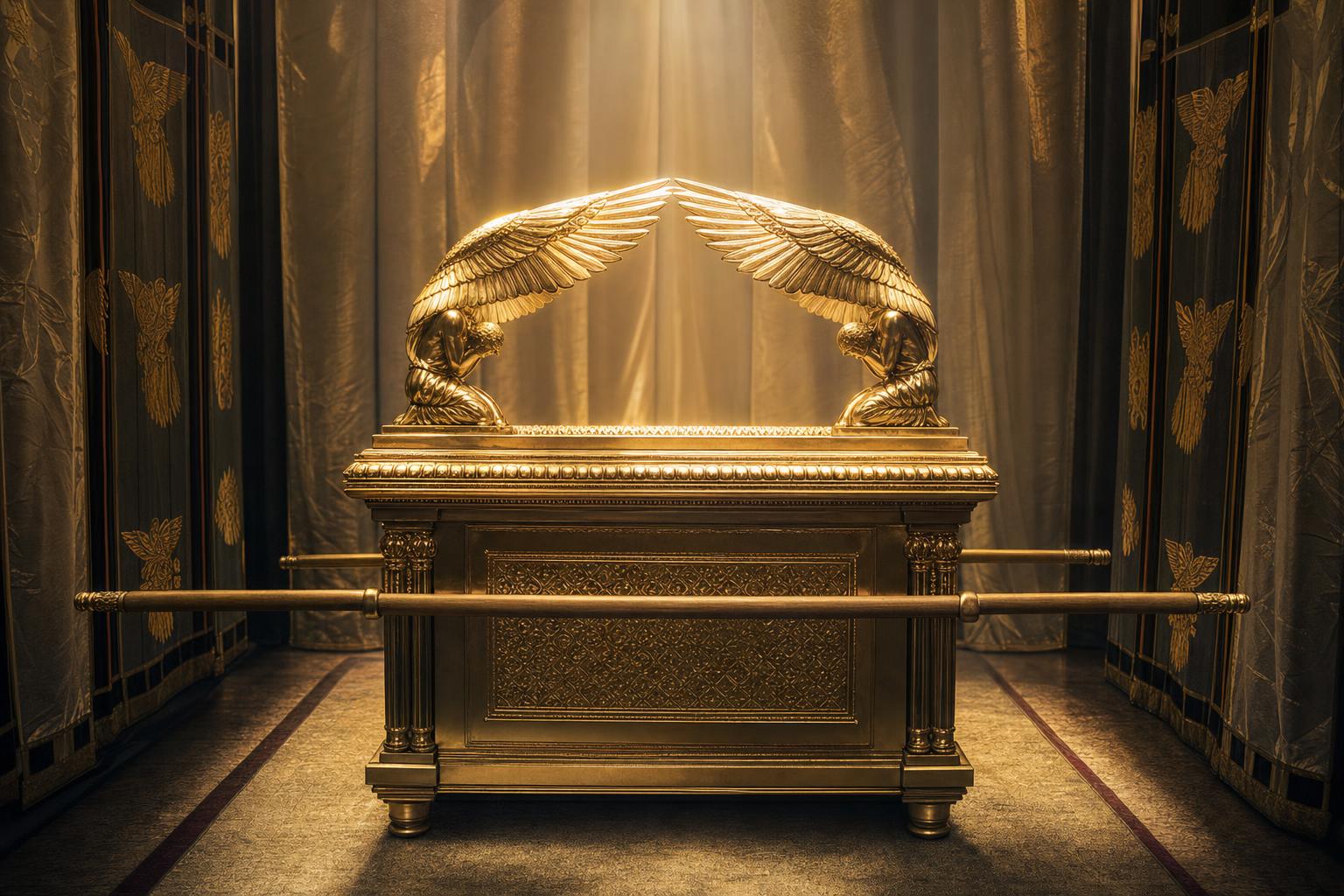
Put together, those scenes show that cherubim are not random background creatures. They appear where reverence matters. They are linked with sacred boundaries, worship, and the majesty of God.
That is why the biblical picture of cherubim feels so different from sentimental art. Scripture uses cherubim to create awe. Their presence tells the reader that this is holy ground and that God is not ordinary.
They also remind readers that access to God is not casual. Eden is guarded. The mercy seat is holy. Ezekiel's vision is overwhelming. Cherubim belong in that atmosphere of reverence.
Are cherubs baby angels?
No. The Bible does not describe cherubim as chubby winged babies.
That modern image comes from later art and popular usage, not from the Bible's main descriptions. Over time, the word "cherub" became attached to childlike angel art, and in everyday speech it can even mean a sweet-looking child. But that is not the biblical starting point.
In Scripture, cherubim are serious, holy, and awe-filled beings. Their scenes involve Eden, sanctuary worship, divine glory, and guarded access. That is very different from the soft decorative image most people picture first.
It is fair to say cherubim are often discussed alongside angels, and readers who want a broader survey can explore PrayersFor's collection of Bible verses about angels. But for this topic, the key point is that the Bible gives cherubim a distinct role instead of presenting them as generic baby angels.
Are cherubs and seraphim the same?
Cherubim and seraphim are related in the sense that both are heavenly beings associated with God's holiness, but they are not the same figure in Scripture.
Cherubim are the beings tied to Eden, the ark, temple imagery, and Ezekiel's visions. Seraphim appear most clearly in Isaiah 6, where they surround the Lord's throne and cry out, "Holy, holy, holy."
A helpful shortcut is this: cherubim are strongly connected with guarding holy space and throne imagery, while seraphim are especially connected with burning praise and Isaiah's temple vision. If you want the full comparison page, PrayersFor already has an explainer on seraphim.
It is best not to force this article into a long hierarchy chart. The Bible's strongest contribution is not a tidy angel diagram. It is the way these beings deepen the reader's sense of God's holiness.
Key Bible passages about cherubim
If you want the clearest biblical starting points, begin with these passages:
- Genesis 3:24 - cherubim guard the way to the tree of life after the fall.
- Exodus 25:18-22 - cherubim are placed over the mercy seat on the ark.
- 1 Kings 6:23-29 - temple cherubim continue the sanctuary imagery.
- Psalm 80:1 and Psalm 99:1 - God is described as enthroned above the cherubim.
- Ezekiel 1 - the living creatures are described in vivid detail.
- Ezekiel 10 - the living creatures are identified as cherubim.
Those passages keep the topic grounded. They show that cherubim are not mainly a word-study curiosity. They belong to the Bible's larger themes of holiness, worship, glory, and access to God.
The simplest way to understand cherubs
Cherubs, or cherubim, are heavenly beings in the Bible that mark God's holy presence, guard sacred space, and appear in some of Scripture's most awe-filled worship scenes.
That is why the biblical meaning of cherubs is much bigger than the baby-angel image people often imagine. The Bible uses cherubim to point readers toward reverence, glory, and the seriousness of drawing near to God.
A short prayer for reverence and wonder
Lord, teach me to see Your holiness with fresh reverence. Help me remember that Your presence is glorious, pure, and worthy of awe. Give me a heart that does not treat sacred things lightly, but approaches You with humility, trust, and worship. In Jesus' name, amen.

