
What Does Hosanna Mean? Save Us, Praise, and Palm Sunday
Hosanna means "save us, please" or "save now." In the Bible, it comes from Psalm 118 and becomes the word the crowd shouted when Jesus entered Jerusalem. That is why hosanna is more than a church word or a line from a worship song. It is a cry for rescue.
By the time of Palm Sunday, hosanna also carried joy. The crowd was not only begging God to save. They were welcoming Jesus as the long-promised Savior and King. So when Christians sing hosanna today, they are holding together two ideas at once: "Lord, save us" and "The Savior has come."
What is the literal meaning of hosanna?
The simplest answer is that hosanna means "save, please" or "save us now." Most Christian explanations trace the word back to the Hebrew expression behind Psalm 118:25. That Psalm is a prayer for the Lord to save and bless His people.
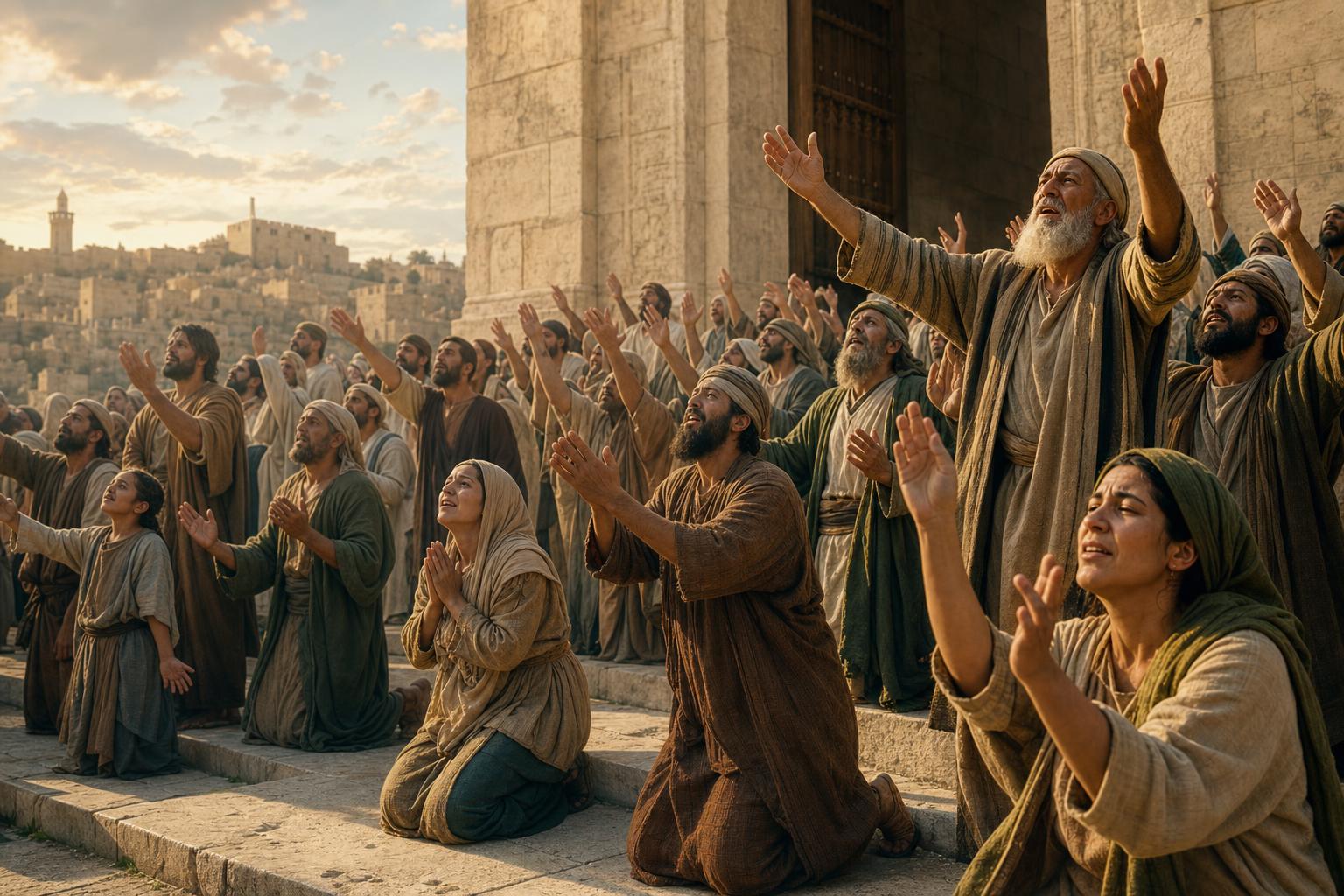
That background matters because it keeps the word from sounding like a vague burst of religious excitement. At its root, hosanna is a prayer. It asks God to bring rescue, help, and deliverance.
This is also why hosanna is not the same word as hallelujah. Hallelujah means "praise the Lord." Hosanna begins as a plea for salvation. The two words can stand near each other in worship, but they are not identical.
Why did people shout hosanna to Jesus on Palm Sunday?
When Jesus entered Jerusalem, the crowds cried, "Hosanna to the Son of David! Blessed is he who comes in the name of the Lord!" That moment is at the heart of the Jesus entering Jerusalem story.
The phrase "Son of David" shows that the crowd saw Jesus in messianic terms. They were not greeting an ordinary teacher. They were greeting the promised King. That is why hosanna was both urgent and hopeful. They wanted God to save, and they believed Jesus was the one through whom that salvation would come.
John's Gospel adds that the crowd took palm branches and went out to meet Him. The whole scene feels royal, public, and full of expectation. They were honoring Jesus openly while crying out for the rescue only God could give.
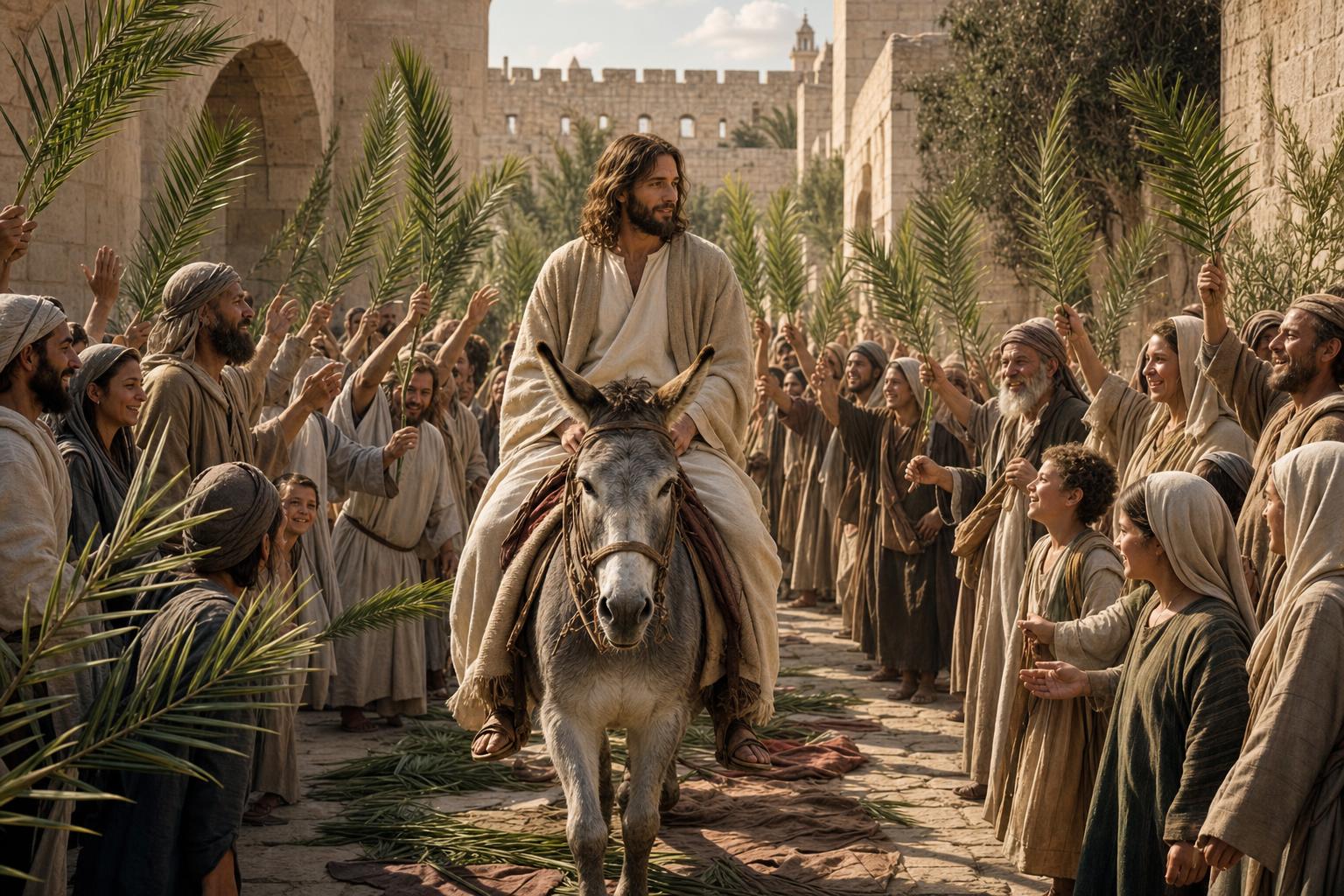
Some people in the crowd likely expected national or political rescue. Jesus did not come into Jerusalem on a war horse to crush Rome. He came humbly, riding on a donkey. Yet the crowd was still right to recognize that real rescue had arrived. Jesus came to bring deeper salvation than a temporary political victory.
Does hosanna mean praise or save us?
The best answer is both, but in the right order.
Originally, hosanna was a plea: "Save us, please." But because the word was tied to Psalm 118 and used in worship, it gradually took on a brighter tone. By the time the Gospels record it on the crowd's lips, hosanna had become a shout of praise as well as a plea for rescue.
That is not a contradiction. The crowd was praising because the Savior had come near. So hosanna is not empty celebration. It is praise shaped by need. It rejoices in God's rescue while still confessing that rescue is necessary.
That is why the word feels so alive on Palm Sunday. It is full of longing, hope, and joy at the same time.
What does "hosanna in the highest" mean?
"Hosanna in the highest" takes the same cry and lifts it into the language of heaven-directed worship. The phrase points upward to the highest places, meaning the praise and plea belong before God Himself.
In everyday terms, the crowd is not only saying "save us." They are saying it in a way that honors God's greatness and celebrates the One He has sent. The line turns the cry for rescue into public worship. It becomes a way of saying that the saving King deserves the highest honor.
It does not mean hosanna is another name for Jesus. It is the word people cried to Him because they believed He was the Messiah God had sent to save.
That is one reason Christians still pair hosanna with praise and worship. The word never loses its rescue meaning, but it also becomes a joyful confession that God has answered His people's need in Christ.
Why do Christians still sing hosanna today?
Christians still sing hosanna because believers still need Jesus to save, and believers still rejoice that He has come. The word fits both prayer and worship.
When the church sings hosanna, especially during Holy Week or in traditional worship liturgy, it is echoing the crowd that welcomed Jesus into Jerusalem. But it is also doing more than repeating history. It is confessing that Jesus is still Savior, still King, and still worthy of adoration.
That makes hosanna a rich word for personal prayer too. It gives believers a simple way to say, "Lord, rescue me," while also saying, "Lord, I trust You and honor You." It teaches Christians to praise without pretending they no longer need grace. Few words hold humility, dependence, and joy together so clearly.
Key Bible passages that explain hosanna
A few passages give the clearest picture of what hosanna means in Scripture:
- Psalm 118:25-26 - the Old Testament source behind the cry to save and the blessing on the one who comes in the name of the Lord.
- Matthew 21:9 - the Palm Sunday crowd cries, "Hosanna to the Son of David."
- Mark 11:9-10 - hosanna is tied to the coming kingdom of David.
- John 12:13 - palm branches, public welcome, and the title "King of Israel" make the messianic meaning even clearer.
- Matthew 21:15 - even the children keep crying "Hosanna to the Son of David" in the temple.
Taken together, these passages show that hosanna is not just a synonym for religious excitement. It is biblical language for rescue, Messiah, kingship, and worship.
The simplest way to understand hosanna
The simplest way to understand hosanna is this:
Hosanna means "save us," and in the Gospels it becomes a joyful shout of praise because the Savior and King has come.
So when you hear hosanna on Palm Sunday or in church worship, think of it as a word full of both need and confidence. It asks for rescue, and it rejoices that rescue is near. That is why the word has stayed powerful for centuries.
A short prayer when you sing hosanna
Jesus, You are the Savior and King Your people longed for. When my heart is anxious, needy, or tired, teach me to cry out to You honestly. When my heart is full of joy, teach me to praise You boldly. Let hosanna be true in me as both a prayer for rescue and a song of trust. Amen.

