
Enmity Meaning in the Bible: Meaning and Hope
In the Bible, enmity means deep hostility, opposition, or hatred. It is stronger than simple tension or disagreement. Scripture uses the word for the conflict between the serpent and the woman, the sinner's hostile stance toward God, and the dividing walls of hostility that Christ came to tear down.
This word matters because enmity is more than two people being upset with each other. It points to a deeper rupture created by sin. The good news is that the Bible does not leave enmity as the final word. In Christ, God answers hostility with reconciliation and peace.
What does enmity mean in the Bible?
In plain English, enmity means hostility, hatred, ill will, or active opposition. In the Bible, it describes a state of enemy-like conflict. It is stronger than irritation and more serious than a passing disagreement.
The Old Testament word often translated as enmity is the Hebrew ebah or eybah. The New Testament word is the Greek echthra. Both carry the idea of hostility or hatred. For that reason, many modern translations use the word hostility where older translations use enmity. The meaning is the same basic idea: deep opposition between two parties.
This also helps explain what enmity does not mean. It does not describe every difference of opinion. It does not mean simple discomfort. In Scripture, enmity points to conflict that has moral and spiritual weight. Sometimes it describes ordinary human hatred. Other times it describes a person's hostility toward God or the larger conflict between good and evil.
So if you want the shortest biblical definition, it is this: enmity in the Bible means deep hostility or opposition.
Where does enmity first appear in the Bible?
The first major use of the word comes in Genesis 3:15. After the fall, God tells the serpent, I will put enmity between you and the woman, and between your offspring and her offspring. That matters because the Bible introduces enmity right at the point where sin enters the world.
In that setting, enmity means more than dislike. It marks a real conflict. The verse describes opposition between the serpent and the woman, and between their offspring. Christians have long understood this as part of the Bible's larger story of spiritual warfare and redemption. The conflict does not stay small. It reaches forward through the rest of Scripture.
That is also why Genesis 3:15 is often treated as a verse of both judgment and hope. The hostility is real, but so is the promise that the serpent will not have the last word. Many Christians see here the first hint of the coming Deliverer who would crush the serpent's head.
So when readers ask what enmity means in Genesis 3:15, the answer is not just people and snakes do not get along. The verse is about a deeper opposition born from the fall and carried through the Bible's story until it is answered in Christ.

What does enmity against God mean?
The New Testament makes the meaning even more personal. Romans 8:7 says the mind set on the flesh is hostile to God. James 4:4 says friendship with the world is enmity with God. Together, those verses show that enmity is not only something happening around us. It can describe the sinful human heart itself.
To be in enmity against God means to live in resistance to His rule. It means preferring sin over submission, self-will over obedience, and worldly loyalties over faithfulness to God. Scripture is not describing a neutral spiritual position. It is describing active opposition to God.
This helps explain why the Bible treats sin as more than a collection of bad habits. Sin creates alienation. It bends the heart away from God. That is why a person can be outwardly religious and still need reconciliation. If you want to keep tracing that theme, these Bible verses about hostility and these Bible verses about idolatry fit naturally with what Romans and James are warning about.
Enmity against God also sheds light on human conflict. The same sinful condition that resists God also spills out into broken relationships, strife, and bitterness. That is one reason the Bible treats hatred so seriously. Hostility between people is not only a social problem. It is also part of a deeper spiritual disorder.
How does Christ abolish enmity?
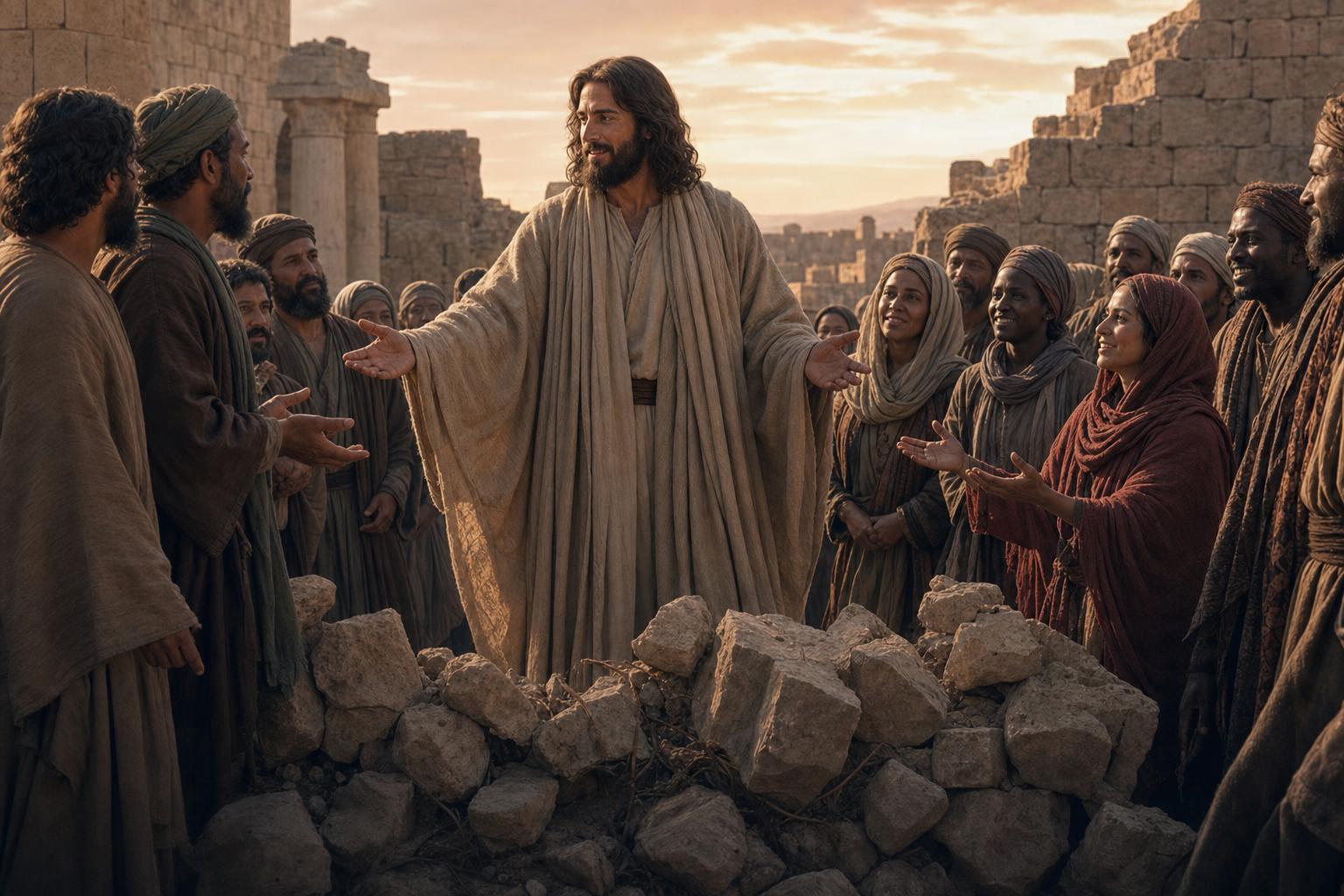
The Bible's best answer to enmity is found in Jesus Christ. Ephesians 2 says Christ is our peace and that He broke down the dividing wall of hostility. Colossians 1 says that those who were once alienated and hostile in mind have now been reconciled through His body.
This is one of the most important things to understand about the word. Scripture does not only define enmity. It shows how God deals with it. Jesus does not simply tell hostile people to calm down. He goes to the cross to reconcile enemies to God and to create peace where there was division.
In Ephesians 2, Paul is speaking directly about hostility between Jews and Gentiles. But the point reaches wider than that one division. Christ tears down the barrier that sin creates. He makes peace. He brings those who were far off near. He reconciles people to God and, because of that, makes real reconciliation with others possible too.
So what does abolished the enmity mean in the Bible? It means Jesus put the barrier of hostility to death through His cross. He answered alienation with peace. He removed the wall that kept enemies apart. That does not mean every painful relationship is instantly simple, but it does mean the gospel creates a new reality where peace with God becomes possible and hostility no longer has to rule.
If you want related passages to keep studying after this article, these Bible verses about peace can help connect the word's meaning to the way believers are called to respond in real life.
Why the biblical meaning of enmity still matters today
This word still matters because enmity is not an ancient problem only. It still shows up in hatred, division, pride, worldly compromise, and resistance to God. People still carry hostility in their hearts. Relationships still fracture. Nations still divide. And hearts still try to keep God at a distance.
The Bible's language helps us name that problem honestly. Enmity warns us not to treat hostility lightly. Bitterness is not harmless. Hatred is not small. Friendship with the world is not spiritually neutral. The word forces us to see conflict and alienation for what they really are.
At the same time, the gospel gives hope. Christ makes peace. He reconciles enemies. He calls people away from hatred, self-rule, and spiritual rebellion. That means the right response to enmity is not despair but repentance, forgiveness, and trust in God's power to heal what sin has broken.
If this topic feels personal for you, these Bible verses about love, these prayers for forgiveness, and these prayers for trusting God are strong next steps. They help move the reader from definition into response.
In short, enmity in the Bible means deep hostility and opposition, but the story does not end there. The Bible names the conflict truthfully and then points to Christ, who alone can bring peace.
A short prayer for peace where there has been enmity
Lord, show me where hostility, bitterness, pride, or resistance to You still lives in my heart. Forgive me for every way I have preferred conflict to peace and self-will to obedience. Thank You that Jesus Christ makes peace and reconciles enemies to God. Teach me to receive that peace, walk in humility, and seek what is right in my relationships. In Jesus' name, amen.

