
Bible Definition of Righteousness: Meaning and Right Living
Righteousness in the Bible means being right in God's sight. It includes God's own perfect character, the right standing He gives to sinners through faith in Christ, and the kind of life that grows out of that relationship.
That matters because many people hear the word righteous and think only of a moral person or a religious person. Scripture goes deeper. Biblical righteousness is not polished behavior or spiritual image-management. It is what is right according to God, received from God, and then lived out before God.
What does righteousness mean in the Bible?
At the simplest level, righteousness means what is right, just, and upright before God. God Himself is the standard. So the question is not what seems righteous to me or to the people around me, but what matches God's character and will.
That is why the Bible can speak of God's righteousness and of people being righteous. God is righteous by nature. People are righteous only as they are brought into right relationship with Him and begin to walk in His ways.
One helpful way to hear the word is this: righteousness is rightness before God. It touches both standing and conduct. It speaks to being accepted as right with Him and to living in a way that fits that reality.
Is righteousness just being a good person?
No. A person can look respectable, religious, or disciplined and still miss biblical righteousness.
The Bible does care about behavior. Righteous people tell the truth, pursue justice, keep faith, and turn away from evil. But Scripture does not reduce righteousness to image management or moral polishing.
That is where self-righteousness enters the picture. Self-righteousness trusts in the self, compares itself to other people, and wants to appear holy. Biblical righteousness begins by admitting need, not by advertising virtue.
This keeps the word from becoming shallow. Righteousness is not, "I cleaned myself up, so now I am acceptable." It is, "God is right, I am not, and I need Him to make me right and teach me to live rightly."
If you want to keep reading about pride, hypocrisy, and sober self-examination, PrayersFor also has Bible verses about judging others and prayers for humility.
Why can't we make ourselves righteous?
Because God's standard is not slightly better behavior. His standard is His own holiness.
Isaiah 64:6 says that even our righteous deeds are like polluted garments when we try to stand on them before God. Romans 3 says that none is righteous on his own. The problem is not that people need a little more polish. The problem is that sin reaches the heart.
The Old Testament law shows what righteousness looks like. Deuteronomy 6:25 can speak of righteousness in the language of obedience because God's commands are good and right. But the same biblical story shows that sinful hearts do not stay faithful just because the standard is clear.
In other words, the law is a mirror, not a cure. It tells the truth about God and about us. It cannot give a dead heart life or a guilty heart innocence.
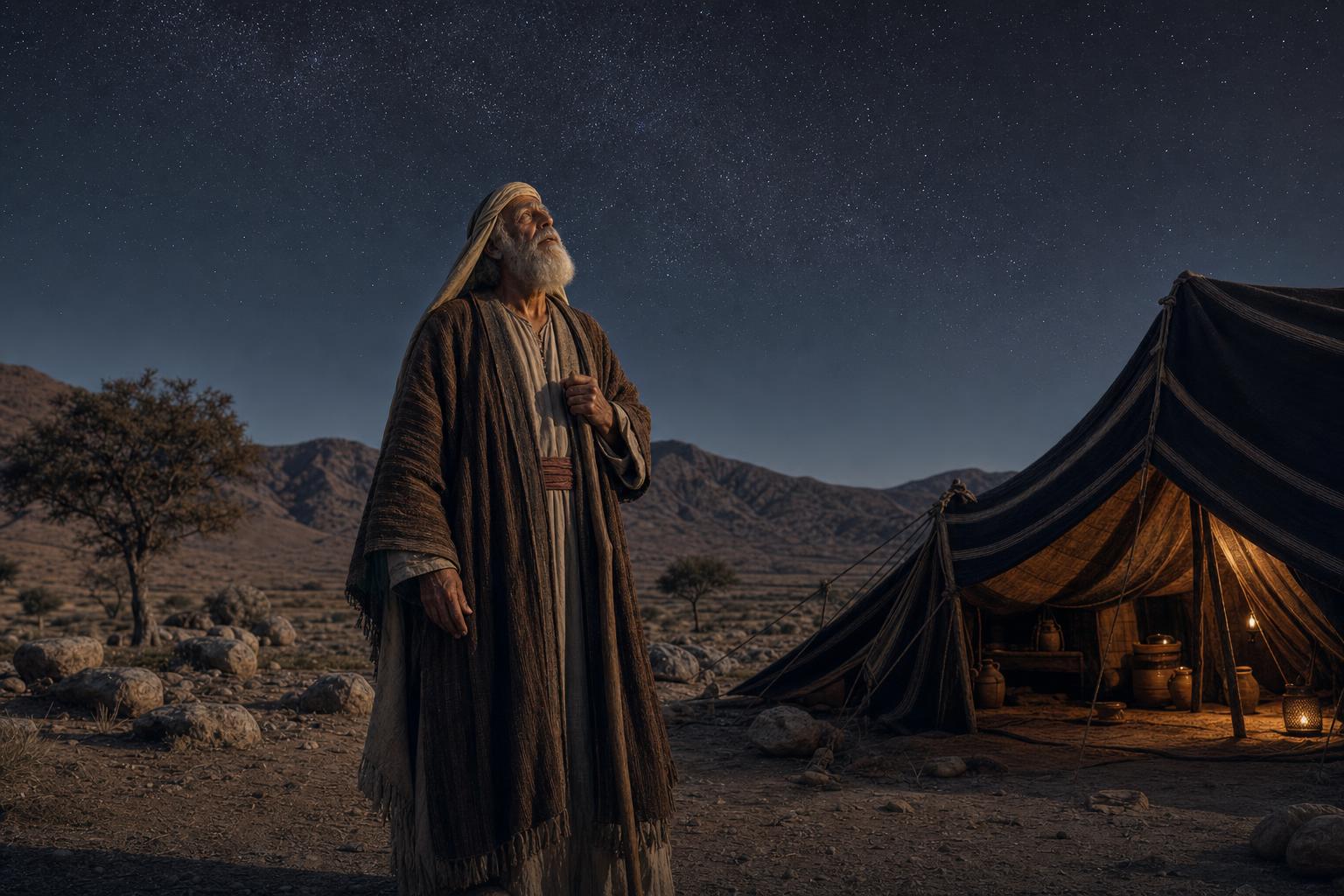
This is one reason Abraham matters so much in the Bible's language of righteousness. Genesis 15:6 says Abraham believed God, and it was counted to him as righteousness. Even early in Scripture, righteousness is tied to trusting God, not boasting in self-made worth.
How does righteousness come through faith in Christ?
The New Testament answers the human problem by pointing to Jesus. He alone lived in perfect obedience. He alone fulfilled what God requires. That is why 2 Corinthians 5:21 says God made Christ, who knew no sin, to be sin for us, so that in Him we might become the righteousness of God.
Romans 3:21-26 makes the same point from another angle. God's righteousness is revealed apart from the law, through faith in Jesus Christ, for all who believe. People are justified by His grace because Christ dealt with sin at the cross.
This does not mean faith is a religious trick or that God pretends sin does not matter. It means Jesus actually did what sinners could not do and bore what sinners deserved. So when a person trusts Christ, righteousness is no longer something he is trying to invent. It is something he receives.
That is also why righteousness is tied so closely to salvation. Scripture does not present salvation as bare forgiveness with no change in standing before God. In Christ, sinners are forgiven, accepted, and counted righteous before Him.
If you want to keep following that theme, these Bible verses about faith are a helpful next step.
What does a righteous life look like in practice?
Once God makes a person right with Him, righteous living begins to grow as fruit. It is not perfect in this life, but it is real.
A righteous life is marked by obedience, not because obedience earns God's love, but because God's grace changes what a person loves. It seeks truth instead of deceit. It cares about justice because God loves what is right. It learns humility because self-righteous pride no longer fits the Gospel.
That is why Scripture can speak both of righteousness by faith and of pursuing righteousness. Matthew 6:33 says to seek first the kingdom of God and His righteousness. 2 Timothy 2:22 tells believers to pursue righteousness, faith, love, and peace. Those verses are not teaching self-salvation. They are describing the shape of a life being remade by God.
This is where many people feel the difference between biblical righteousness and religious performance. Religious performance asks, "How do I look?" Righteous living asks, "What is right before God, and how do I walk in it today?"
If you want a longer Scripture path after this section, PrayersFor's Bible verses about righteousness and prayers for righteousness are natural next steps.
Key Bible passages about righteousness
If you want a compact set of passages to study after this article, start here:
- Genesis 15:6 - Abraham believed God, and his faith was counted as righteousness.
- Deuteronomy 6:25 - shows righteousness in the language of covenant obedience under God's commands.
- Matthew 6:33 - Jesus tells His followers to seek God's kingdom and His righteousness first.
- Romans 3:21-26 - explains God's righteousness revealed through faith in Jesus Christ.
- 2 Corinthians 5:21 - shows Christ taking sin so believers might become the righteousness of God in Him.
- Amos 5:24 - reminds readers that righteousness reaches outward into justice, not empty religious show.
A short prayer for righteousness
Lord, teach me what righteousness really means. Keep me from trusting in image, pride, or self-made goodness. Help me rest in the righteousness of Christ, walk in faith, and love what is right in Your sight. Shape my words, motives, and actions so they reflect Your truth, mercy, and justice. In Jesus' name, amen.
Frequently asked questions
What is the difference between righteousness and self-righteousness?
Righteousness is being right with God and learning to walk in His ways. Self-righteousness is trusting your own goodness, comparing yourself to others, and trying to look holy without real humility before God.
Can anyone be righteous on their own?
No. Scripture says people do not reach perfect righteousness by their own effort. That is why the Bible points to faith in Christ instead of self-salvation.
Is righteousness in the Bible only about behavior?
No. It includes behavior, but it starts deeper than behavior. The Bible uses righteousness for God's own character, for the right standing He gives to believers, and for the life that grows from that relationship.
Why is Abraham important when the Bible talks about righteousness?
Abraham is important because Genesis 15:6 says he believed God, and it was counted to him as righteousness. The New Testament returns to that verse to show that righteousness is tied to faith, not human boasting.

