
Woes Meaning in the Bible: Definition and Warnings
In the Bible, woes are solemn cries of grief, warning, or judgment. The word can describe deep sorrow, but in many passages it does more than express pain. It announces that something is morally wrong, spiritually dangerous, or headed toward judgment unless there is repentance.
Scripture uses woe-language in more than one way. Sometimes a person cries, Woe is me, as Isaiah does when he sees his own uncleanness before a holy God. Other times a prophet or Jesus says, Woe to you, to expose hypocrisy, injustice, or rebellion. The basic idea stays the same: a biblical woe is serious wake-up language.
What does woes mean in the Bible?
In plain English, woe means grief, distress, misery, calamity, or trouble. In the Bible, it often carries an added sense of warning or judgment. A biblical woe is not casual frustration. It is a weighty cry that says something is terribly wrong.
That is why the word can sound different depending on the passage. In some verses, it sounds like lament. In others, it sounds like a sentence of judgment. The Hebrew cry often transliterated hoy and the Greek ouai both carry that heavier force. They are words of sorrow, but they are also words that can announce danger, guilt, or coming consequences.
The difference between woe and woes is not a change in basic meaning. The singular usually points to one cry or one warning, while the plural often refers to repeated warnings or a group of judgment statements. In practice, readers searching this topic usually want to know what biblical woe-language means wherever it appears.
If you have ever read a passage and felt its weight without knowing how to name it, that is close to the point. Biblical woes are meant to stop the reader, not let the text slide by unnoticed.
How are woes used in the Bible?
The Bible uses woes in a few clear ways.
First, a woe can be personal lament. Isaiah 6:5 says, Woe to me! after Isaiah sees the Lord's holiness and becomes painfully aware of his own sin. In that setting, woe is not condemnation of someone else. It is brokenness, conviction, and a sense of unworthiness before God.
Second, a woe can be prophetic denunciation. The prophets say Woe to... when they confront greed, injustice, pride, idolatry, and moral corruption. In those passages, the word acts like an alarm bell. It names sin and warns that judgment is not far away.
Third, a woe can be teaching and rebuke language. Jesus uses repeated woes in Matthew 23 and Luke 11 when speaking to religious leaders whose public religion hid hard hearts and crooked motives. Those woes are not random emotional outbursts. They are clear moral warnings.
Fourth, a woe can signal future judgment. Revelation speaks of coming woes tied to later trumpet judgments, which shows that the word can also point ahead to catastrophic consequences.
So when readers ask what woe to you means in the Bible, the short answer is this: it means serious warning. It is Scripture's way of saying that a person's path, posture, or behavior stands under grave moral danger.
Woes in the Old Testament prophets
The prophets use woes with striking force. One of the clearest examples is Isaiah 5. There the prophet repeats Woe to... while condemning greed, drunkenness, moral inversion, arrogance, and injustice. Isaiah is not merely describing a sad situation. He is exposing a culture that has twisted good and evil and is heading toward judgment.
Habakkuk 2 gives another strong example. The chapter stacks five woes against plunder, unjust gain, bloodshed, exploitation, drunken humiliation, and idolatry. That repeated pattern shows what prophetic woes often do. They act like formal indictments. They tell the hearer that God sees the evil clearly and will not ignore it forever.
Those passages also keep the meaning of woe from becoming soft or vague. In the prophets, woe is not just emotional pain. It is sorrow joined to moral seriousness. If you want a related set of passages about suffering and anguish, these Bible verses about misery can be a helpful companion read, but the prophetic use of woe goes beyond pain alone. It points to sin, guilt, and consequences.

What does woe to you mean in Jesus' teaching?
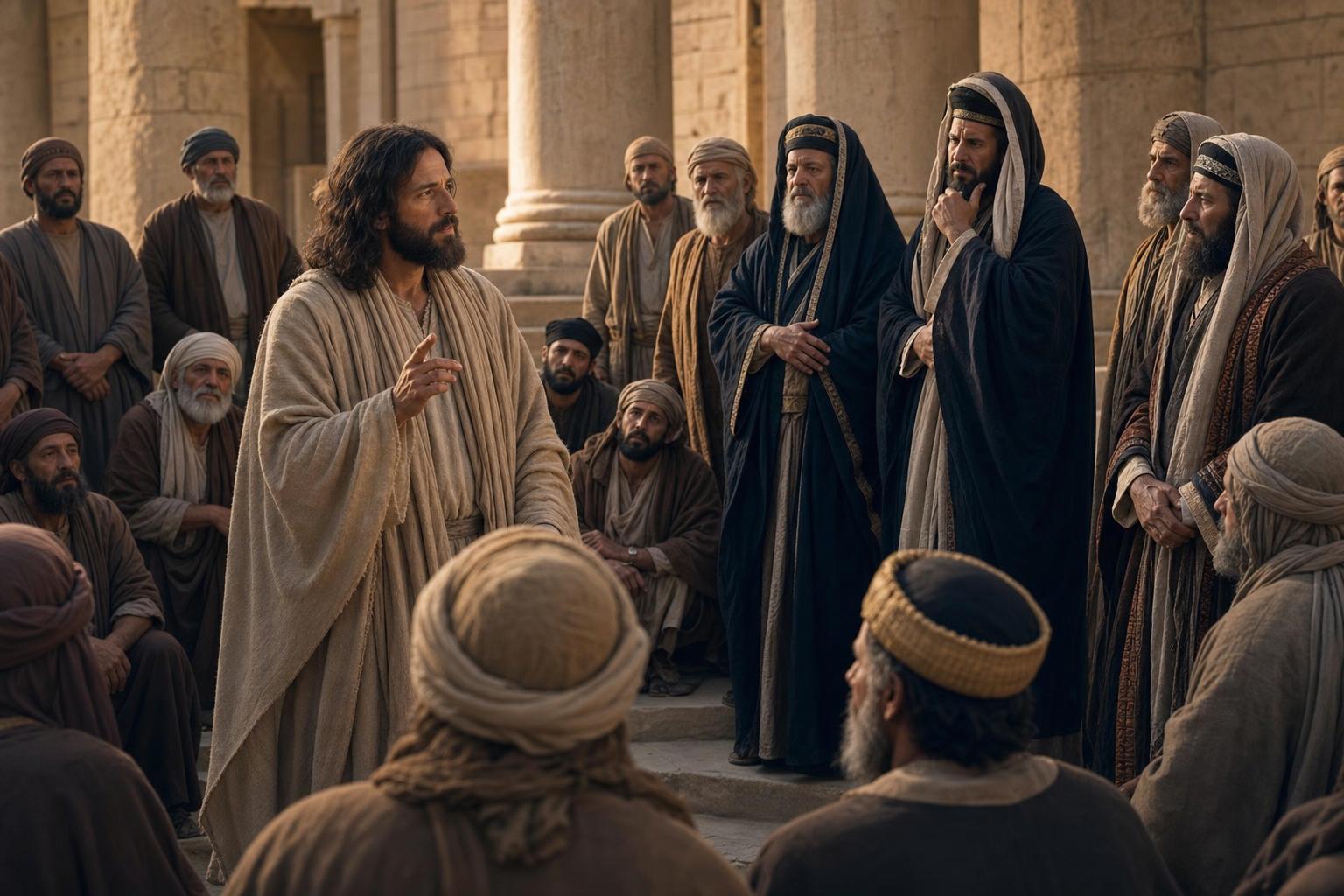
For many readers, the most familiar biblical woes are Jesus' words in Matthew 23 and Luke 11. There Jesus says Woe to you, scribes and Pharisees because their religion looked clean on the outside while staying proud, unjust, and spiritually blind underneath.
That matters because Jesus' woes are not petty insults. He is not losing His temper in a careless way. He is exposing hypocrisy that kept people from true repentance, mercy, and justice. His words are severe because the danger is severe.
Many readers also ask what the seven woes in the Bible mean. In Matthew 23, Jesus uses a chain of woes to uncover specific sins such as blocking others from truth, majoring on outward performance, neglecting justice and mercy, and honoring prophets after rejecting the kind of message those prophets actually brought. The point is not to memorize a list as trivia. The point is to see that outward religion without inward humility is spiritually deadly.
That is why Jesus' woes still read so sharply today. They warn against the kind of faith that looks impressive but resists repentance. If a passage like that leaves you convicted, it is a good time to slow down, pray honestly, and even use simple words like these prayers for repentance or these Bible verses about repentance to respond to God instead of only analyzing the warning from a distance.
What do the woes in Revelation mean?
Revelation uses the word in a more dramatic judgment setting. Revelation 8:13 announces three coming woes, and later verses mark those woes as trumpet judgments unfolding in sequence. Here the word does not mainly describe one person's sorrow or one prophet's rebuke. It signals escalating judgment on a cosmic scale.
For this question, the simple takeaway is enough: in Revelation, biblical woes point to severe coming judgment. The same core meaning is still there. Woe announces that something dreadful is arriving and that the warning should be taken seriously.
Why biblical woes still matter today
Biblical woes still matter because they show how seriously God takes sin, hypocrisy, injustice, and spiritual blindness. A woe is Scripture's way of refusing to shrug at evil. It slows us down and forces a moral response.
At the same time, the Bible does not use woe-language just to leave people in despair. Isaiah's Woe is me is followed by cleansing. Prophetic warnings are calls to turn back. Jesus' rebukes expose hypocrisy so that people might repent instead of staying hardened. Even when the word sounds severe, it serves God's larger purpose of truth and mercy.
That means a biblical woe should lead to self-examination, not merely to pointing at other people. It should make us ask whether we need to confess sin, seek forgiveness, and return to God with honesty. If that is where this topic lands for you, these prayers for forgiveness, these prayers for trusting God, and this simple guide to salvation meaning all fit naturally as next steps. And if you want to understand the hopeful side of God's verdict over sinners who come to Him in faith, this article on justified meaning in the Bible is a strong follow-up as well.
In short, biblical woes are not dramatic filler words. They are warnings meant to wake us up, humble us, and move us toward repentance and mercy.
A short prayer after reading passages of woe
Lord, do not let me hear Your warnings with a hard heart. Show me where pride, hypocrisy, selfishness, or hidden sin still needs to be confessed. Give me humility to repent, faith to trust Your mercy, and courage to walk in what is right. Teach me to take Your Word seriously without losing sight of Your grace. In Jesus' name, amen.

