
Who Were the Pharisees in the Bible? Beliefs and Role
The Pharisees in the Bible were an influential Jewish religious movement during the Second Temple period, especially in the time of Jesus and the early church. They were known for serious devotion to the Law, strong respect for oral tradition, and beliefs about resurrection and the spiritual realm. They matter because they help explain the world of the Gospels, the sharp rebukes Jesus gave to religious hypocrisy, and the fact that not every Pharisee responded to Him in the same way.
Who were the Pharisees in the Bible?
The Pharisees were Jews, not a separate pagan group or a religion outside Israel. They belonged to the world of Second Temple Judaism, the period before the temple in Jerusalem was destroyed in AD 70. Their movement seems to have taken shape before Jesus' ministry, and by the New Testament they were well known enough that readers were expected to recognize them.
Many Pharisees were respected teachers and lay leaders rather than temple priests. They had influence in synagogue life and among ordinary people, which helps explain why they appear so often in the Gospels. They were not fringe figures standing far away from everyday Jewish faith. They were one of the most visible religious movements in the land.
So the simplest answer is this: the Pharisees were a Jewish movement committed to careful obedience, moral seriousness, and preserving God's law as they understood it. At the same time, many of the Pharisees Jesus confronted became known for the kind of outward religion He exposed so forcefully.
What did the Pharisees believe?
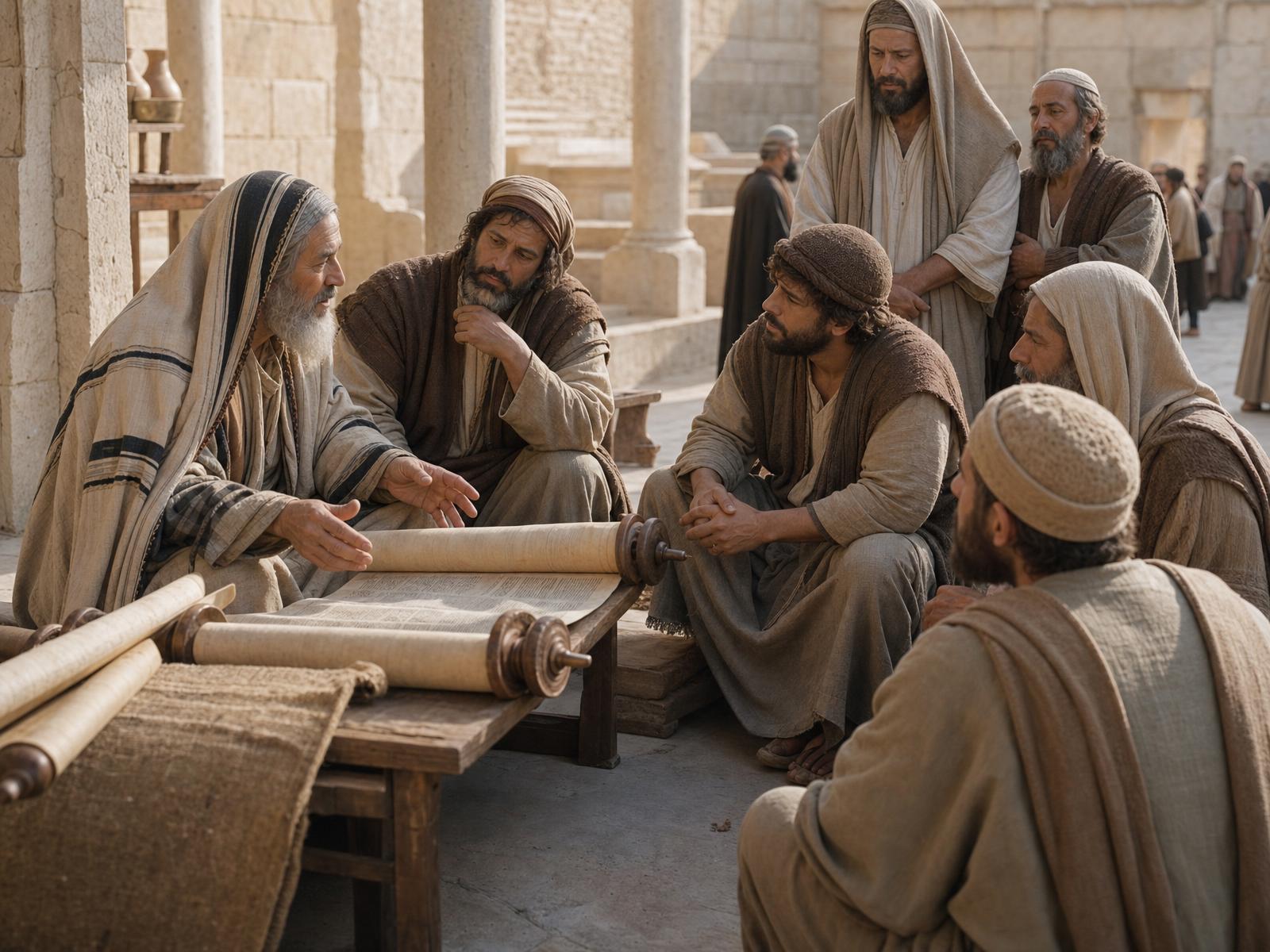
The Pharisees believed the written Law of Moses mattered deeply. They also gave strong weight to oral tradition, meaning inherited interpretations and practices handed down alongside the written text. In everyday life, that meant they did not want holiness to stay inside the temple or with priests only. They wanted faithfulness to shape meals, Sabbath practice, purity, and ordinary conduct.
The New Testament also shows that Pharisees believed in resurrection, angels, and spirits. Acts 23 makes this especially clear by contrasting them with the Sadducees. That is important because it shows the Pharisees were not defined only by rules. They had a fuller theological worldview about God's judgment, the life to come, and the unseen spiritual world.
At their best, this seriousness came from a desire to honor God. At their worst, it could harden into measuring faithfulness mainly by visible rule-keeping. That tension helps explain both why the Pharisees drew respect and why Jesus sometimes confronted them so directly.
How were the Pharisees different from the Sadducees?
This is one of the most helpful comparisons for understanding the New Testament.
The Pharisees and Sadducees were both Jewish groups, but they were not the same kind of movement. The Sadducees were more closely tied to the temple establishment and priestly leadership. The Pharisees had stronger influence among ordinary people and were more associated with synagogue teaching and daily religious practice.
One of the clearest differences was resurrection. Acts 23 says the Sadducees denied resurrection, angels, and spirits, while the Pharisees affirmed them. The Pharisees also placed more weight on oral tradition in a way the Sadducees did not.
That means when the Gospels mention Pharisees and Sadducees together, readers should not imagine one single group with identical beliefs. They could unite against Jesus at key moments, but they still represented different currents within Jewish life.
Why did Jesus rebuke the Pharisees so sharply?
Jesus did not rebuke the Pharisees because the Law was bad or because holiness did not matter. His sharpest words were aimed at what happens when religious seriousness becomes outward performance, self-importance, or human tradition that hides God's heart.
Mark 7 gives one clear example. Some Pharisees challenged Jesus over ritual tradition, and Jesus answered by warning that people can honor human customs while setting aside God's command. In Matthew 23, He says some Pharisees were careful about tiny acts of religious precision while neglecting the weightier matters of the law: justice, mercy, and faithfulness.
That is why Jesus' rebukes feel so severe. He was not criticizing sincere obedience. He was exposing the danger of looking holy while the heart remains proud, cold, or unwilling to love rightly. In other words, the problem was not devotion itself. The problem was devotion that had become performative, distorted, or disconnected from mercy.
It also helps to remember that these disputes happened inside Jewish life, not from outside it. Jesus was not attacking Judaism as a foreign critic. He was confronting real spiritual failure among people who cared deeply about God's law but could still misuse it.
This is also why the word Pharisee sometimes becomes shorthand for hypocrisy in Christian speech. But the Bible's own picture is more careful than using the label as a quick insult. Jesus' warnings were real, but they were tied to specific spiritual failures, not to a lazy stereotype.
Were all Pharisees bad or against Jesus?
No. The Bible does not support that kind of flat answer.
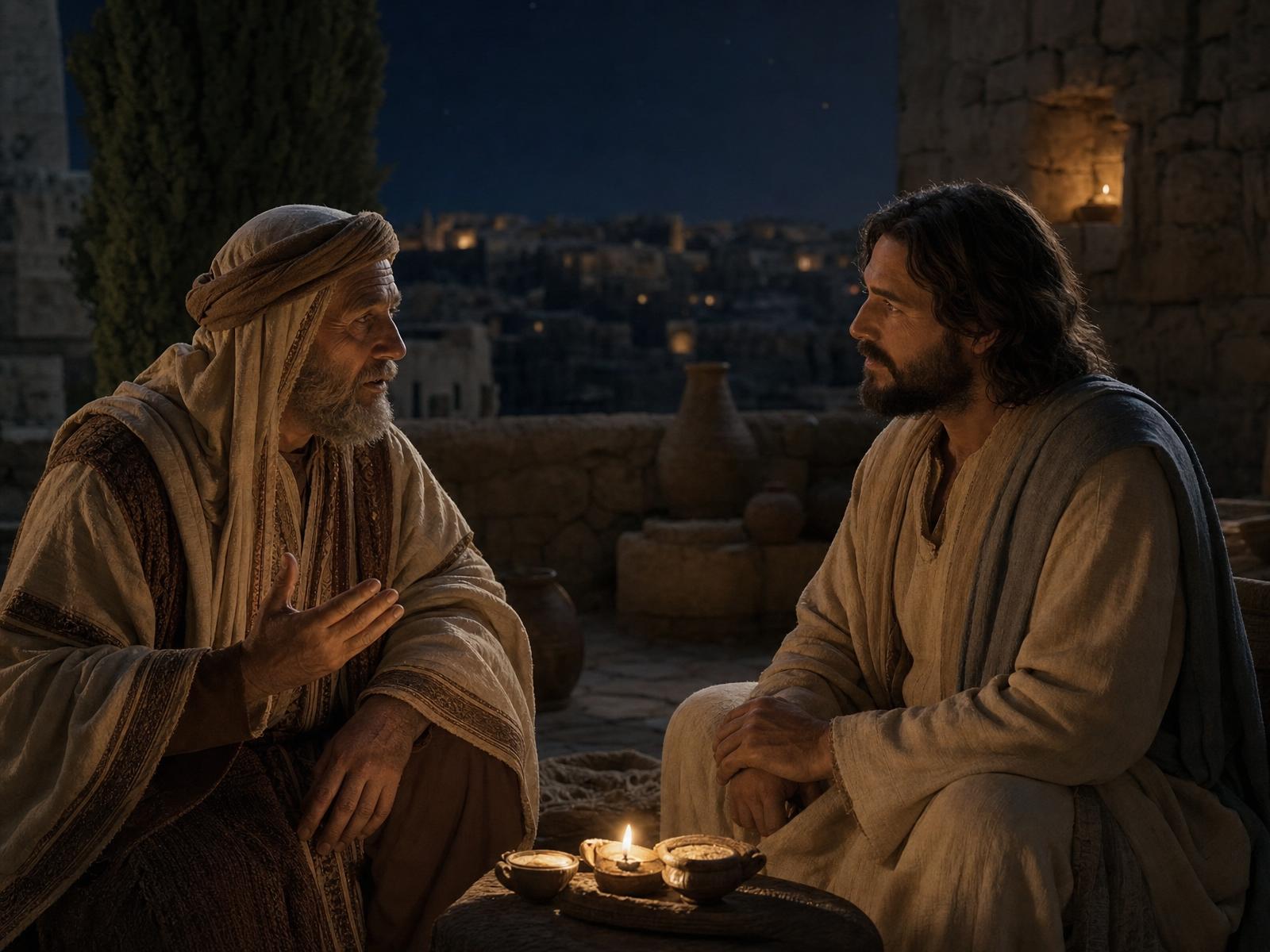
Nicodemus is the clearest example. John 3 introduces him as a Pharisee and a ruler of the Jews, yet he comes to Jesus seriously and listens to Him. Later, Nicodemus speaks up for fair process and then helps prepare Jesus' body for burial. That does not fit the idea that every Pharisee stood in the same posture toward Christ. If you want to read his story more closely, PrayersFor has a separate article on who Nicodemus was in the Bible.
Paul is another important example. Before his conversion, Paul could openly describe himself as a Pharisee. His later faith in Christ does not erase that background; it shows how important the Pharisees were in the first-century Jewish world and how complex the category really is. For Paul's later story, see who Paul was in the Bible.
Acts 15:5 even mentions believers who belonged to the party of the Pharisees. So while the Gospels often focus on clashes between Jesus and Pharisaic leaders, the whole New Testament picture is wider than saying every Pharisee was bad or that every Pharisee hated Jesus.
Why do the Pharisees matter in the Bible?
The Pharisees matter because they help readers understand both the setting of the New Testament and one of its strongest spiritual warnings.
Historically, they help explain the religious world Jesus and the apostles moved through. Without the Pharisees, parts of the Gospels and Acts can feel flatter or more confusing. The debates about Sabbath, purity, resurrection, and tradition all make more sense once readers know who the Pharisees were.
Spiritually, the Pharisees matter because Jesus used His encounters with them to warn against outward religion without inward surrender. A person can know the right language, defend the right practices, and still miss justice, mercy, humility, and real love for God. That warning is one reason the Pharisees stay memorable.
At the same time, the Pharisees should not be treated as if they were nothing more than cartoon villains. They were a real Jewish movement with real influence, serious convictions, and lasting importance in the background of the Bible's story.
Key Bible passages about the Pharisees
If you want to study the Pharisees in Scripture directly, start here:
- Matthew 23:23-28 - Jesus rebukes outward religious precision that neglects justice, mercy, and faithfulness.
- Mark 7:1-13 - Jesus confronts the way human tradition can displace God's command.
- Acts 23:6-8 - the clearest short contrast between Pharisees and Sadducees.
- John 3:1-2 - Nicodemus appears as a Pharisee who comes to Jesus with real questions.
- John 19:39-40 - Nicodemus helps with Jesus' burial.
- Acts 15:5 - even the early church included some believers from the Pharisee party.
- Philippians 3:5 - Paul describes his former Pharisee identity.
A short prayer after reading about the Pharisees
Lord, keep my faith sincere. Protect me from pride, empty performance, and a cold heart that knows truth without living it in mercy. Give me humility, honesty, and a deeper love for what is good in Your sight. In Jesus' name, amen.
If you want to keep reflecting on Scripture after reading about the Pharisees, the Daily Devotional is a simple next step.

