
Who Is Stephen in the Bible? Acts, Death, and Why He Matters
Stephen in the Bible was one of the seven Spirit-filled men chosen to serve the early church in Acts 6. Acts 6:1-7 explains that the need arose when Hellenist widows were being overlooked in the daily distribution, and Acts 6:5 calls Stephen "a man full of faith and of the Holy Spirit." From there, Acts 6-8 remembers him as a bold witness for Jesus, the first Christian martyr, and an important turning point before Saul's persecution.
That means the clearest answer is not only that Stephen died. Scripture presents him as a faithful servant, a courageous speaker, a man who saw Jesus before his death, and a believer whose final witness still teaches Christians about truth, grace, and forgiveness.
What was Stephen's role in the early church?
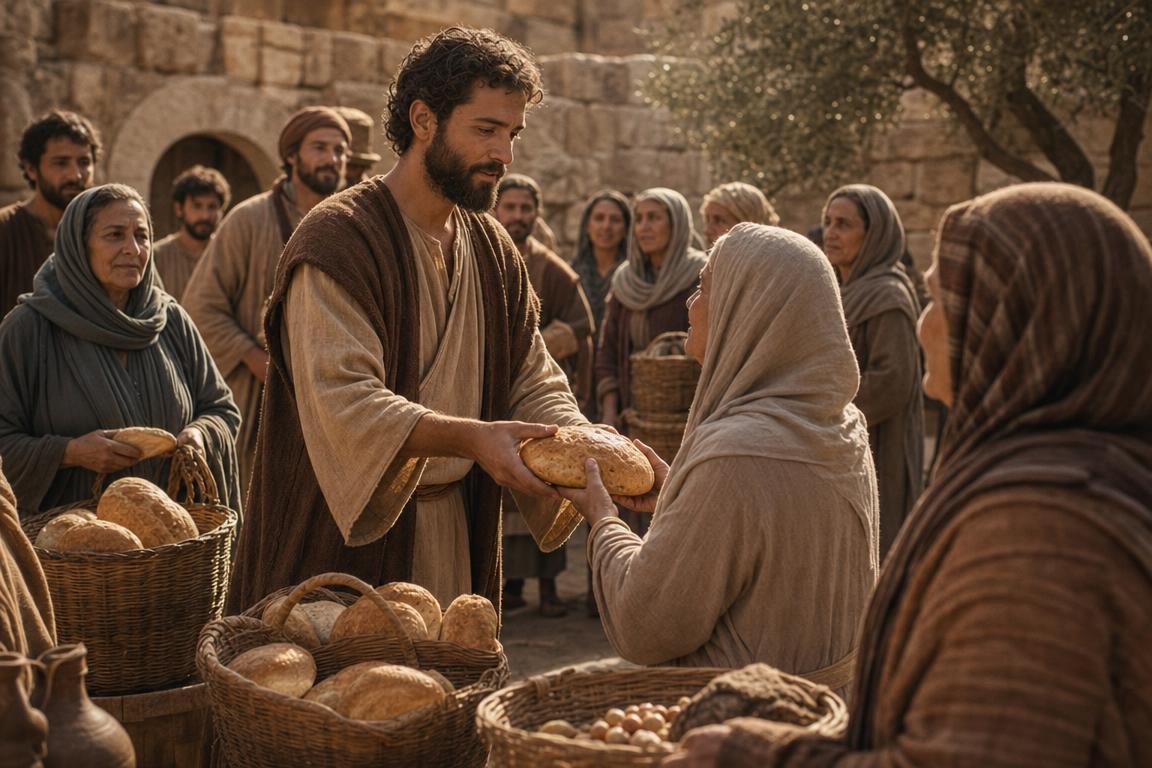
Stephen first appears when the church in Jerusalem is growing quickly and a complaint arises because Hellenist widows are being neglected in the daily distribution (Acts 6:1). The apostles tell the believers to choose seven men of good reputation, full of the Spirit and wisdom, to take responsibility for that need so the apostles can stay focused on prayer and the ministry of the word (Acts 6:2-4).
Acts 6:5 names Stephen first among those seven men and describes him as full of faith and the Holy Spirit. Then Acts 6:6 shows the apostles praying and laying their hands on the Seven, which makes clear that Stephen's service role was recognized and entrusted by the church.
So before readers ever reach the stoning scene, Scripture already presents Stephen as a trusted servant with spiritual maturity and wisdom. Many Christians describe him as an early deacon because of this appointment. That shorthand can be helpful, but the Bible's own emphasis is even clearer: Stephen was one of the Seven chosen to meet a real need in the Jerusalem church with Spirit-filled character.
What did Stephen do before he was killed?
Stephen was not only helping with practical service. Acts 6:8 says he was "full of grace and power" and was doing great wonders and signs among the people. When opposition rose from members of the Synagogue of the Freedmen, Acts 6:10 says they could not withstand the wisdom and the Spirit with which he was speaking.
That detail matters because it shows why Stephen is remembered so clearly. He was not a background helper who stayed unnoticed. He served where the church needed him, but he also became a public witness whose words carried weight.
Acts 6:11-14 shows how the conflict escalated. False witnesses accused Stephen of speaking against Moses, the law, and the temple, and he was brought before the council. Even there, Acts 6:15 says that those who looked at him saw his face "like the face of an angel," which keeps the picture of Stephen tied to God's presence rather than to personal ambition or rebellion.
Why was Stephen stoned?
Stephen was stoned because his witness to Jesus brought him into direct conflict with the religious leaders judging him.
In Acts 7, Stephen answers the accusations with a long speech that traces Israel's history and shows a repeated pattern: God's people often resisted the messengers God sent. Then Acts 7:51-53 presses the point home. Stephen tells the council that they are still resisting the Holy Spirit and that they betrayed and murdered "the Righteous One," meaning Jesus.
That is why the reaction turned so violent. Stephen was not simply giving a history lesson. He was exposing their guilt and confronting them with the truth about Christ.
How did Stephen die in the Bible?
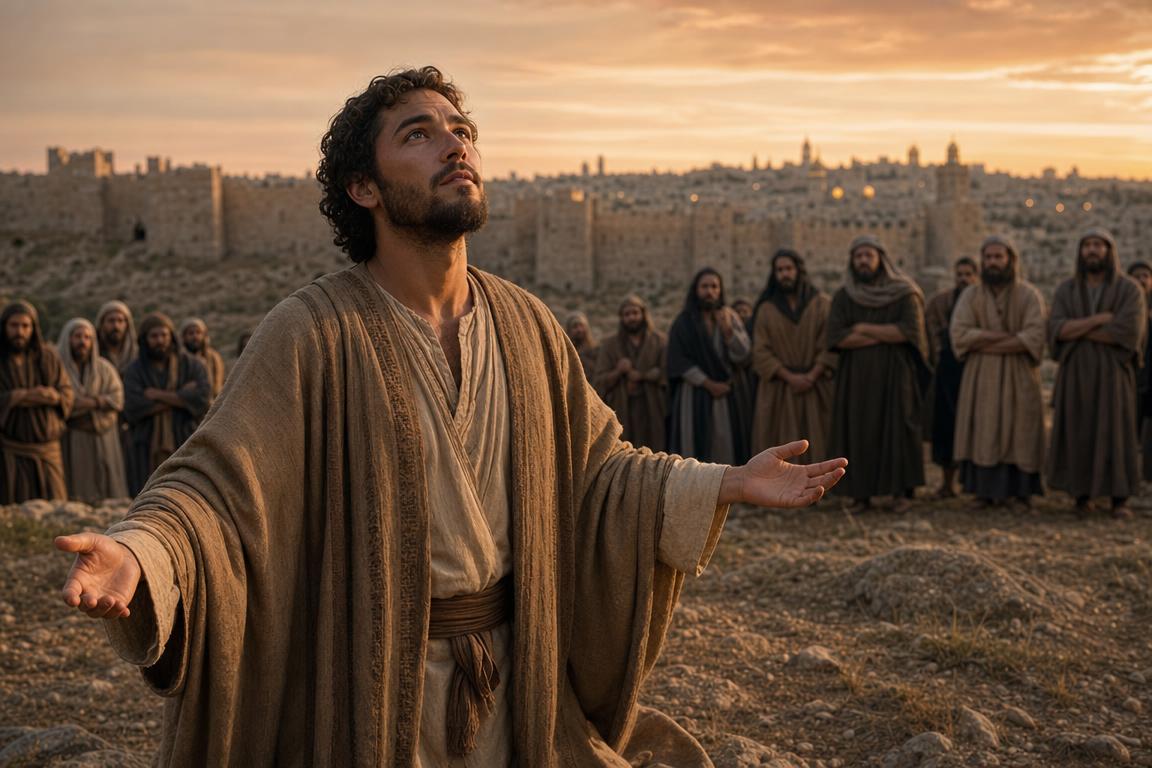
Acts 7:54-56 says the council was enraged, but Stephen, full of the Holy Spirit, looked into heaven and saw the glory of God and Jesus standing at God's right hand. When he spoke about that vision, the crowd cried out, rushed together, and drove him out of the city (Acts 7:57-58).
Then they stoned him. Acts 7:58 also introduces a young man named Saul, at whose feet the witnesses laid down their garments. Stephen's final prayers give the scene its deepest weight. In Acts 7:59 he says, "Lord Jesus, receive my spirit," and in Acts 7:60 he cries out, "Lord, do not hold this sin against them."
So if someone asks whether Stephen saw Jesus before he died, the Bible's answer is yes. Acts presents that vision as part of Stephen's final witness and one reason his story remains so striking.
Why does Stephen matter in the Bible?
Stephen matters because Acts presents him as more than a man who died bravely. He is remembered as the first Christian martyr after the resurrection, and his death becomes a hinge point in the story of the early church.
Saul approved Stephen's death, and a great persecution broke out in Jerusalem immediately afterward. Acts 8:1-3 shows that this persecution scattered believers beyond the city even as Saul was ravaging the church, entering house after house, and dragging off men and women to prison.
Stephen also matters because of the way he died. He spoke truth clearly, kept his eyes on Jesus, and prayed with mercy for the people killing him. That Christlike forgiveness is one reason his witness still carries spiritual weight for readers today.
Later in Acts, the man who approved Stephen's death becomes Paul, one of the central figures in the spread of the gospel. Stephen is also a strong picture of Christian discipleship under pressure: humble service, courageous witness, and grace without bitterness.
Key Bible passages about Stephen
If you want to study Stephen more closely, start with these passages:
- Acts 6:1-7 - Stephen is chosen among the Seven to help serve the church.
- Acts 6:8-15 - Stephen performs signs and wonders and faces public accusations.
- Acts 7:54-60 - Stephen sees Jesus, is stoned, and prays for his killers.
- Acts 8:1-3 - Saul approves Stephen's death, and persecution spreads through Jerusalem.
A short prayer inspired by Stephen
Lord, give me the kind of faith You gave Stephen. Make me faithful in quiet service and courageous when it is time to speak the truth. Guard my heart from fear, anger, and bitterness. When I am under pressure, help me keep my eyes on Jesus and respond with grace. Teach me to forgive as Stephen forgave and to trust You even when obedience is costly. In Jesus' name, amen.
If you are asking God for courage and clarity in a hard season, spend time with our prayers for guidance. And if Stephen's final words stir your heart, our prayers for forgiveness are a fitting next step too.
Frequently asked questions
Was Stephen a disciple of Jesus?
Yes, Stephen was a disciple in the broad sense that he was a follower of Jesus and part of the early church. Acts 6:5 presents him as a mature believer, full of faith and the Holy Spirit, not as a casual bystander.
Was Stephen one of the twelve apostles?
No. Acts introduces Stephen as one of the seven men chosen to help serve the church in Acts 6, not as one of the Twelve apostles.
Was Stephen a deacon?
Many Christians describe Stephen as an early deacon because of the service role he was given in Acts 6:1-6. That is reasonable shorthand, but Acts itself focuses more on Stephen's character and his appointed service than on giving him that exact title.
Who killed Stephen in the Bible?
Stephen was killed by a crowd that stoned him after his speech before the council. Acts 7:58 and Acts 8:1 also note that Saul approved what happened.
Did Stephen really see Jesus before he died?
According to Acts 7:55-56, yes. Stephen said he saw the heavens opened and Jesus standing at the right hand of God just before he was killed.

