
Sibling Rivalry: Causes and How to Handle It
Sibling rivalry is the jealousy, competition, and conflict that can grow between brothers and sisters. It often shows up around attention, fairness, personality differences, and changing needs at home. In that sense, sibling rivalry is common. Many children argue, compete, and irritate each other at different stages of family life.
But common does not mean harmless. Some sibling conflict is part of learning how to share, apologize, negotiate, and make peace. Other patterns can turn sharp, fearful, or deeply discouraging. Christian parents do not have to panic every time their children clash, but they also should not excuse cruelty, constant comparison, or one-sided mistreatment. The goal is not just a quieter house. The goal is a home where children learn truth, gentleness, fairness, and repair.
If you want a companion set of Scriptures for this topic, these Bible verses about siblings fighting can be a helpful follow-up after this guide.
Why sibling rivalry happens
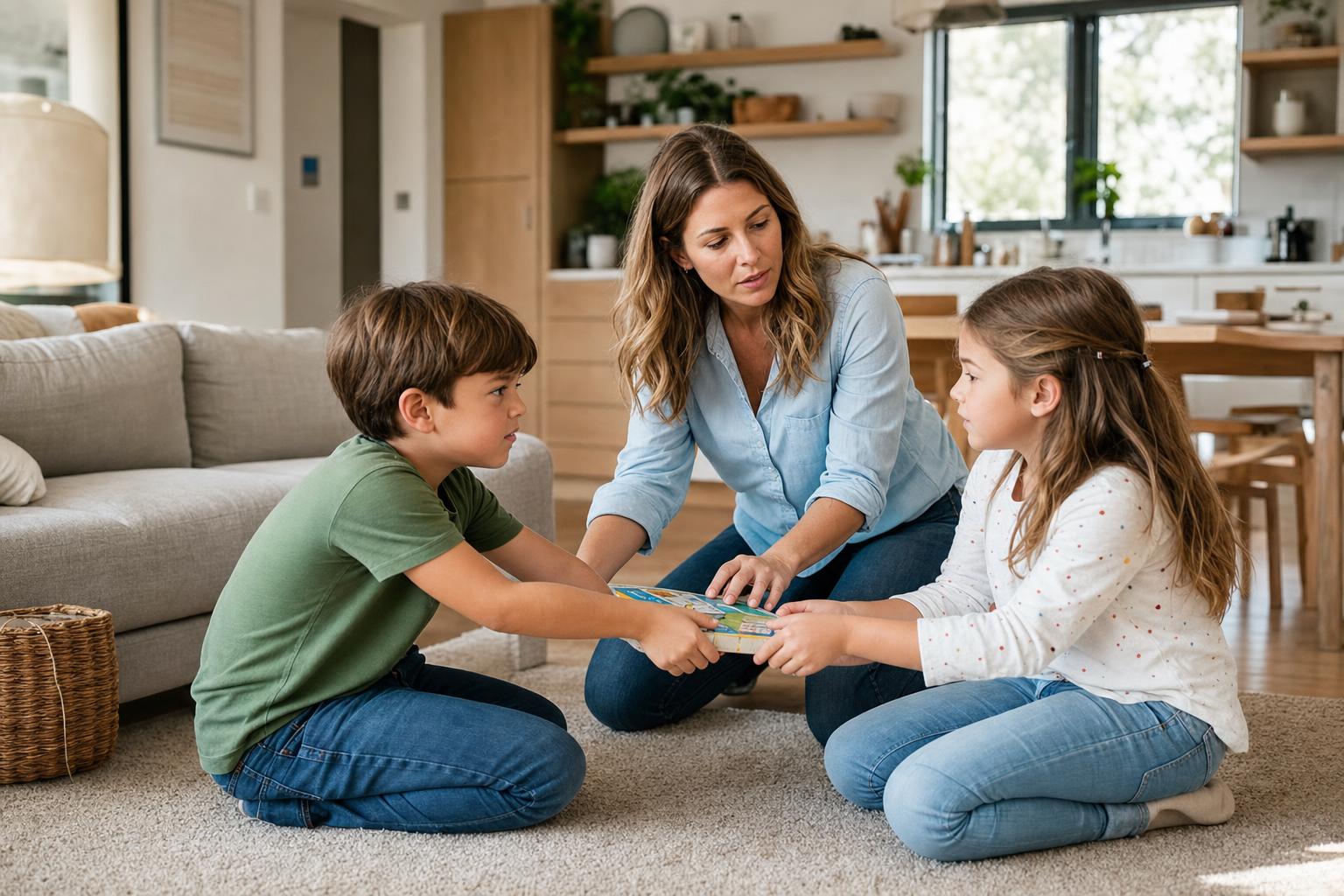
Sibling rivalry usually grows out of a mix of ordinary family pressures rather than one single cause. Children compete for time, attention, approval, space, toys, privileges, and identity. Even in loving homes, siblings notice who gets praised, who gets corrected, who gets help first, and who seems to have the easier path.
That does not always mean parents are doing something wrong. It means children are still learning how to live with another person's needs and differences. One child may be sensitive and rule-oriented, while another is loud, impulsive, or highly social. One may need a lot of reassurance. Another may want freedom. The friction between those differences can easily become rivalry.
Development matters too. A toddler may fight over objects and territory. An older child may react more to fairness, respect, or comparison. A close age gap can intensify conflict because siblings want many of the same things at the same time. In some families, rivalry gets worse when one child has special needs, a major illness, or another circumstance that naturally requires extra parental attention.
A new baby can also bring sibling rivalry to the surface. An older child may love the baby and still feel jealous, displaced, or suddenly less important. That can show up as whining, regression, clinginess, or hostility. In those moments, the real issue is often not simple meanness. It is insecurity.
Does age make sibling rivalry worse?
There is no single age when sibling rivalry is always the worst, but many parents feel it most intensely when children are young, close in age, tired, or adjusting to a major change. The wiser question is not, "What exact age is the problem?" but, "What patterns are making this season harder right now?" When parents identify those patterns, they can respond more helpfully.
What is normal sibling rivalry and what is unhealthy?
Some sibling conflict is normal. Children will sometimes argue over toys, interrupt each other, complain about fairness, or get frustrated when they both want the same thing. Those moments can teach patience, empathy, compromise, and self-control when parents guide them well.
Normal rivalry usually stays within limits. The conflict may be annoying, but it is not built on fear or domination. Both children still have a voice. The problem is usually about a specific disagreement, and there is a real chance of repair afterward.
Unhealthy sibling rivalry looks different. It becomes more concerning when one child is regularly humiliated, intimidated, cornered, or physically hurt. It is more than ordinary rivalry when one child seems afraid of the other, when the pattern is one-sided, or when mockery and cruelty become part of the normal tone of the relationship.
Watch for signs like these:
- one child regularly controlling or overpowering the other
- repeated name-calling, shaming, or threats
- physical aggression that is more than a brief scuffle
- a child who seems fearful, withdrawn, or hopeless around a sibling
- conflict that keeps escalating even after repeated guidance and consequences
If that describes your home, do not tell yourself it is "just siblings being siblings." Step in more firmly. If the pattern feels beyond what you can safely manage, seek help from a pediatrician, counselor, pastor, or another trusted professional who takes family conflict seriously.
How should parents respond in the moment?
When sibling conflict flares up, many parents swing between two extremes: over-refereeing every detail or ignoring too much for too long. A stronger response sits in the middle.
First, stop harm. If children are hitting, threatening, or spiraling, separate them long enough for everyone to calm down. Peace is not built by making children solve a problem while they are still fully flooded with anger.
Second, do not try to investigate every tiny detail like a courtroom. In many sibling fights, both children are contributing something unhelpful. The first goal is not to produce a perfect verdict. The first goal is to restore safety and self-control.
Third, coach better words. Help children move from accusation to honesty. Instead of "She's so annoying," coach language like, "I felt upset when you grabbed that," or, "I wanted a turn too." That kind of coaching is slow work, but it gives children tools they can reuse.
Fourth, require repair. If one child mocked, hit, lied, or damaged trust, do not stop at "Say sorry." Help them name what they did, acknowledge the hurt, and make a real repair where possible. Christian parents should care about apology, but also about repentance and changed behavior.
Finally, if disrespect has become a pattern, hold a family conversation outside the heat of the moment. Set clear house rules about name-calling, physical aggression, mocking, and revenge. Children should know in advance what behavior crosses the line and what consequences will follow.
If staying calm is hard in the moment, it can help to pray first for patience and wisdom before trying to correct anyone else.
How can parents reduce sibling rivalry over time?
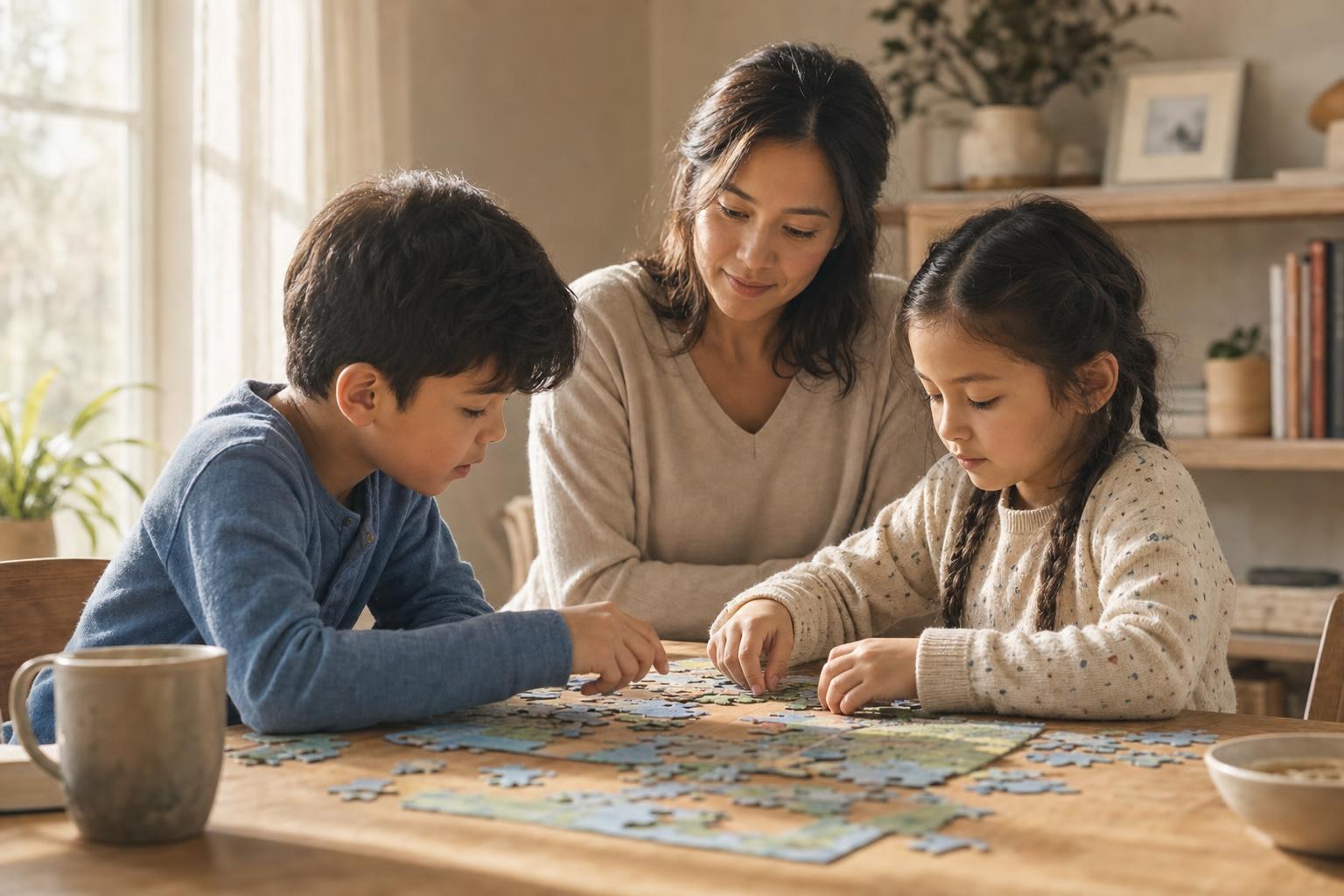
In-the-moment conflict matters, but long-term habits matter even more. Rivalry often softens when the atmosphere of the home changes.
One of the most helpful habits is giving each child regular one-on-one attention. Children who feel secure in your love usually have less reason to fight for proof that they matter. This attention does not have to be elaborate. Sometimes ten undistracted minutes says more than a long lecture after a fight.
Another important habit is refusing comparison. Parents can accidentally inflame rivalry with sentences like, "Why can't you be more like your brother?" or, "Your sister never acts like this." Comparison may feel efficient in the moment, but it often plants resentment deep in the relationship.
It also helps to notice predictable pressure points. Rivalry often gets worse when children are tired, hungry, overstimulated, or rushed. Some conflict can be reduced simply by slowing transitions, rotating turns more clearly, and avoiding avoidable competition.
Teach children to honor each other's differences too. Not every child needs to shine the same way. One may be bold and verbal, another steady and quiet. One may lead easily, another may comfort well. When parents celebrate different gifts instead of ranking children against each other, rivalry loses some of its fuel.
Over time, families should also build habits of repair. That includes apologizing honestly, forgiving sincerely, and revisiting patterns instead of pretending yesterday's explosion never happened. If you need help leading your home toward calmer relationships, these prayers for family peace, forgiveness, and reconciliation fit naturally with this work.
What can Christian parents learn from the Bible about sibling rivalry?
The Bible does not pretend sibling conflict is rare. In fact, some of Scripture's most painful family stories are full of jealousy, favoritism, and anger between brothers and sisters.
Cain and Abel show how quickly jealousy can turn deadly when sin is left unchecked. Jacob and Esau show how rivalry hardens when deception and family favoritism get involved. Joseph and his brothers show how deeply resentment can grow when one child is openly favored over the others. These stories are not there to make parents hopeless. They are there to warn us not to play with envy, comparison, or partiality in the home.
That warning matters for parents. Children notice favoritism quickly, even when adults think they are hiding it. A Christian response to sibling rivalry must include fairness. It must include refusing to provoke children, refusing to weaponize comparison, and refusing to excuse cruel speech.
At the same time, the Bible also points families toward a better way. Christian parents are called to cultivate gentleness, truthful speech, repentance, forgiveness, and peace. Proverbs 15:1 reminds readers that a soft answer turns away wrath. Ephesians 4:29-32 calls for words that give grace and for kindness and forgiveness. Ephesians 6:4 warns parents not to provoke their children. Those are not abstract ideals. They are deeply practical habits for a tense home.
There are also hopeful sibling pictures in Scripture. Miriam, Aaron, and Moses remind readers that siblings can share a calling and serve together. Psalm 133 celebrates how good and pleasant it is when brothers dwell in unity. Christian parents can hold that vision in front of their children: not just less fighting, but deeper love.
If you want extra Scripture support for that kind of home, these Bible verses about unity and prayers for parents can help.
Can sibling rivalry continue into adulthood?
Yes, it can. Some adult siblings still compete over approval, success, attention, money, caregiving roles, or old family labels. Childhood patterns do not always disappear just because everyone grew older.
The same core issues often stay underneath the surface: jealousy, unresolved hurt, comparison, favoritism, and poor repair. In that sense, adult sibling rivalry is not a totally different problem. It is often the older version of the same wounds.
That is why the same Christian virtues still matter later in life. Humility, honesty, forgiveness, gentleness, and clear boundaries are not only for households with young children. They matter for grown siblings too.
A short prayer for peace between siblings
Lord, bring peace where sibling rivalry has created tension, hurt, and resentment. Help children and parents speak with gentleness instead of sharpness, fairness instead of favoritism, and wisdom instead of reaction. Teach siblings to tell the truth, to ask forgiveness, and to make peace quickly. Heal old patterns that keep repeating in the home, and let love grow stronger than jealousy. Amen.

