
50+ Bible Verses About Questioning Everything
Bible verses about questioning everything do not teach a life of cynical suspicion. Scripture teaches something better: test what you hear, seek God's wisdom, bring honest questions to Him, and keep walking in faith while you search for truth.
If you came here looking for one clear biblical answer, start with 1 Thessalonians 5:21-22: "Test all things; hold fast what is good." The Bible does not shame sincere questions. It warns against gullibility, calls believers to discernment, and shows that even seasons of doubt and pain can become places where God teaches, steadies, and grows us. If you want a practical way to study these passages slowly, use these Bible study methods as you read.
What Does the Bible Say About Questioning Everything?
The Bible never praises unbelief for its own sake, but it also never asks people to shut off their minds. Instead, it calls God's people to examine what they hear, ask for wisdom, search the Scriptures, and bring their fears and confusion into God's presence.
That means questioning can move in two very different directions. One path is proud skepticism that refuses to trust anything God says. The other is humble discernment that wants to know what is true. The verses below are meant to help you choose the second path: testing, seeking, asking, trusting, and finding your footing again.
If You Need a Short Answer Right Now
- The Bible does not tell you to believe everything blindly. It tells you to test what you hear and hold on to what is good.
- It is not wrong to bring honest questions to God. Many faithful people in Scripture did exactly that.
- Doubt should be taken to God, not hidden from Him. Jesus meets weak faith with truth and mercy.
- Wisdom matters. God invites you to seek understanding instead of living in confusion.
A Simple Way to Think About Biblical Questioning
- Discernment - test teachings, voices, and spiritual claims.
- Honesty - bring your real questions into prayer instead of pretending.
- Faith - keep moving toward God even when you do not see everything clearly.
- Wisdom - let Scripture shape your conclusions instead of fear or noise.
A Short Prayer for Seasons of Questioning
Lord, when my mind feels crowded and my heart feels uncertain, keep me from drifting into fear, pride, or confusion. Teach me to test what I hear, search Your Word carefully, and ask You for wisdom with an honest heart. Meet me in my doubts, steady me in my pain, and lead me into what is true. In Jesus' name, amen.
What These Bible Verses Help With
- Testing whether a message, teaching, or idea is sound.
- Bringing doubts and hard questions to God honestly.
- Finding Scriptures for seasons of confusion, suffering, or spiritual fatigue.
- Asking God for wisdom when you do not know what to trust.
- Moving from fear and uncertainty toward faith-filled discernment.
50 Bible Verses About Questioning Everything
10 Bible Verses on Testing Everything With Discernment
These verses show that biblical questioning is not aimless suspicion. It is wise, Scripture-shaped discernment. If you want a companion list for this theme, read these Bible verses about wisdom and pray this prayer for wisdom as you study.
1) 1 Thessalonians 5:21-22
Test all things; hold fast what is good. Abstain from every form of evil.
Meaning: This is the clearest verse for anyone asking whether the Bible allows questioning. God does not ask you to accept every voice untested. He tells you to examine what is in front of you carefully, keep what is truly good, and turn away from what is false or corrupt.
2) 1 John 4:1
Beloved, do not believe every spirit, but test the spirits, whether they are of God; because many false prophets have gone out into the world.
Meaning: Spiritual confidence is not the same thing as spiritual carelessness. This verse reminds believers that not every impressive claim comes from God, so discernment is an act of obedience, not distrust.
3) Acts 17:11
These were more fair-minded than those in Thessalonica, in that they received the word with all readiness, and searched the Scriptures daily to find out whether these things were so.
Meaning: The Bereans listened openly, but they also checked what they heard against Scripture. That is a healthy model for questioning everything: humble, eager, and grounded in God's Word rather than personal opinion.
4) James 1:5
If any of you lacks wisdom, let him ask of God, who gives to all liberally and without reproach, and it will be given to him.
Meaning: When you do not know what to think, you do not have to stay stuck in confusion. God welcomes honest requests for wisdom and does not shame you for needing help.
5) Proverbs 18:15
The heart of the prudent acquires knowledge, And the ear of the wise seeks knowledge.
Meaning: Wisdom does not settle for lazy conclusions. A wise person leans in, listens carefully, and keeps learning before deciding what is true.
6) Proverbs 2:6
For the Lord gives wisdom; From His mouth come knowledge and understanding.
Meaning: The deepest answers do not finally come from noise, trends, or debate. They come from God, who gives real understanding to people who seek Him.
7) Matthew 7:7
Ask, and it will be given to you; seek, and you will find; knock, and it will be opened to you.
Meaning: Jesus teaches active pursuit, not passive confusion. Questioning can be a faithful act when it becomes a serious search for what God wants to show you.
8) Proverbs 3:5-6
Trust in the Lord with all your heart, And lean not on your own understanding; In all your ways acknowledge Him, And He shall direct your paths.
Meaning: Discernment is not self-reliance dressed up as wisdom. This verse keeps questioning from becoming self-trust by reminding you to submit your thinking to God.
9) 1 Peter 3:15
But sanctify the Lord God in your hearts, and always be ready to give a defense to everyone who asks you a reason for the hope that is in you, with meekness and fear.
Meaning: God wants believers to know why they believe what they believe. Thoughtful questioning can strengthen your reasons for hope and help you speak about them with humility.
10) Jeremiah 29:13
And you will seek Me and find Me, when you search for Me with all your heart.
Meaning: The Lord is not hiding from sincere seekers. Questions asked with a wholehearted desire for God can become part of the path that brings you closer to Him.
10 Bible Verses on Honest Questions in Faith
The Bible includes many moments where faithful people asked real questions. These verses show that honest questions do not automatically mean rebellion. When your questions need firmer footing, spend time with these Bible verses about faith as well.
11) Hebrews 11:1
Now faith is the substance of things hoped for, the evidence of things not seen.
Meaning: Faith does not mean seeing everything clearly before you move. It means trusting God enough to keep walking, even when some answers are still out of sight.
12) Luke 1:34
Then Mary said to the angel, "How can this be, since I do not know a man?"
Meaning: Mary's question was not cold unbelief. It was a reverent attempt to understand what God had just told her. Questions can live inside a posture of surrender.
13) Jeremiah 33:3
Call to Me, and I will answer you, and show you great and mighty things, which you do not know.
Meaning: God invites you to bring what you do not know directly to Him. He is not threatened by your uncertainty and is able to teach you what you cannot discover on your own.
14) Psalm 139:23-24
Search me, O God, and know my heart; Try me, and know my anxieties; And see if there is any wicked way in me, And lead me in the way everlasting.
Meaning: Some of the most important questions are the ones we let God ask of us. This prayer opens the heart to examination, correction, and gentle leadership.
15) John 20:27
Then He said to Thomas, "Reach your finger here, and look at My hands; and reach your hand here, and put it into My side. Do not be unbelieving, but believing."
Meaning: Jesus does not abandon Thomas in his struggle. He meets him with truth strong enough to move him from doubt toward belief.
16) John 6:68-69
Lord, to whom shall we go? You have the words of eternal life. Also we have come to believe and know that You are the Christ, the Son of the living God.
Meaning: Questions do not always disappear quickly, but Peter knew where truth was found. This verse reminds you to stay near Jesus even when the road feels hard to understand.
17) Proverbs 20:5
Counsel in the heart of man is like deep water, But a man of understanding will draw it out.
Meaning: Not every answer comes instantly. Sometimes wisdom requires patient questioning that helps bring what is hidden to the surface.
18) Psalm 77:1-3
I cried out to God with my voice--To God with my voice; And He gave ear to me. In the day of my trouble I sought the Lord; My hand was stretched out in the night without ceasing; My soul refused to be comforted. I remembered God, and was troubled; I complained, and my spirit was overwhelmed.
Meaning: This psalm gives language for restless nights when your questions feel heavier than your answers. God hears people who pray from that place too.
19) Job 23:3-5
Oh, that I knew where I might find Him, That I might come to His seat! I would present my case before Him, And fill my mouth with arguments. I would know the words which He would answer me, And understand what He would say to me.
Meaning: Job's longing shows how deeply a suffering believer can crave an explanation from God. Honest questioning often grows out of a desperate desire to understand His ways more clearly.
20) Isaiah 1:18
Come now, and let us reason together, Says the Lord, Though your sins are like scarlet, They shall be as white as snow; Though they are red like crimson, They shall be as wool.
Meaning: God invites people to come near and reckon honestly with what is true. He is not distant from honest thought; He calls people into truth and cleansing.
10 Bible Verses on Doubt, Weak Faith, and Uncertainty
These verses are for moments when your questions begin to shake your footing. They do not excuse unbelief, but they do show that weak faith can still be brought to God. If fear is part of what you are carrying, these Bible verses about trust can help steady you.
21) Matthew 14:31
And immediately Jesus stretched out His hand and caught him, and said to him, "O you of little faith, why did you doubt?"
Meaning: Jesus addresses Peter's doubt, but He also catches him. That balance matters. Christ does not leave wavering people to sink without help.
22) Mark 9:24
Lord, I believe; help my unbelief!
Meaning: This may be one of the most honest prayers in the Bible. It teaches you that faith and struggle can exist in the same sentence, and both can be brought to Jesus.
23) James 1:6
But let him ask in faith, with no doubting, for he who doubts is like a wave of the sea driven and tossed by the wind.
Meaning: Doubt makes a person unstable when it becomes a refusal to rest in God at all. James pushes believers toward a settled dependence on God rather than constant spiritual drift.
24) Jude 1:22
And on some have compassion, making a distinction;
Meaning: This verse reminds the church to treat strugglers with mercy. Questions and doubts should be met with truth, but also with compassion.
25) Luke 24:38
And He said to them, "Why are you troubled? And why do doubts arise in your hearts?"
Meaning: Jesus asks this question not because He is unaware of their fear, but because He wants to move them from panic toward peace. He knows how doubt can rise in the heart and speaks directly to it.
26) Matthew 28:17
When they saw Him, they worshiped Him; but some doubted.
Meaning: Even after the resurrection, some disciples still wrestled internally. This verse shows that doubt can appear in the middle of worship, and Jesus still continues His mission with His people.
27) John 20:25
Unless I see in His hands the print of the nails, and put my finger into the print of the nails, and put my hand into His side, I will not believe.
Meaning: Thomas voices the kind of demand people often make when they feel wounded or confused. His story warns against stubborn unbelief, but it also shows that Jesus is able to answer a doubting heart personally.
28) Psalm 42:9-11
I will say to God my Rock, "Why have You forgotten me? Why do I go mourning because of the oppression of the enemy?" As with a breaking of my bones, my enemies reproach me, While they say to me all day long, "Where is your God?" Why are you cast down, O my soul? And why are you disquieted within me? Hope in God; For I shall yet praise Him, The help of my countenance and my God.
Meaning: This passage shows a believer speaking honestly to his own soul while refusing to let despair have the last word. It is a good pattern for seasons when questions and hope are fighting in the same heart.
29) Psalm 73:16-17
When I thought how to understand this, It was too painful for me--Until I went into the sanctuary of God; Then I understood their end.
Meaning: Some questions stay painful until you bring them into God's presence. Clarity often comes not through spiraling harder, but through re-centering yourself before the Lord.
30) 2 Corinthians 5:7
For we walk by faith, not by sight.
Meaning: Not every question will be answered at once. This verse calls you to keep moving with God even when visible certainty has not yet arrived.
10 Bible Verses on Questioning God in Suffering and Delay
Some questions rise because life hurts. These verses show that Scripture makes room for lament, grief, and confusion without pretending pain is simple.
31) Job 30:20
I cry out to You, but You do not answer me; I stand up, and You regard me.
Meaning: Job gives voice to the ache of praying and feeling unheard. This verse matters because it tells suffering people that God already knows how raw their questions can sound.
32) Psalm 10:1
Why do You stand afar off, O Lord? Why do You hide in times of trouble?
Meaning: There are moments when God can seem distant to a hurting person. Scripture does not erase that experience; it gives it words and brings it into prayer.
33) Psalm 22:1
My God, My God, why have You forsaken Me?
Meaning: This verse reminds hurting believers that the language of deep abandonment appears in Scripture itself. God is not shocked by the kind of cry pain can pull out of you.
34) Habakkuk 1:2-3
O Lord, how long shall I cry, And You will not hear? Even cry out to You, "Violence!" And You will not save. Why do You show me iniquity, And cause me to see trouble?
Meaning: Habakkuk questions the delay of God's justice, not because he has stopped caring about God, but because he still expects God to be righteous. Faithful questioning often begins there.
35) Jeremiah 12:1
Righteous are You, O Lord, when I plead with You; Yet let me talk with You about Your judgments. Why does the way of the wicked prosper? Why are those happy who deal so treacherously?
Meaning: Jeremiah starts by honoring God's righteousness, then names the question that burdens him. This is a wise model for hard questions: reverence first, honesty second, silence never forced.
36) Lamentations 3:19-24
Remember my affliction and roaming, The wormwood and the gall. My soul still remembers And sinks within me. This I recall to my mind, Therefore I have hope. Through the Lord's mercies we are not consumed, Because His compassions fail not. They are new every morning; Great is Your faithfulness. "The Lord is my portion," says my soul, "Therefore I hope in Him!"
Meaning: Lament does not deny pain. It remembers it fully, then deliberately turns toward God's mercies. That movement is often what keeps questioning from collapsing into despair.
37) 2 Corinthians 1:8-9
For we do not want you to be ignorant, brethren, of our trouble which came to us in Asia: that we were burdened beyond measure, above strength, so that we despaired even of life. Yes, we had the sentence of death in ourselves, that we should not trust in ourselves but in God who raises the dead.
Meaning: Paul shows that intense pressure can leave even faithful people feeling overwhelmed. Yet suffering can also teach a deeper dependence on the God who raises the dead.
38) Romans 8:18
For I consider that the sufferings of this present time are not worthy to be compared with the glory which shall be revealed in us.
Meaning: This verse does not belittle present pain. It gives suffering people a future weight of hope strong enough to keep them from giving up.
39) 1 Peter 5:10
But may the God of all grace, who called us to His eternal glory by Christ Jesus, after you have suffered a while, perfect, establish, strengthen, and settle you.
Meaning: Suffering is not the end of the story. God is able to use even a painful season to strengthen and steady the believer who keeps coming to Him.
40) Revelation 21:4
And God will wipe away every tear from their eyes; there shall be no more death, nor sorrow, nor crying. There shall be no more pain, for the former things have passed away.
Meaning: Some questions will only be fully quieted in the world God is making new. This promise gives grieving people a finish line for hope.
10 Bible Verses on Finding Wisdom and Steady Ground
These verses are for the next step after the question. They help you move from confusion toward clarity, obedience, and peace. If you need language for that next step, pray this prayer for guidance while you read.
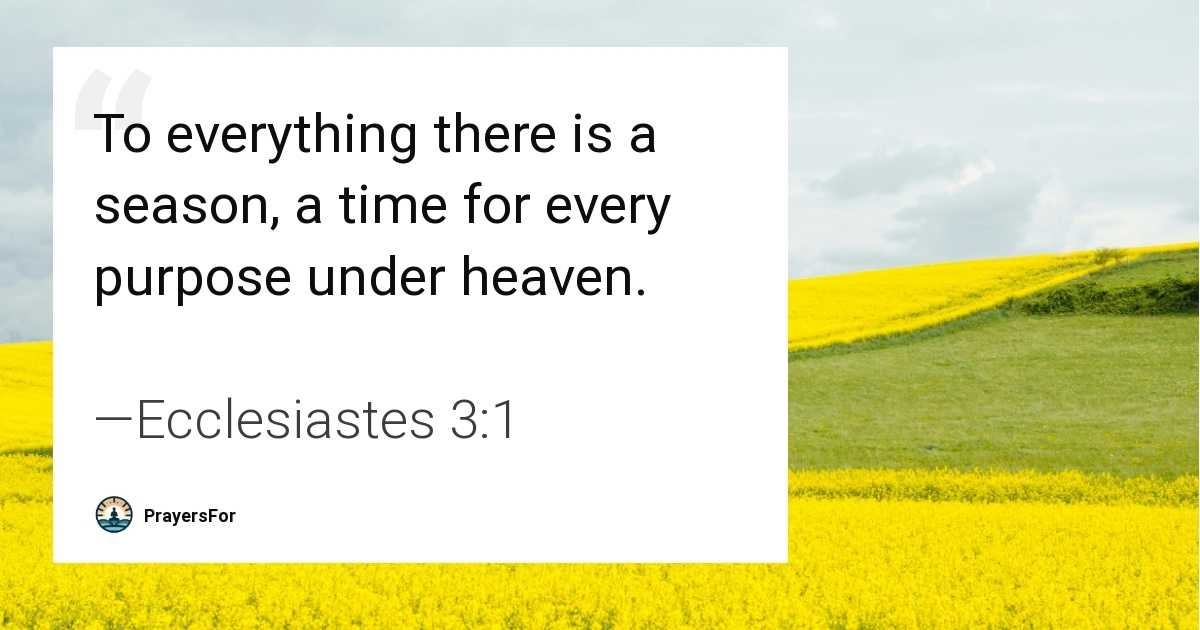
41) Ecclesiastes 3:1
To everything there is a season, A time for every purpose under heaven.
Meaning: Not every confusing season lasts forever. This verse helps you remember that God still holds time, even when your current chapter feels unclear.
42) Ecclesiastes 7:25
I applied my heart to know, To search and seek out wisdom and the reason of things, To know the wickedness of folly, Even of foolishness and madness.
Meaning: Scripture honors the serious search for understanding. There is a godly way to seek the reason of things when that search stays humble before God.
43) Proverbs 4:7
Wisdom is the principal thing; Therefore get wisdom. And in all your getting, get understanding.
Meaning: When you do not know what else to chase, chase wisdom. God values understanding enough to make it a top priority for His people.
44) Colossians 2:3
In whom are hidden all the treasures of wisdom and knowledge.
Meaning: Lasting wisdom is not found in endless speculation. It is found in Christ, who holds what the questioning heart actually needs most.
45) Job 12:13
With Him are wisdom and strength, He has counsel and understanding.
Meaning: When your own insight feels thin, remember that wisdom does not begin in you. Counsel and understanding belong fully to God.
46) Psalm 111:10
The fear of the Lord is the beginning of wisdom; A good understanding have all those who do His commandments. His praise endures forever.
Meaning: Wisdom starts not with mastering every answer, but with revering God rightly. Obedience often brings the kind of understanding that endless analysis cannot.
47) Psalm 119:105
Your word is a lamp to my feet And a light to my path.
Meaning: God often gives enough light for the next faithful step rather than a full map for the entire road. Scripture is meant to guide your next act of obedience.
48) Romans 12:2
And do not be conformed to this world, but be transformed by the renewing of your mind, that you may prove what is that good and acceptable and perfect will of God.
Meaning: Questions are answered more clearly when the mind is being renewed by God rather than shaped by the world's noise. Transformation sharpens discernment.
49) Philippians 4:6-7
Be anxious for nothing, but in everything by prayer and supplication, with thanksgiving, let your requests be made known to God; and the peace of God, which surpasses all understanding, will guard your hearts and minds through Christ Jesus.
Meaning: Some questions need prayer more than panic. God may not answer every concern instantly, but He does promise peace strong enough to guard the heart and mind.
50) Isaiah 55:8-9
"For My thoughts are not your thoughts, Nor are your ways My ways," says the Lord. "For as the heavens are higher than the earth, So are My ways higher than your ways, And My thoughts than your thoughts."
Meaning: This verse humbles the questioning heart in a healthy way. God's wisdom is higher than yours, which means unanswered questions do not prove His absence or failure.
How to Apply These Bible Verses About Questioning Everything
Reading about questioning is meant to move you toward discernment, prayer, and steadier faith. Here are a few practical ways to use these verses this week:
- Start with one anchor passage. If you feel overwhelmed, begin with 1 Thessalonians 5:21-22, Acts 17:11, James 1:5, or Mark 9:24.
- Write down the real question. Naming it clearly often helps you pray more honestly and search Scripture more carefully.
- Test what you are hearing. Compare teachings, advice, and spiritual impressions against the Bible instead of your feelings alone.
- Turn uncertainty into prayer. Ask God for wisdom, guidance, and a willing heart rather than only demanding fast answers.
- Keep taking the next faithful step. Even when every answer is not settled yet, you can still trust, obey, and stay close to Christ.
Frequently Asked Questions
Does the Bible say to question everything?
Not in the sense of constant cynical suspicion. The clearest biblical idea is 1 Thessalonians 5:21-22, which tells believers to test all things, hold fast to what is good, and reject what is evil. The Bible encourages discernment, not blind trust and not proud unbelief.
What Bible verse says to test everything?
1 Thessalonians 5:21-22 is the key verse most people mean: "Test all things; hold fast what is good. Abstain from every form of evil." Acts 17:11 and 1 John 4:1 support the same pattern of careful, Scripture-grounded discernment.
Is it wrong to question God?
It is not wrong to bring honest questions to God with humility and faith. Scripture includes people like Job, Habakkuk, Jeremiah, and the psalmists who spoke openly to God in confusion and pain. The danger is not honest questioning itself, but hardening into pride or refusing to trust God at all.
How can I question faithfully instead of becoming cynical?
Question faithfully by staying close to Scripture, asking God for wisdom, testing what you hear, and bringing your doubts into prayer instead of isolating them. Keep your goal clear: not winning an argument, but knowing what is true and following God more closely.

